Measles Outbreak in Buncombe County Linked to South Carolina Visit, Health Officials Confirm
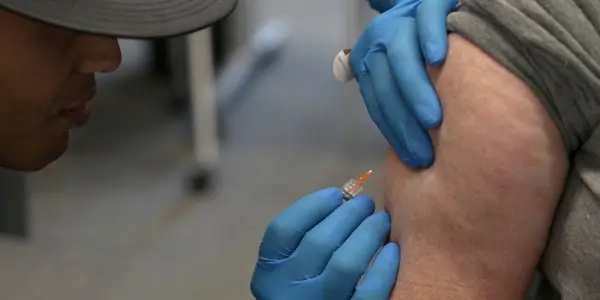
A measles outbreak in Buncombe County has been linked to a visit to South Carolina, where cases are rising. Health officials urge vigilance as monitoring con...
In-depth analysis
Recent discoveries
Recent reports indicate that three siblings in Buncombe County, North Carolina, have contracted measles after exposure during a visit to Spartanburg County, South Carolina, where an outbreak is ongoing. Health officials have noted that the incubation period for measles typically lasts between seven to 21 days, raising concerns about further spread.
Implications for public health
The emergence of measles cases in Buncombe and Polk Counties highlights significant public health implications, particularly regarding vaccination rates. Health authorities stress the importance of immediate vaccination to prevent further outbreaks and safeguard community health.
Who is affected
The ongoing measles outbreak affects various demographics, particularly unvaccinated individuals aged one year and older. Families with young children and those in close contact with the infected siblings are at heightened risk, necessitating immediate public health interventions.
Potential future studies
Future studies may focus on vaccination uptake in regions experiencing outbreaks, assessing public awareness of measles risks, and evaluating the effectiveness of inter-state health collaborations in managing contagious diseases.
Did you know?
How this affects your health
The outbreak highlights the critical role of vaccination in safeguarding public health. Measles is not just a childhood illness; it can lead to severe complications, including pneumonia and encephalitis. Unvaccinated individuals are at higher risk, and communities with low vaccination rates may experience rapid virus spread. Staying informed and proactive about vaccinations is essential for personal and community health.
The scientific surprise
Despite the widespread availability of the MMR vaccine, measles outbreaks have surged, revealing gaps in vaccination coverage. The resurgence challenges assumptions about herd immunity and underscores the necessity of addressing vaccine hesitancy. This unexpected trend prompts a reevaluation of public health strategies to ensure broader acceptance and accessibility of vaccinations.
The doctor and the patient: a personal story
Marcus, 34, from Chicago, recalls the moment he learned about the measles outbreak. His 5-year-old son, Leo, was recently unwell, and the family had planned a trip to visit relatives in North Carolina. As Marcus sat in the doctor's office, anxiety washed over him. The doctor shared the news about the outbreak, and Marcus felt a wave of guilt for not ensuring Leo received his MMR vaccine sooner. 'I thought we were safe,' he said, tears welling in his eyes. The doctor reassured him, emphasizing that it’s never too late to get vaccinated. That day, Marcus made a commitment to not only protect his son but also to educate others about the importance of vaccinations. The weight of that decision was heavy, but it was a step towards safeguarding Leo’s future.

Microscopic Chips Utilize Immune Cells to Target...

Breakthrough Gel Offers Potential to Regrow Tooth...

Navigating Co-Parenting Challenges with AI...

Understanding Muscle Growth: A Comprehensive Guide

Misdiagnosed Fatigue Leads to Late Diagnosis of...

Experts Warn of Potentially Severe Flu Season...

New Experimental Drug Shows Potential in...

Significant Number of CDC Vaccination Databases...

Breakthrough Study Reveals Microscopic...

Evaluating Sweeteners: A Nutritionist's Insight...

Ethiopia Reports Three Fatalities from Marburg...

Gene Editing and Cholesterol: A Potential...

Measles Exposure Alert Issued in Maryland and...

The Unique Characteristics of the Sargasso Sea:...

The Case for a National Leucovorin Registry to...

New Study Questions Efficacy of Omega-3...

Addressing the Testosterone Decline in Men: 15...

UK Launches Largest Prostate Cancer Screening...

Timing of Cancer Treatments May Influence Patient...

Concerns Grow in the U.S. as H3N2 Flu Strain...

New Study Suggests Walking as Few as 3,000 Steps...

Long-Term Melatonin Use Linked to Increased Heart...

Exploring Testosterone Enhancement: Natural...

Florida Doctor's Office Linked to Hepatitis C...

Loneliness Among Young Adults: A Growing Concern...

Understanding Food Spoilage: The Risks of Moldy...

New Research Suggests Increased Melanoma Risk...

Pet Vaccination Skepticism Rises Amid Growing...

Golden Retriever's Hilarious Reaction to Late...

Post-Pandemic Trends: Low Rates of STDs and Flu...

The Surge of Weight-Loss Medications in India: A...

Understanding the Recurrence of Urinary Tract...

Microplastics Linked to Atherosclerosis in Male...

Health Alert Issued in Jalisco Amid Measles...

Study Links Grey Hair to Body's Defense Against...

New Study Challenges Effectiveness of Lecanemab...

Neural Biomarkers of Food Cravings Impacted by...

Frequent Short Walks Outshine Long Morning...

Understanding Insomnia: A Habit That Can Worsen...

New Study on Hormonal Contraceptives and Breast...