Thymus Gland's Role in Cancer Resistance Under Scrutiny
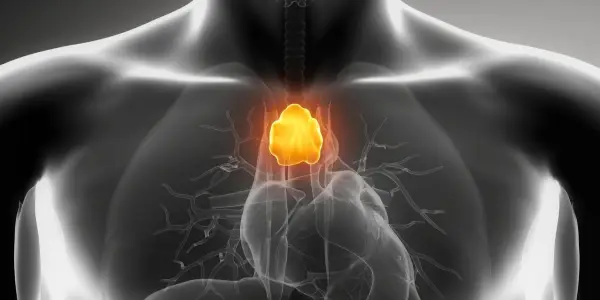
Recent research suggests the thymus gland, often deemed 'useless,' may play a crucial role in cancer prevention and immune health.
In-depth analysis
Recent discoveries
Recent studies have revealed that the thymus gland, once deemed vestigial, may play a crucial role in adult immune function and cancer prevention. Research indicates that individuals who have undergone thymectomy face significantly higher risks of mortality and cancer, suggesting that the thymus is integral to maintaining immune health even in adulthood.
Implications for public health
The findings surrounding thymectomy raise important public health concerns, particularly regarding surgical practices. This research underscores the need for a careful assessment of the risks associated with thymus removal, potentially influencing surgical protocols and patient management.
Who is affected
Patients undergoing cardiac surgeries that involve thymus removal may be particularly affected by these findings. The increased risks of cancer and mortality highlight the importance of monitoring health outcomes for individuals who have had their thymus gland removed, especially in the years following surgery.
Potential future studies
Future research should focus on longitudinal studies to further explore the long-term effects of thymectomy on immune function and cancer risk. Investigating the mechanisms by which thymus removal impacts health could provide critical insights for improving surgical practices and patient care.
Did you know?
How this affects your health
The renewed focus on the thymus gland suggests it may play a crucial role in adult immune health. An intact thymus could potentially bolster your defenses against cancer, as studies show that its removal correlates with higher mortality rates. For individuals considering surgeries that might involve thymectomy, it's vital to discuss these findings with healthcare providers to weigh risks and benefits carefully.
The scientific surprise
The significant link between thymus removal and increased cancer risk challenges long-held beliefs about the gland's relevance in adulthood. The research not only highlights the importance of the thymus in immune function but also opens new questions about how the immune system adapts post-surgery, prompting a reevaluation of surgical practices involving this organ.
The doctor and the patient: a personal story
Marcus, 34, from Chicago, had his thymus removed during a routine heart surgery. Initially, he felt relieved to have resolved his cardiac issues, but within months, he began experiencing unusual fatigue and frequent infections. After a cancer diagnosis shocked him, he learned about the thymus's role in immune health. Now, Marcus advocates for awareness around thymectomy risks and encourages others to ask their doctors about the implications of such surgeries, sharing his journey through treatment and recovery.
Expert Commentary

Ten Hobbies to Enrich Your Retirement Years

The Items Women Turn to When Facing Emotional...

Addressing the Testosterone Decline in Men: 15...
Confirmed Tuberculosis Case Emerges at Aegis...

Food Preservatives Linked to Increased Cancer and...

New Government Initiative Aims to Map Human...

Significant Number of CDC Vaccination Databases...
Pet Vaccination Skepticism Rises Amid Growing...

Recent Study Raises Concerns About Fruits and...
How Your Dental Health Can Reflect Broader Health...

Understanding Insomnia: A Habit That Can Worsen...

CDC Revises Hepatitis B Vaccine Guidance for...

Davis County Reports First Measles Case Amid...
Study Links GLP-1 Medications Such as Ozempic to...
New Experimental Drug Shows Potential in...

Viagra Shows Potential to Address Genetic Hearing...


Exploring the Health Benefits of Black Tea: Six...

Engaging in Creative Activities Linked to Younger...

Experts Warn of Potentially Severe Flu Season...
Measles Outbreak in Buncombe County Linked to...

Prisma Health Implements Temporary Restrictions...

Transformed Puppy Overcomes Severe Skin Condition...

The Challenge of Accessing Levodopa: A...
Rising H3N2 Flu Variant Sparks Concerns Among...

Daily Walking Linked to Reduced Alzheimer’s Risk,...

Research Reveals How Ozempic Affects Alcohol...

Navigating Co-Parenting Challenges with AI...

Breakthrough Gel Offers Potential to Regrow Tooth...

Struggling with a Rare Disease, 25-Year-Old Woman...


Emerging H3N2 Variant Raises Concerns for Winter...

Golden Retriever's Hilarious Reaction to Late...

Frequent Short Walks Outshine Long Morning...

Evaluating Sweeteners: A Nutritionist's Insight...

Fit 31-Year-Old Shares Bowel Cancer Journey,...

Microplastics Linked to Atherosclerosis in Male...

Essential Nutrients for Brain Longevity: Insights...

FDA Removes Black Box Warnings on Hormone...

Study Links COVID-19 mRNA Vaccine to Extended...