Elevating Sox9 Protein Revives Aging Brain Cells in Mice, Paving Path for Alzheimer's Treatments

Research from Baylor College of Medicine unveils potential therapies targeting protein aggregates linked to Alzheimer's disease, showing promising results in mouse models.
In-depth analysis
Recent discoveries
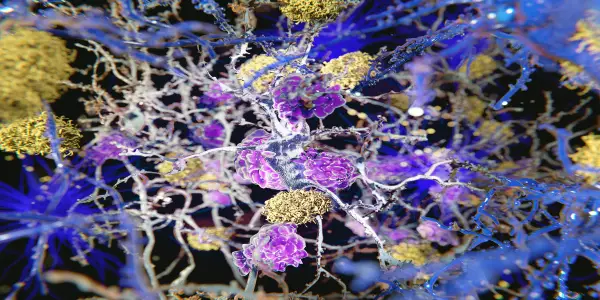
A groundbreaking study from Baylor College of Medicine has identified the Sox9 protein's potential in treating Alzheimer's disease. By increasing Sox9 levels in mice, researchers enhanced astrocyte activity, leading to improved removal of harmful amyloid plaques and better memory performance. This finding opens new avenues for therapeutic interventions targeting protein aggregates in neurodegenerative conditions.
Implications for public health
These findings suggest that enhancing astrocyte function through Sox9 may offer a novel approach to mitigating cognitive decline in Alzheimer's patients, potentially leading to improved public health outcomes and quality of life.
Who is affected
Individuals suffering from Alzheimer's disease, particularly those in the early stages of cognitive decline, stand to benefit from these advancements. The research also highlights the broader implications for aging populations who may experience neurodegenerative changes.
Potential future studies
Future research could explore the long-term effects of Sox9 elevation on cognitive function in larger, diverse populations. Investigating the protein's role in other neurodegenerative diseases may also yield valuable insights into broader treatment strategies.
Did you know?
How this affects your health
Understanding the role of Sox9 in Alzheimer's could reshape future treatments, potentially leading to therapies that not only target the disease but also enhance brain cell function. For individuals at risk or already facing cognitive decline, this research brings hope that strategies focused on astrocytes may slow deterioration, improving daily functioning and quality of life.
The scientific surprise
The revelation that increasing Sox9 levels can rejuvenate astrocytes marks a shift in Alzheimer's research. Rather than solely focusing on neurons or amyloid plaques, scientists are now recognizing the pivotal role of supporting brain cells. This unexpected angle opens new avenues for therapeutic interventions that could fundamentally alter how we approach cognitive decline.
The doctor and the patient: a personal story
Marcus, 34, from Chicago, watched his grandmother slowly fade away to Alzheimer's, leaving him with haunting memories of a vibrant woman turned distant. Recently diagnosed with mild cognitive impairment himself, Marcus felt a wave of despair. However, after learning about the Baylor study on Sox9, he found a flicker of hope. Inspired by the potential for new therapies, he committed to staying engaged, participating in cognitive training, and supporting research efforts. This newfound purpose not only helps him cope with his diagnosis but also honors his grandmother's memory, fueling his determination to fight against the disease.

Study Reveals Misinformation About Sunscreen...

Breakthrough Study Reveals Potential Pathway to...

Newly Discovered Antibiotic Shows Potential...

Timing of Cancer Treatments May Influence Patient...

Ethiopia Reports First Cases of Marburg Virus...

Genetic Mutations in Sperm Increase with Age,...

Study Links Grey Hair to Body's Defense Against...

Potential Risks of Apple Cider Vinegar: Experts...

Food Preservatives Linked to Increased Cancer and...

Golden Retriever's Hilarious Reaction to Late...
Four Everyday Beverages to Support Arterial...

Breakthrough Gel Offers Potential to Regrow Tooth...

Concerns Rise as ACIP Meeting Set to Revisit...

Recent Study Raises Concerns About Fruits and...

Pfizer's mRNA Flu Vaccine Shows Superiority Over...

Neural Biomarkers of Food Cravings Impacted by...

Evaluating Sweeteners: A Nutritionist's Insight...

Loneliness Among Young Adults: A Growing Concern...

Alzheimer's Disease May Originate from...

Understanding Food Spoilage: The Risks of Moldy...

Daily Walking Linked to Reduced Alzheimer’s Risk,...


Navigating Co-Parenting Challenges with AI...

New Study on Hormonal Contraceptives and Breast...

Understanding the Recurrence of Urinary Tract...

New Government Initiative Aims to Map Human...

New Study Questions Efficacy of Omega-3...

How Diet Influences Body Odor and Attractiveness

Long-Term Melatonin Use Linked to Increased Heart...

Emerging H3N2 Variant Raises Concerns for Winter...

Prisma Health Implements Temporary Restrictions...

The Challenge of Accessing Levodopa: A...

Man's Experience with GLP-1 Medication Ends in...

Essential Nutrients for Brain Longevity: Insights...

Addressing the Testosterone Decline in Men: 15...

Concerns Grow in the U.S. as H3N2 Flu Strain...

Wilson Middle School Temporarily Shuts Down Due...

Breakthrough Study Reveals Microscopic...

Ten Hobbies to Enrich Your Retirement Years