Study Reveals Genetic Links Between Misophonia and Mood Disorders
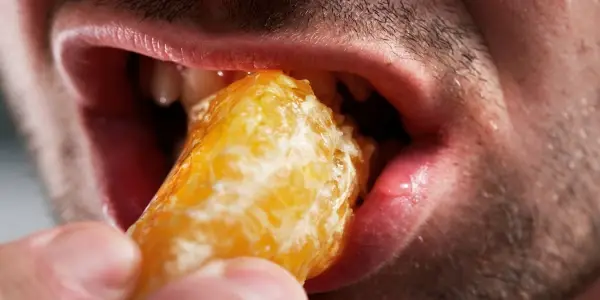
Research uncovers genetic connections between misophonia and conditions like anxiety and depression, highlighting its impact on mental health.
In-depth analysis
Recent discoveries
A groundbreaking study from the Netherlands has identified genetic links between misophonia and mood disorders like anxiety and depression. Researchers utilized extensive genetic databases, revealing that individuals with misophonia often exhibit heightened psychological vulnerabilities. This research not only validates the experiences of those afflicted but also highlights a potential biological basis for the condition.
Implications for public health
The findings underscore the need for increased awareness and understanding of misophonia as a legitimate condition, potentially influencing treatment strategies for related mood disorders.
Who is affected
Approximately 18% of individuals in the UK report experiencing misophonia, indicating a significant portion of the population is impacted. The condition spans across various demographics, though its prevalence may differ based on genetic and environmental factors.
Potential future studies
Future research could explore the genetic mechanisms underlying misophonia further, as well as investigate treatment adaptations from PTSD therapies. Additionally, studies may examine the condition in diverse populations to enhance understanding and applicability.
Did you know?
How this affects your health
Understanding the genetic links between misophonia and mood disorders underscores the importance of addressing emotional health. Individuals suffering from misophonia may experience heightened anxiety and depression, complicating their daily lives. This research advocates for a more compassionate approach to treatment, recognizing that what may seem like mere annoyance can be a significant barrier to emotional well-being.
The scientific surprise
The connection between misophonia and PTSD is particularly striking, as it suggests a shared genetic foundation that researchers had not fully explored before. This revelation opens the door to potential therapeutic adaptations, allowing treatments designed for PTSD to be applied to misophonia sufferers, which could significantly change their quality of life.
The doctor and the patient: a personal story
Marcus, 34, from Chicago, had always felt out of place at family gatherings. The sound of chewing, for instance, would send him into a spiral of anxiety and frustration. After years of struggling with these intense reactions, he finally sought help from Dr. Smit, who explained the recent findings on misophonia. This validation was a turning point for Marcus. He learned that his experiences were not just quirks but tied to deeper emotional and genetic factors. With a tailored therapy approach, he began to manage his reactions, slowly reclaiming joy in shared meals with his loved ones. Marcus now advocates for awareness around misophonia, hoping others won't suffer in silence as he once did.
Expert Commentary

The Challenge of Accessing Levodopa: A...

Newly Discovered Antibiotic Shows Potential...

Experts Warn of Potential Human Pandemic from...

Microplastics Linked to Atherosclerosis in Male...

Confirmed Tuberculosis Case Emerges at Aegis...

Davis County Reports First Measles Case Amid...

Rising H3N2 Flu Variant Sparks Concerns Among...

Understanding Insomnia: A Habit That Can Worsen...

Study Links Grey Hair to Body's Defense Against...

CDC Revises Hepatitis B Vaccine Guidance for...

Addressing the Testosterone Decline in Men: 15...

Significant Number of CDC Vaccination Databases...

Ethiopia Reports Three Fatalities from Marburg...

The Case for a National Leucovorin Registry to...

Emerging H3N2 Variant Raises Concerns for Winter...

Concerns Grow in the U.S. as H3N2 Flu Strain...

The Unique Characteristics of the Sargasso Sea:...

Misdiagnosed Fatigue Leads to Late Diagnosis of...

Concerns Rise as ACIP Meeting Set to Revisit...

Daily Walking Linked to Reduced Alzheimer’s Risk,...

Breakthrough Study Reveals Potential Pathway to...

Understanding Muscle Growth: A Comprehensive Guide

Fit 31-Year-Old Shares Bowel Cancer Journey,...

Study Links Soybean Oil to Obesity, Raising...

Struggling with a Rare Disease, 25-Year-Old Woman...

UK Regulator Signals Major Overhaul for Rare...

COVID-19 Resurgence: Current Trends and Symptoms...

UK Launches Largest Prostate Cancer Screening...

Potential of mRNA Technology in Medicine Faces...

Exploring Testosterone Enhancement: Natural...

Measles Exposure Alert Issued in Maryland and...

Alzheimer's Disease May Originate from...

New Study Challenges Effectiveness of Lecanemab...

Study Reveals Misinformation About Sunscreen...

Engaging in Creative Activities Linked to Younger...

Microscopic Chips Utilize Immune Cells to Target...

Man's Experience with GLP-1 Medication Ends in...

Breakthrough Gel Offers Potential to Regrow Tooth...

Tennessee Investigates Histoplasmosis Cluster...

How Your Dental Health Can Reflect Broader Health...