Disturbing Cases of Tumorous Squirrels Reported Across the U.S.
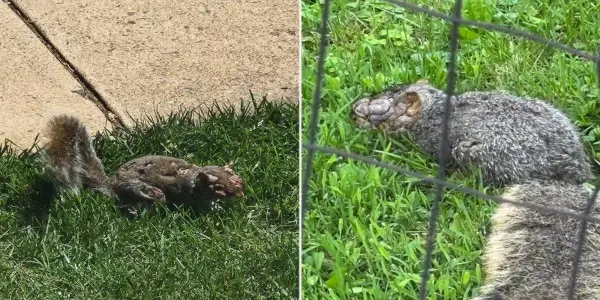
Reports of squirrels with unusual tumors have emerged, raising concerns about a viral skin disease affecting wildlife in several states.
In-depth analysis
Recent discoveries
Recent observations across multiple U.S. states indicate a surge in gray squirrels displaying unusual physical deformities, attributed to a viral skin disease called squirrel fibromatosis. This condition, caused by the leporipoxvirus, has led to alarming visual symptoms, prompting both public concern and expert investigation into its prevalence and transmission patterns.
Implications for public health
The emergence of squirrel fibromatosis highlights potential public health concerns, particularly regarding zoonotic disease transmission. Understanding how this virus spreads can help mitigate risks to both wildlife and humans who may come into contact with infected animals.
Who is affected
Gray squirrels in various states, including Florida, North Carolina, and Michigan, are primarily affected by squirrel fibromatosis. The disease poses a risk not only to these animals but also to local ecosystems, as healthy squirrels may inadvertently come into contact with infected individuals.
Potential future studies
Future research could focus on the epidemiology of squirrel fibromatosis, examining its transmission dynamics and impacts on squirrel populations. Additionally, studies may explore the virus's potential effects on other wildlife species and the broader ecological implications.
Did you know?
How this affects your health
While squirrel fibromatosis primarily affects wildlife, its potential implications for human health shouldn't be overlooked. Increased interactions with infected squirrels may raise concerns about zoonotic diseases. Communities should remain vigilant, especially in areas where these squirrels are common, to ensure safe distancing and prevent potential transmission of various pathogens that can affect humans.
The scientific surprise
The emergence of squirrel fibromatosis highlights the complex interactions within ecosystems that can lead to unexpected viral outbreaks. This case serves as a reminder of how wildlife diseases can evolve and manifest, drawing parallels to other viral conditions in different species. Researchers are now examining the virus's behavior, seeking to understand its long-term impacts on both wildlife and potential human health risks.
The doctor and the patient: a personal story
Marcus, 34, from Chicago, first noticed the squirrels in his local park looking different. As an avid nature lover, he found himself captivated yet disturbed by their unusual appearance. One afternoon, while feeding birds, he spotted a gray squirrel with strange bumps and patchy fur. Concerned, he shared his observations with his veterinarian, who explained the nature of the virus. This experience deepened Marcus's appreciation for wildlife health, prompting him to volunteer at local wildlife rehabilitation centers, hoping to help animals recover and educate others about the importance of coexistence.
Expert Commentary

Ten Hobbies to Enrich Your Retirement Years
COVID-19 Resurgence: Current Trends and Symptoms...

Addressing the Testosterone Decline in Men: 15...

Potential of mRNA Technology in Medicine Faces...

Three Foods Linked to Enhanced Heart Health and...

New Government Initiative Aims to Map Human...

Genetic Mutations in Sperm Increase with Age,...

Understanding Muscle Growth: A Comprehensive Guide

Maine Faces Urgent HIV Crisis as Federal...
Transformed Puppy Overcomes Severe Skin Condition...

Pfizer's mRNA Flu Vaccine Shows Superiority Over...

Study Links Soybean Oil to Obesity, Raising...

Study Links Blood Caffeine Levels to Body Fat and...


Concerns Rise as ACIP Meeting Set to Revisit...

Measles Exposure Alert Issued in Maryland and...


The Case for a National Leucovorin Registry to...

MIT Research Uncovers Cysteine's Role in Gut...

Exploring the Health Benefits of Black Tea: Six...
Rising H3N2 Flu Variant Sparks Concerns Among...

The Challenge of Accessing Levodopa: A...
New Experimental Drug Shows Potential in...

The Unique Characteristics of the Sargasso Sea:...

Breakthrough Study Reveals Potential Pathway to...

Daily Walking Linked to Reduced Alzheimer’s Risk,...

Ethiopia Reports Three Fatalities from Marburg...

Neural Biomarkers of Food Cravings Impacted by...

Evaluating Sweeteners: A Nutritionist's Insight...

Timing of Cancer Treatments May Influence Patient...

New Study Suggests Walking as Few as 3,000 Steps...

Study Links Grey Hair to Body's Defense Against...
Gene Editing and Cholesterol: A Potential...
Measles Outbreak in Buncombe County Linked to...

Emerging H3N2 Variant Raises Concerns for Winter...

Understanding Dry Mouth: Insights from Dental...

Prisma Health Implements Temporary Restrictions...
Confirmed Tuberculosis Case Emerges at Aegis...

Engaging in Creative Activities Linked to Younger...

Study Links COVID-19 mRNA Vaccine to Extended...