H5N1 Bird Flu: Indian Researchers Analyze Potential Human Transmission Risks
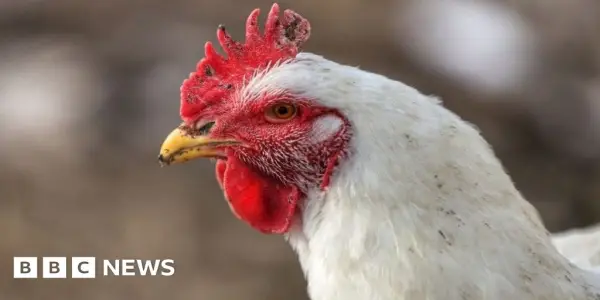
A new study from Indian scientists highlights the risks of H5N1 bird flu potentially spreading to humans, emphasizing the need for proactive public health measures.
In-depth analysis
Recent discoveries
A study by Ashoka University highlights the H5N1 bird flu virus's potential to infect humans, using advanced modeling to simulate outbreak scenarios. The research underscores how initial transmission typically occurs through direct contact with infected birds, emphasizing the need for vigilance and early intervention to prevent widespread human transmission.
Implications for public health
The potential for H5N1 to infect humans raises serious public health concerns. Experts warn that if the virus mutates for efficient human-to-human transmission, it could lead to significant health crises, reminiscent of past pandemics.
Who is affected
Farmers and market workers are particularly at risk due to their close contact with infected birds, as evidenced by recent infections in the United States. Additionally, the virus poses threats to wildlife, as seen in the deaths of tigers and a leopard in India.
Potential future studies
Future research could explore simultaneous outbreaks influenced by migratory birds and assess the model's applicability to various H5N1 strains. Investigating behavioral responses during outbreaks may also provide deeper insights into transmission dynamics.
Did you know?
How this affects your health
The potential for H5N1 to infect humans raises urgent health concerns, particularly for those in close contact with birds. This virus has shown a high mortality rate among infected individuals, making awareness and preventive measures critical. Understanding the dynamics of transmission can empower communities, especially farmers and market workers, to adopt safer practices and minimize risk, ultimately protecting public health.
The scientific surprise
Researchers found that even minimal initial transmission, if unchecked, could escalate rapidly. The model predicts that once two cases arise, the risk of broader community spread increases significantly. This stark finding highlights the importance of rapid response strategies in public health to contain potential outbreaks before they spiral out of control.
The doctor and the patient: a personal story
Marcus, 34, from Chicago, never thought he would be directly impacted by a virus originating in birds. As a poultry farmer, he witnessed the recent H5N1 outbreaks in neighboring farms. One evening, after a long day of work, he received a call from his doctor, who urged him to monitor his health closely after a farmworker in his area was hospitalized with the virus. The fear of the unknown gripped him; his family depended on the farm for their livelihood. As he watched his flock, he couldn't shake the anxiety that a virus could threaten not just his business but his loved ones. This experience transformed Marcus from a casual observer of health news into an advocate for safety measures, prompting him to implement stricter biosecurity protocols to protect his family and community.

Study Reveals Misinformation About Sunscreen...

Pfizer's mRNA Flu Vaccine Shows Superiority Over...

Tennessee Investigates Histoplasmosis Cluster...

Essential Nutrients for Brain Longevity: Insights...

Health Alert Issued in Jalisco Amid Measles...

Wilson Middle School Temporarily Shuts Down Due...

Prisma Health Implements Temporary Restrictions...

Daily Walking Linked to Reduced Alzheimer’s Risk,...
Gene Editing and Cholesterol: A Potential...

Rising Lung Cancer Cases Among Non-Smokers...

Experts Warn of Potentially Severe Flu Season...

Harvard Study Uncovers Gut Molecules That May...

New Experimental Drug Shows Potential in...
Recent Study Raises Concerns About Fruits and...

COVID-19 Resurgence: Current Trends and Symptoms...
Measles Outbreak in Buncombe County Linked to...

Neural Biomarkers of Food Cravings Impacted by...

Food Preservatives Linked to Increased Cancer and...

Struggling with a Rare Disease, 25-Year-Old Woman...

Pet Vaccination Skepticism Rises Amid Growing...

The Impact of Gut Health on Menopause Symptoms:...

Understanding the Recurrence of Urinary Tract...

Study Reveals Hidden Risks of Phthalates in...

Study Links Blood Caffeine Levels to Body Fat and...

New Research Challenges Assumptions About...

Addressing the Testosterone Decline in Men: 15...

Long-Term Melatonin Use Linked to Increased Heart...

Evaluating Sweeteners: A Nutritionist's Insight...
Concerns Grow in the U.S. as H3N2 Flu Strain...

Remembering Nicole Lynn Allenbaugh: A Life of...

Breakthrough Gel Offers Potential to Regrow Tooth...

Genetic Mutations in Sperm Increase with Age,...

New Study Questions Efficacy of Omega-3...

Navigating Co-Parenting Challenges with AI...

Fit 31-Year-Old Shares Bowel Cancer Journey,...

Golden Retriever's Hilarious Reaction to Late...

The Items Women Turn to When Facing Emotional...

Man's Experience with GLP-1 Medication Ends in...

How Diet Influences Body Odor and Attractiveness

Frequent Short Walks Outshine Long Morning...