Harvard Study Uncovers Gut Molecules That May Transform Obesity and Diabetes Treatments
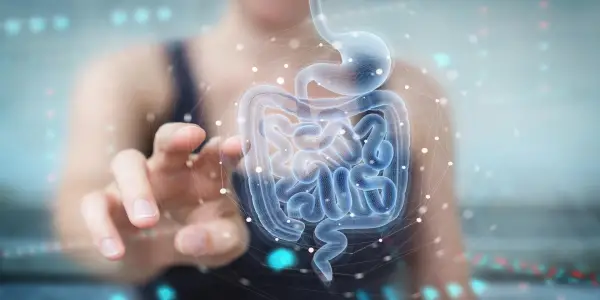
Recent research from Harvard University reveals that specific molecules produced by gut bacteria can influence energy regulation in the liver, with implications for obesity and type 2 diabetes management.
In-depth analysis
Recent discoveries
A Harvard University study has revealed that metabolites from gut bacteria significantly influence liver function and metabolic health. Published in Cell Metabolism, the research highlights the hepatic portal vein's role in transporting these metabolites, which affect energy utilization and insulin response, offering potential avenues for treating obesity and type 2 diabetes.
Implications for public health
This research underscores the connection between gut health and metabolic disorders, suggesting that understanding these pathways could lead to targeted treatments for obesity and diabetes, ultimately improving public health outcomes.
Who is affected
Individuals predisposed to obesity and metabolic disorders, as well as those with poor dietary habits, may be significantly impacted by these findings. The research highlights the importance of gut microbiota in shaping metabolic health for millions worldwide.
Potential future studies
Future research could focus on further characterizing gut-derived metabolites and their specific roles in metabolic pathways. Investigating the interactions between diet, genetics, and microbiome composition will be essential for developing effective therapies.
Did you know?
How this affects your health
This study reveals how gut bacteria metabolites influence liver function, which plays a crucial role in energy regulation and insulin response. By understanding this connection, individuals can tailor their diets to enhance metabolic health, potentially reducing the risk of obesity and type 2 diabetes. Personalized nutrition strategies could become key in managing these conditions more effectively.
The scientific surprise
One surprising finding is the significant impact of environmental factors on metabolite distribution in the hepatic portal vein. This challenges previous assumptions about the gut-liver axis, highlighting that diet not only influences gut microbiota but also directly alters the metabolites that affect liver metabolism. This nuanced understanding opens doors for innovative dietary interventions.
The doctor and the patient: a personal story
Marcus, 34, from Chicago, struggled with obesity for years. After learning about the Harvard study, he became curious about the role of his gut health in his weight loss journey. His doctor recommended a microbiome-focused diet, emphasizing foods that promote beneficial bacteria. Within months, Marcus noticed a significant change—not just in his weight, but in his overall energy levels and mood. He felt empowered, understanding for the first time that his choices could directly influence his health. The connection between his gut and liver became a source of motivation, inspiring him to continue making informed dietary decisions.

Mother's Struggles Highlight Iron Deficiency...

Concerns Grow in the U.S. as H3N2 Flu Strain...

Transformed Puppy Overcomes Severe Skin Condition...

Pelvic Girdle Pain: The Hidden Challenge for One...

Wilson Middle School Temporarily Shuts Down Due...

Exploring Testosterone Enhancement: Natural...

Breakthrough Study Reveals Potential Pathway to...

Food Preservatives Linked to Increased Cancer and...


Loneliness Among Young Adults: A Growing Concern...

Microscopic Chips Utilize Immune Cells to Target...

Florida Health Department Proposes Repeal of...

Florida Doctor's Office Linked to Hepatitis C...

Misdiagnosed Fatigue Leads to Late Diagnosis of...

Concerns Rise as ACIP Meeting Set to Revisit...

Study Links Grey Hair to Body's Defense Against...

The Case for a National Leucovorin Registry to...

Exploring the Health Benefits of Black Tea: Six...

Understanding Muscle Growth: A Comprehensive Guide

UK Regulator Signals Major Overhaul for Rare...
Harvard Study Uncovers Gut Molecules That May...

Significant Number of CDC Vaccination Databases...

Ethiopia Reports First Cases of Marburg Virus...

How Diet Influences Body Odor and Attractiveness
Confirmed Tuberculosis Case Emerges at Aegis...

Golden Retriever's Hilarious Reaction to Late...

UK Launches Largest Prostate Cancer Screening...

FDA Removes Black Box Warnings on Hormone...

Breakthrough Study Reveals Microscopic...

Neural Biomarkers of Food Cravings Impacted by...

Timing of Cancer Treatments May Influence Patient...
Rising H3N2 Flu Variant Sparks Concerns Among...

How Your Dental Health Can Reflect Broader Health...

Experts Warn of Potentially Severe Flu Season...

Davis County Reports First Measles Case Amid...

Tennessee Investigates Histoplasmosis Cluster...

COVID-19 Resurgence: Current Trends and Symptoms...

CDC Revises Hepatitis B Vaccine Guidance for...

Potential of mRNA Technology in Medicine Faces...

The Items Women Turn to When Facing Emotional...