Ebola Outbreak Claims Lives of Three Red Cross Volunteers as Cases Surge in Uganda
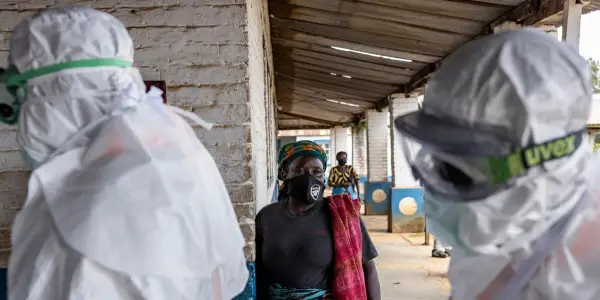
Three Red Cross volunteers have died from Ebola contracted in the DRC, amidst rising cases in Uganda, prompting urgent health measures.
In-depth analysis
Recent discoveries
The ongoing Ebola outbreak in the Democratic Republic of the Congo has led to the deaths of three Red Cross volunteers who contracted the virus during humanitarian efforts. This outbreak, which began in Ituri province, has now reached Uganda, prompting the WHO to declare a public health emergency due to escalating cases and fatalities.
Implications for public health
The outbreak's spread raises urgent public health concerns, particularly as it involves the Bundibugyo strain of Ebola, which lacks an approved vaccine. This situation necessitates enhanced surveillance and response measures.
Who is affected
The outbreak primarily affects healthcare workers and humanitarian volunteers, as evidenced by the Red Cross volunteers' fatalities. Additionally, local communities in both the DRC and Uganda are at risk, especially those in contact with infected individuals.
Potential future studies
Future research may focus on the effectiveness of surveillance systems and response strategies in outbreak-prone regions. Studies could also explore vaccine development for the Bundibugyo strain to enhance preparedness for similar health crises.
Did you know?
How this affects your health
The Ebola outbreak’s ripple effects extend beyond the immediate regions, posing risks to global health security. As cases emerge in Uganda and travel restrictions tighten, the interconnectedness of public health systems becomes apparent. Communities worldwide must remain vigilant, as outbreaks can strain healthcare resources and disrupt routine medical care, impacting overall health outcomes.
The scientific surprise
The Bundibugyo strain of Ebola, responsible for the current outbreak, presents a unique challenge due to its lack of an approved vaccine. This surprising twist in the Ebola narrative emphasizes the need for continuous research and development in viral diseases, as unexpected strains can emerge and spread, outpacing current medical defenses.
The doctor and the patient: a personal story
Marcus, 34, from Chicago, had dedicated his life to humanitarian efforts, often traveling to regions affected by disease. When he learned about the Ebola outbreak in the DRC, he felt a deep sense of loss upon hearing about the deaths of the Red Cross volunteers. One of them, Sezabo, had been a mentor during his training. Marcus recalled a time when Sezabo taught him the importance of community engagement in health crises. Now, with the outbreak spreading, Marcus is haunted by the thought of how quickly a humanitarian mission can turn deadly. Inspired by Sezabo's legacy, he is determined to raise awareness and support for those on the front lines, ensuring their sacrifices are not forgotten.
Expert Commentary

The Impact of Gut Health on Menopause Symptoms:...

New Experimental Drug Shows Potential in...

UK Launches Largest Prostate Cancer Screening...

How Diet Influences Body Odor and Attractiveness

Exploring the Health Benefits of Black Tea: Six...

Florida Health Department Proposes Repeal of...

New Research Links Mediterranean and Plant-Based...

Pet Vaccination Skepticism Rises Amid Growing...

The Surge of Weight-Loss Medications in India: A...

Mother's Struggles Highlight Iron Deficiency...

Rising Lung Cancer Cases Among Non-Smokers...

The Case for a National Leucovorin Registry to...

Concerns Rise as ACIP Meeting Set to Revisit...

CDC Revises Hepatitis B Vaccine Guidance for...
Gene Editing and Cholesterol: A Potential...
Alzheimer's Disease May Originate from...

Understanding Dry Mouth: Insights from Dental...

Remembering Nicole Lynn Allenbaugh: A Life of...

Golden Retriever's Hilarious Reaction to Late...
Ethiopia Reports Three Fatalities from Marburg...
New Study Challenges Effectiveness of Lecanemab...

New Study Suggests Walking as Few as 3,000 Steps...

Study Reveals Hidden Risks of Phthalates in...

Neural Biomarkers of Food Cravings Impacted by...

Texas Sees Highest Whooping Cough Cases in Over a...

Insights from Neurodivergent Adults on the Term...

Engaging in Creative Activities Linked to Younger...

Significant Number of CDC Vaccination Databases...

Breakthrough Study Reveals Potential Pathway to...

Newly Discovered Antibiotic Shows Potential...

New Research Challenges Assumptions About...

Tennessee Investigates Histoplasmosis Cluster...

Navigating Co-Parenting Challenges with AI...

Evaluating Sweeteners: A Nutritionist's Insight...
Post-Pandemic Trends: Low Rates of STDs and Flu...

How Your Dental Health Can Reflect Broader Health...

Harvard Study Uncovers Gut Molecules That May...
Experts Warn of Potential Human Pandemic from...

Study Links Soybean Oil to Obesity, Raising...

The Unique Characteristics of the Sargasso Sea:...