Rising Antifungal Resistance Poses Threat to Common Infection, Experts Warn
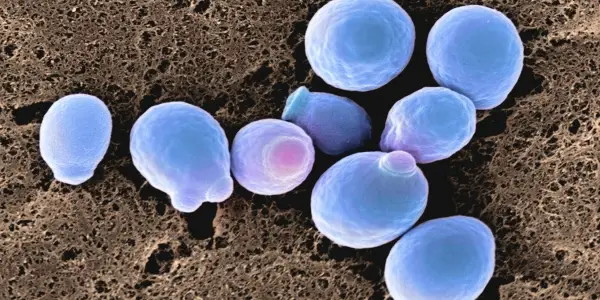
Experts warn that rising antifungal resistance in Candida strains poses a serious threat to thrush treatment, affecting millions and raising urgent health co...
In-depth analysis
Recent discoveries
Recent research highlights a troubling increase in drug resistance among Candida species, with reports indicating that nearly 30% of strains in certain demographics are now resistant to standard antifungal treatments. This marks a significant rise from historical resistance rates, which remained below 5% until the early 2000s, indicating a critical shift in the infection landscape.
Implications for public health
The rise in antifungal resistance poses serious public health challenges, complicating the treatment of common infections and increasing the risk of severe health issues. Understanding the contributing factors is essential to mitigating these risks and protecting vulnerable populations.
Who is affected
Individuals with weakened immune systems, particularly those who have undergone prolonged antibiotic treatments, are at heightened risk for severe Candida infections. Additionally, patients in crowded healthcare environments, such as hospitals, are increasingly vulnerable to drug-resistant strains, exacerbating the threat.
Potential future studies
Future studies should focus on the mechanisms behind antifungal resistance and explore innovative treatment strategies. Research could also investigate the role of environmental factors and the effectiveness of preventative measures to combat this growing public health issue.
Did you know?
How this affects your health
The rising drug resistance of Candida threatens not only those with weakened immune systems but also the general population. As treatment options dwindle, the chances of experiencing severe complications from what were once manageable infections increase. Awareness of this issue is crucial for everyone, as preventive measures and informed healthcare decisions can significantly impact individual health outcomes.
The scientific surprise
The rapid escalation in antifungal resistance among Candida species, particularly from a historical low of under 5% to nearly 30% in some populations, highlights a troubling trend in infectious disease management. This unexpected shift underscores the complex interplay of factors like antibiotic overuse and environmental stresses, urging a reevaluation of how we approach fungal infections.
The doctor and the patient: a personal story
Marcus, 34, from Chicago, had always been healthy, enjoying an active lifestyle. However, after a course of antibiotics for a lingering throat infection, he developed a severe case of thrush. Initially dismissed as a minor issue, Marcus soon found himself battling a stubborn infection resistant to standard treatments. Frustrated and scared, he turned to Dr. Patel, who explained the rising trend of antifungal resistance. Together, they navigated a complex treatment plan, emphasizing the importance of nutrition and microbiome health. Marcus’s experience opened his eyes to the fragility of health and the critical need for responsible medication use, inspiring him to advocate for awareness in his community.

Evaluating Sweeteners: A Nutritionist's Insight...

Health Alert Issued in Jalisco Amid Measles...

Golden Retriever's Hilarious Reaction to Late...

Navigating Co-Parenting Challenges with AI...

Florida Doctor's Office Linked to Hepatitis C...

How Diet Influences Body Odor and Attractiveness

Breakthrough Study Reveals Potential Pathway to...

Potential of mRNA Technology in Medicine Faces...

Study Reveals Hidden Risks of Phthalates in...


Understanding Muscle Growth: A Comprehensive Guide

Breakthrough Gel Offers Potential to Regrow Tooth...

Combination of Tobacco and Cannabis Linked to...

COVID-19 Resurgence: Current Trends and Symptoms...

Study Links Blood Caffeine Levels to Body Fat and...

Understanding Food Spoilage: The Risks of Moldy...

Transformed Puppy Overcomes Severe Skin Condition...

The Unique Characteristics of the Sargasso Sea:...

Florida Health Department Proposes Repeal of...

New Study on Hormonal Contraceptives and Breast...

Understanding the Remarkable Memory Retention of...

Pfizer's mRNA Flu Vaccine Shows Superiority Over...

Genetic Mutations in Sperm Increase with Age,...

Measles Outbreak in Buncombe County Linked to...

Misdiagnosed Fatigue Leads to Late Diagnosis of...

Concerns Rise as ACIP Meeting Set to Revisit...

Newly Discovered Antibiotic Shows Potential...

The Impact of Gut Health on Menopause Symptoms:...

Breakthrough Study Reveals Microscopic...

Frequent Short Walks Outshine Long Morning...

How Your Dental Health Can Reflect Broader Health...

New Experimental Drug Shows Potential in...

Study Links Soybean Oil to Obesity, Raising...

Remembering Nicole Lynn Allenbaugh: A Life of...

New Government Initiative Aims to Map Human...

Prisma Health Implements Temporary Restrictions...

Significant Number of CDC Vaccination Databases...

Recent Study Raises Concerns About Fruits and...

Exploring the Health Benefits of Black Tea: Six...

Understanding Dry Mouth: Insights from Dental...