New Experimental Drug Shows Potential in Preventing Diabetes Complications, Study Reveals
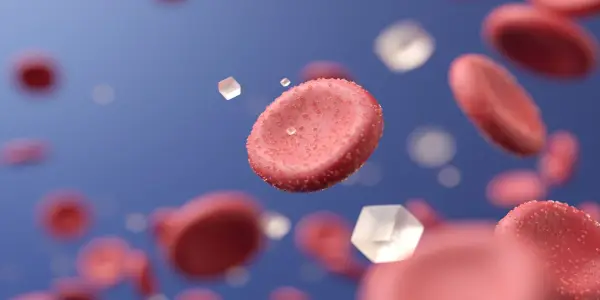
A promising new drug compound may help mitigate serious complications arising from diabetes, according to a recent study involving lab mice and human cells.
In-depth analysis
Recent discoveries
A recent study has revealed a promising experimental drug compound that targets complications of diabetes, particularly impaired wound healing. This innovative approach focuses on inhibiting the interaction between the RAGE protein and DIAPH1, showing effectiveness in both diabetic mice and human cells, regardless of blood glucose levels.
Implications for public health
This research could significantly alter diabetes management strategies, offering a new avenue to prevent severe complications that affect many patients. The drug's potential to improve wound healing may enhance overall quality of life for those living with diabetes.
Who is affected
Individuals with diabetes, particularly those experiencing complications such as impaired wound healing, stand to benefit from this research. Additionally, people with related inflammatory conditions, including asthma and chronic obstructive pulmonary disease, may also be impacted by the broader applications of the drug.
Potential future studies
Future research will likely focus on evaluating the drug's long-term efficacy and safety, as well as exploring RAGE's role in various cell types. Additional studies could also investigate the compound's potential applications in treating other inflammatory diseases.
Did you know?
How this affects your health
This breakthrough in diabetes treatment signifies hope for those grappling with complications like slow wound healing. By addressing the root causes rather than just managing blood sugar, individuals may experience improved quality of life. If successful in humans, this drug could offer a new layer of protection against the debilitating effects of diabetes, enhancing overall health and resilience.
The scientific surprise
The study's revelation that a drug can potentially mitigate diabetes complications irrespective of blood glucose levels challenges long-held beliefs in diabetes management. This shift in focus to protein interactions opens new avenues for research, potentially transforming treatment protocols and offering hope for better outcomes in patients suffering from chronic diabetic issues.
The doctor and the patient: a personal story
Marcus, 34, from Chicago, has battled type 1 diabetes since childhood. Despite his diligent efforts to manage his blood sugar, he developed painful sores that took months to heal. Frustrated and disheartened, he often felt like his body was betraying him. After learning about the new drug compound, Marcus felt a flicker of hope. His doctor explained that this treatment could address the underlying issues causing his slow healing. For Marcus, this wasn’t just a medical breakthrough; it was a chance to reclaim his life and reduce the burden of diabetes on his daily routine.

Potential of mRNA Technology in Medicine Faces...

Recent Study Raises Concerns About Fruits and...

Measles Exposure Alert Issued in Maryland and...

Transformed Puppy Overcomes Severe Skin Condition...

Study Links Grey Hair to Body's Defense Against...

Rising Lung Cancer Cases Among Non-Smokers...

Exploring Testosterone Enhancement: Natural...

Prisma Health Implements Temporary Restrictions...

Remembering Nicole Lynn Allenbaugh: A Life of...
Alzheimer's Disease May Originate from...

Timing of Cancer Treatments May Influence Patient...

Tennessee Investigates Histoplasmosis Cluster...

UK Launches Largest Prostate Cancer Screening...

Insights from Neurodivergent Adults on the Term...

Essential Nutrients for Brain Longevity: Insights...

Addressing the Testosterone Decline in Men: 15...

The Impact of Gut Health on Menopause Symptoms:...

The Items Women Turn to When Facing Emotional...

Microplastics Linked to Atherosclerosis in Male...

CDC Revises Hepatitis B Vaccine Guidance for...

Experts Warn of Potentially Severe Flu Season...

Florida Doctor's Office Linked to Hepatitis C...

Pet Vaccination Skepticism Rises Amid Growing...

Understanding the Recurrence of Urinary Tract...

Loneliness Among Young Adults: A Growing Concern...

Frequent Short Walks Outshine Long Morning...

The Unique Characteristics of the Sargasso Sea:...

Maine Faces Urgent HIV Crisis as Federal...
Gene Editing and Cholesterol: A Potential...

Long-Term Melatonin Use Linked to Increased Heart...

Texas Sees Highest Whooping Cough Cases in Over a...

Wilson Middle School Temporarily Shuts Down Due...

Exploring the Health Benefits of Black Tea: Six...

The Case for a National Leucovorin Registry to...

Breakthrough Study Reveals Microscopic...

New Research Challenges Assumptions About...

FDA Removes Black Box Warnings on Hormone...

Davis County Reports First Measles Case Amid...

Daily Walking Linked to Reduced Alzheimer’s Risk,...