Alzheimer's Disease May Originate from Inflammation in Body Tissues, Not Just the Brain
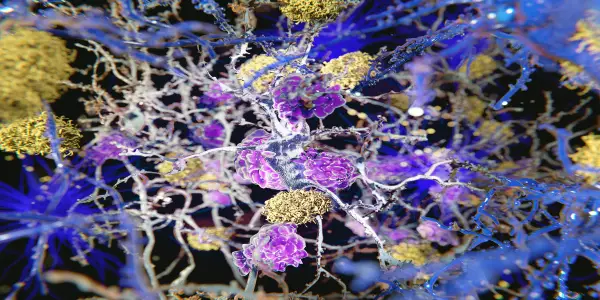
Recent research suggests Alzheimer's disease may begin with inflammation in organs like skin and lungs decades before cognitive symptoms arise.
In-depth analysis
Recent discoveries
Recent genomic research has revealed that Alzheimer's disease may stem from inflammation in peripheral organs, such as the skin and gut, rather than solely from brain processes. This study analyzed genetic data from over 10,000 Alzheimer's patients, identifying significant gene activity linked to the disease in non-brain tissues, reshaping the understanding of its origins.
Implications for public health
This new perspective on Alzheimer's suggests that addressing inflammation in peripheral organs could be crucial for prevention strategies. Recognizing the systemic nature of the disease may lead to innovative approaches in managing risk factors associated with cognitive decline.
Who is affected
Individuals over the age of 60, particularly those with heightened inflammatory responses, may be at increased risk for developing Alzheimer's. This research highlights that both genetic predispositions and environmental factors, such as infections, can influence the onset of cognitive decline.
Potential future studies
Future research should focus on the interplay between inflammation in peripheral organs and Alzheimer’s development. Investigating the causal relationships and potential interventions during critical periods of life could provide valuable insights into prevention and treatment.
Did you know?
How this affects your health
This new perspective on Alzheimer's underscores the importance of monitoring inflammation throughout the body, not just in the brain. Individuals with chronic inflammatory conditions may have a heightened risk for cognitive decline. Adopting an anti-inflammatory lifestyle—through diet, exercise, and stress management—could play a crucial role in reducing Alzheimer's risk, emphasizing that holistic health is key to preventing neurological disorders.
The scientific surprise
The revelation that peripheral organs may contribute significantly to Alzheimer's risk is a paradigm shift. This research indicates a need for a more integrated approach to understanding the disease, reinforcing the idea that our immune system and lifestyle choices can have far-reaching effects on brain health. It opens the door to exploring novel interventions that address inflammation at a systemic level.
The doctor and the patient: a personal story
Marcus, 34, from Chicago, remembers the day his mother was diagnosed with Alzheimer's. It was a devastating moment, but what struck him later was her battle with recurring infections and gut issues years prior. During his own routine checkup, he discussed the study’s findings with his doctor, who emphasized the importance of addressing inflammation in daily life. Inspired, Marcus adopted a healthier diet and began yoga, aiming to prevent a similar fate. He feels empowered, realizing that taking control of his health today could alter his future.
Expert Commentary

Newly Discovered Antibiotic Shows Potential...

The Surge of Weight-Loss Medications in India: A...

Rising Lung Cancer Cases Among Non-Smokers...

Significant Number of CDC Vaccination Databases...

Ethiopia Reports Three Fatalities from Marburg...

Wilson Middle School Temporarily Shuts Down Due...

Food Preservatives Linked to Increased Cancer and...

Pet Vaccination Skepticism Rises Amid Growing...
Alzheimer's Disease May Originate from...

Timing of Cancer Treatments May Influence Patient...

Rising H3N2 Flu Variant Sparks Concerns Among...


New Study Suggests Walking as Few as 3,000 Steps...

Understanding the Recurrence of Urinary Tract...

Davis County Reports First Measles Case Amid...

FDA Removes Black Box Warnings on Hormone...

Pfizer's mRNA Flu Vaccine Shows Superiority Over...

Potential of mRNA Technology in Medicine Faces...

The Items Women Turn to When Facing Emotional...

Remembering Nicole Lynn Allenbaugh: A Life of...

Pelvic Girdle Pain: The Hidden Challenge for One...

Potential Risks of Apple Cider Vinegar: Experts...

Florida Health Department Proposes Repeal of...

Microplastics Linked to Atherosclerosis in Male...
New Study Challenges Effectiveness of Lecanemab...

Understanding Food Spoilage: The Risks of Moldy...

Essential Nutrients for Brain Longevity: Insights...

Struggling with a Rare Disease, 25-Year-Old Woman...

UK Regulator Signals Major Overhaul for Rare...

New Experimental Drug Shows Potential in...

New Research Links Mediterranean and Plant-Based...

Post-Pandemic Trends: Low Rates of STDs and Flu...

The Case for a National Leucovorin Registry to...

Harvard Study Uncovers Gut Molecules That May...

Toddler Overcomes Grim Cancer Diagnosis, Defies...

Health Alert Issued in Jalisco Amid Measles...
Measles Outbreak in Buncombe County Linked to...

Long-Term Melatonin Use Linked to Increased Heart...

Evaluating Sweeteners: A Nutritionist's Insight...

Breakthrough Study Reveals Potential Pathway to...