Understanding the 'Awake Sleep' Phenomenon: Insights into Attention Lapses in ADHD
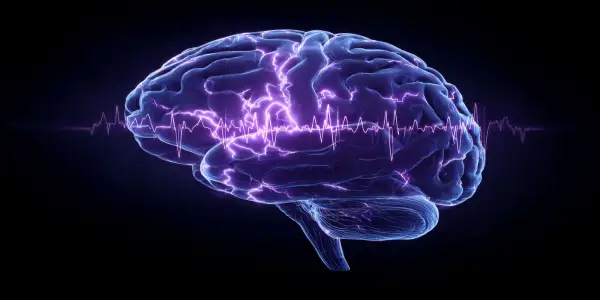
Research indicates that adults with ADHD exhibit increased sleep-like brain activity while awake, contributing to frequent attention lapses and task errors.
In-depth analysis
Recent discoveries
It’s wild to think that for some people, parts of their brain might be "napping" while they're wide awake. This study shows that in adults with ADHD, these micro-sleeps in specific brain regions happen way more often, directly causing those frustrating moments of zoning out.
Implications for public health
This really changes how we should view ADHD in daily life. If these attention lapses are involuntary brain activity, we need better workplace accommodations and educational support, not just discipline. It highlights a real neurological hurdle that affects job performance and safety.
Who is affected
Obviously, this directly impacts adults diagnosed with ADHD who struggle with attention. But by extension, it affects their employers, families, and partners. Anyone relying on them for consistency feels the ripple effects of these unpredictable, sleep-like interruptions during the day.
Potential future studies
I really hope researchers look into whether simple sensory interventions, like the auditory tones used during sleep, could work during the day. If we can "wake up" those sleepy brain areas in real-time, we might find a non-pharmaceutical way to help manage these disruptive symptoms.
Did you know?
How this affects your health
This means your brain might be fighting itself just to stay awake and focused. For someone with ADHD, these involuntary sleep-like episodes cause constant mental fatigue and mistakes in everyday tasks, making work and simple responsibilities feel exhausting and much harder to manage consistently.
The scientific surprise
The shocking part is discovering that local sleep can happen in an awake brain. We always thought sleep was an all-or-nothing state for the whole brain. This study reveals specific regions can "doze off" independently, causing attention lapses without the person actually falling asleep.
The doctor and the patient: a personal story
I once had a patient tell me, "I feel like my brain just leaves the room without me." Now this research finally explains that experience. When I share these findings, my patients feel immense relief—knowing their attention struggles aren't character flaws, but real brain activity they can't control.
Expert Commentary
This new research from Monash University really resonates with my own observations. I've seen how clients with ADHD describe mental fatigue not as simple tiredness, but as a sudden, involuntary "brain fog." Framing these attention lapses as bursts of sleep-like brain activity provides a concrete, neurological explanation for their struggles. It validates their experience and shifts the focus from a lack of effort to a genuine physiological phenomenon. This isn't just an academic finding; it’s a crucial step toward developing more compassionate and effective interventions.

Pelvic Girdle Pain: The Hidden Challenge for One...

Three Foods Linked to Enhanced Heart Health and...

Navigating Co-Parenting Challenges with AI...
Gene Editing and Cholesterol: A Potential...

The Challenge of Accessing Levodopa: A...


Long-Term Melatonin Use Linked to Increased Heart...

Concerns Grow in the U.S. as H3N2 Flu Strain...

Essential Nutrients for Brain Longevity: Insights...

Viagra Shows Potential to Address Genetic Hearing...

Tennessee Investigates Histoplasmosis Cluster...

Frequent Short Walks Outshine Long Morning...

New Research Suggests Increased Melanoma Risk...

Food Preservatives Linked to Increased Cancer and...

New Study Suggests Walking as Few as 3,000 Steps...

Fit 31-Year-Old Shares Bowel Cancer Journey,...

Rising H3N2 Flu Variant Sparks Concerns Among...

Florida Doctor's Office Linked to Hepatitis C...

Health Alert Issued in Jalisco Amid Measles...

Study Links Blood Caffeine Levels to Body Fat and...

Understanding Dry Mouth: Insights from Dental...

How Diet Influences Body Odor and Attractiveness

Misdiagnosed Fatigue Leads to Late Diagnosis of...

Study Links Grey Hair to Body's Defense Against...

CDC Revises Hepatitis B Vaccine Guidance for...

Microscopic Chips Utilize Immune Cells to Target...

Remembering Nicole Lynn Allenbaugh: A Life of...

Understanding Muscle Growth: A Comprehensive Guide

Daily Walking Linked to Reduced Alzheimer’s Risk,...

UK Regulator Signals Major Overhaul for Rare...

Understanding Food Spoilage: The Risks of Moldy...

Evaluating Sweeteners: A Nutritionist's Insight...

Measles Exposure Alert Issued in Maryland and...

Loneliness Among Young Adults: A Growing Concern...

Pfizer's mRNA Flu Vaccine Shows Superiority Over...
Harvard Study Uncovers Gut Molecules That May...

Potential of mRNA Technology in Medicine Faces...
Insights from Neurodivergent Adults on the Term...

Timing of Cancer Treatments May Influence Patient...
Measles Outbreak in Buncombe County Linked to...