Unexpected Diagnosis: Man Found to Have Tapeworms Instead of Brain Cancer
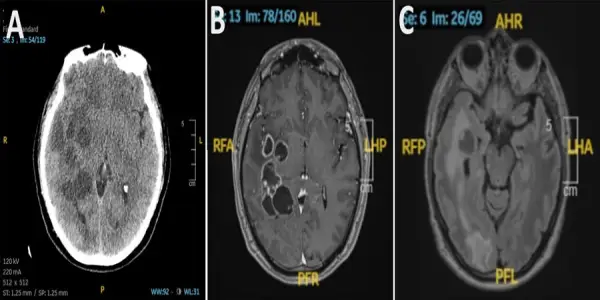
A man's headache led doctors to discover tapeworms in his brain, highlighting the complexities of diagnosing neurological conditions.
In-depth analysis
Recent discoveries
A recent medical case in Spain revealed encapsulated tapeworms in a patient presenting with persistent headaches and neurological symptoms. Initial scans, intended to identify tumors, instead highlighted the unexpected presence of these parasites, emphasizing the need for thorough differential diagnoses in similar cases.
Implications for public health
This case emphasizes the critical need for increased awareness and education about parasitic infections among healthcare professionals, particularly in regions where such diseases are not commonly encountered.
Who is affected
Individuals in non-endemic regions, particularly those in occupations with potential exposure to contaminated food or environments, may be at risk for parasitic infections. This case serves as a reminder for healthcare providers to consider such infections in their diagnostic processes.
Potential future studies
Future research could focus on the epidemiology of parasitic infections in non-endemic areas. Investigating the prevalence and transmission routes may enhance diagnostic accuracy and public health responses.
Did you know?
How this affects your health
This case serves as a stark reminder that not all neurological symptoms point to serious conditions like cancer. Persistent headaches and unusual movements shouldn't be dismissed, as they could stem from lesser-known causes such as parasitic infections. Increased awareness among patients and healthcare providers can lead to timely diagnosis and treatment, ultimately safeguarding health and well-being.
The scientific surprise
The discovery of encapsulated tapeworms instead of tumors challenges preconceived notions about rare parasitic infections in developed regions. It raises important questions about the prevalence of such cases and the need for more extensive research into atypical presentations of common diseases. This finding could reshape diagnostic protocols in neurology.
The doctor and the patient: a personal story
Marcus, 34, from Chicago, had been experiencing relentless headaches for weeks, which he attributed to stress from his demanding construction job. When he finally visited his doctor, he never expected to hear the word 'tapeworm.' After an exhausting round of tests, the revelation left him shocked but relieved—no cancer, just a bizarre infection. As he learned about the risks of contaminated food, Marcus felt a mix of gratitude for his health and a newfound respect for the complexities of his body. This experience transformed his approach to health, prompting him to advocate for better hygiene practices among his coworkers, ensuring that no one else had to endure his ordeal.
Expert Commentary

Ten Hobbies to Enrich Your Retirement Years

The Items Women Turn to When Facing Emotional...

Addressing the Testosterone Decline in Men: 15...
Confirmed Tuberculosis Case Emerges at Aegis...

Food Preservatives Linked to Increased Cancer and...

New Government Initiative Aims to Map Human...

Significant Number of CDC Vaccination Databases...

Pet Vaccination Skepticism Rises Amid Growing...

Recent Study Raises Concerns About Fruits and...
How Your Dental Health Can Reflect Broader Health...

Understanding Insomnia: A Habit That Can Worsen...

CDC Revises Hepatitis B Vaccine Guidance for...

Davis County Reports First Measles Case Amid...

Study Links GLP-1 Medications Such as Ozempic to...
New Experimental Drug Shows Potential in...

Viagra Shows Potential to Address Genetic Hearing...


Exploring the Health Benefits of Black Tea: Six...

Engaging in Creative Activities Linked to Younger...

Experts Warn of Potentially Severe Flu Season...
Measles Outbreak in Buncombe County Linked to...

Prisma Health Implements Temporary Restrictions...

Transformed Puppy Overcomes Severe Skin Condition...

The Challenge of Accessing Levodopa: A...
Rising H3N2 Flu Variant Sparks Concerns Among...

Daily Walking Linked to Reduced Alzheimer’s Risk,...

Research Reveals How Ozempic Affects Alcohol...

Navigating Co-Parenting Challenges with AI...

Breakthrough Gel Offers Potential to Regrow Tooth...

Struggling with a Rare Disease, 25-Year-Old Woman...


Emerging H3N2 Variant Raises Concerns for Winter...

Golden Retriever's Hilarious Reaction to Late...

Frequent Short Walks Outshine Long Morning...

Evaluating Sweeteners: A Nutritionist's Insight...
Fit 31-Year-Old Shares Bowel Cancer Journey,...

Microplastics Linked to Atherosclerosis in Male...

Essential Nutrients for Brain Longevity: Insights...

FDA Removes Black Box Warnings on Hormone...

Study Links COVID-19 mRNA Vaccine to Extended...