Impact of Tea and Coffee Consumption on Osteoporosis Risk in Older Women
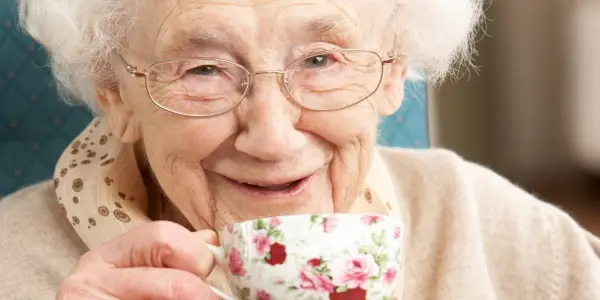
New research highlights how tea and coffee choices influence bone health in older women, emphasizing the potential benefits of moderate tea intake.
In-depth analysis
Recent discoveries
A recent study from Flinders University examined the drinking habits of nearly 9,000 women aged 50 and older, revealing that tea consumption is linked to higher bone mineral density (BMD) compared to coffee. The research suggests that catechins in tea may promote osteoblast activity, potentially reducing osteoporosis risk among older women.
Implications for public health
This research underscores the importance of dietary choices in osteoporosis management, suggesting that simple modifications like increasing tea consumption could significantly enhance bone health in older women.
Who is affected
Older women, particularly those who are post-menopausal, are the primary demographic affected by osteoporosis. The study highlights the need for this group to consider their beverage choices as part of their overall health strategy.
Potential future studies
Future research could explore the effects of tea and coffee consumption on bone health across diverse populations, as well as investigate the mechanisms behind the observed differences in bone density related to these beverages.
Did you know?
How this affects your health
This research highlights the importance of beverage choices in maintaining bone health, particularly for women over 50. With osteoporosis being a significant concern, opting for tea over coffee could be a simple yet impactful dietary change. Regular tea consumption may not only support bone density but also reduce fracture risks, empowering women to take charge of their long-term health.
The scientific surprise
The study's results challenge common assumptions about caffeine and bone health. While coffee is often enjoyed for its stimulating effects, the findings suggest that excessive consumption can harm bone density. The positive link between tea and bone strength introduces a new perspective on how everyday beverages can influence long-term health outcomes, prompting further exploration of dietary habits.
The doctor and the patient: a personal story
Marcus, 34, from Chicago, always loved his morning coffee ritual. But after his mother's osteoporosis diagnosis, he became more conscious of his own bone health. During a routine check-up, his doctor discussed recent findings linking tea consumption to better bone density. Intrigued, Marcus decided to swap his afternoon coffee for a soothing cup of green tea. Over time, he noticed not just potential health benefits but also a calming moment in his busy day, transforming his relationship with beverages into a mindful practice.
Expert Commentary

Prisma Health Implements Temporary Restrictions...

Understanding Muscle Growth: A Comprehensive Guide

Understanding the Recurrence of Urinary Tract...
Breakthrough Gel Offers Potential to Regrow Tooth...

Fit 31-Year-Old Shares Bowel Cancer Journey,...

New Study Challenges Effectiveness of Lecanemab...

Essential Nutrients for Brain Longevity: Insights...

Viagra Shows Potential to Address Genetic Hearing...

Concerns Rise as ACIP Meeting Set to Revisit...

New Study Suggests Walking as Few as 3,000 Steps...

Ten Hobbies to Enrich Your Retirement Years

Florida Doctor's Office Linked to Hepatitis C...

Addressing the Testosterone Decline in Men: 15...

New Research Links Mediterranean and Plant-Based...

Exploring the Health Benefits of Black Tea: Six...

Neural Biomarkers of Food Cravings Impacted by...

Rising H3N2 Flu Variant Sparks Concerns Among...

Long-Term Melatonin Use Linked to Increased Heart...

Experts Warn of Potentially Severe Flu Season...

New Research Suggests Increased Melanoma Risk...

New Study Questions Efficacy of Omega-3...

Confirmed Tuberculosis Case Emerges at Aegis...

Alzheimer's Disease May Originate from...

Study Links Grey Hair to Body's Defense Against...

Davis County Reports First Measles Case Amid...

Remembering Nicole Lynn Allenbaugh: A Life of...

Struggling with a Rare Disease, 25-Year-Old Woman...

Frequent Short Walks Outshine Long Morning...

Navigating Co-Parenting Challenges with AI...

Pet Vaccination Skepticism Rises Amid Growing...

Understanding Insomnia: A Habit That Can Worsen...

The Impact of Gut Health on Menopause Symptoms:...

Pfizer's mRNA Flu Vaccine Shows Superiority Over...

Loneliness Among Young Adults: A Growing Concern...

The Items Women Turn to When Facing Emotional...

Exploring Testosterone Enhancement: Natural...

FDA Removes Black Box Warnings on Hormone...

Golden Retriever's Hilarious Reaction to Late...

Rising Lung Cancer Cases Among Non-Smokers...

The Surge of Weight-Loss Medications in India: A...