Study Reveals Innate Neural Patterns in Human Brain Development
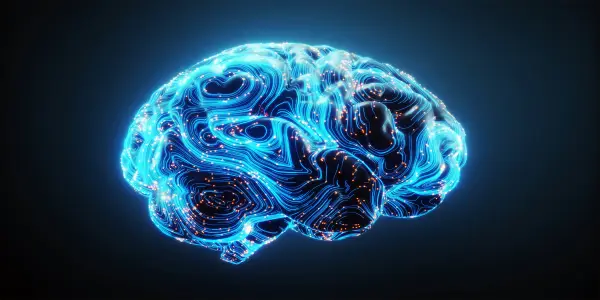
Research indicates that neural circuits in the human brain exhibit electrical activity early in development, suggesting intrinsic mechanisms for processing sensory information.
In-depth analysis
Recent discoveries
Recent research from the University of California, Santa Cruz, reveals that neural circuits in the human brain generate electrical patterns well before sensory inputs are received. Utilizing organoids, the study demonstrates that these circuits are preconfigured for information processing, suggesting an innate timing mechanism that shapes early brain function and cognitive abilities.
Implications for public health
The findings may inform early interventions for neurological disorders, highlighting the potential to harness innate neural patterns for therapeutic purposes. This could lead to more effective treatments for conditions like autism and Alzheimer’s disease.
Who is affected
Individuals with neurological conditions, particularly those diagnosed with autism and Alzheimer’s disease, could significantly benefit from the insights gained from this study. Additionally, researchers and healthcare providers working in neuroscience will find these developments relevant to their work.
Potential future studies
Future research could focus on manipulating neural circuits within organoids to explore their role in cognitive development further. Investigating how these circuits respond to various interventions may yield new strategies for treating neurological disorders.
Did you know?
How this affects your health
Understanding the early development of brain circuits can reshape approaches to neurological health. If neural patterns are preconfigured, then interventions during formative years could be crucial. This research underscores the importance of early screenings and treatments, as recognizing inherent brain activity could lead to better outcomes for conditions like autism or Alzheimer’s.
The scientific surprise
The revelation that neural circuits in developing brains generate organized electrical patterns before sensory experiences challenge long-held beliefs. This suggests that the brain's architecture is not merely reactive but primed for complex information processing, hinting at an intrinsic roadmap for cognitive development that scientists are just beginning to understand.
The doctor and the patient: a personal story
Marcus, 34, from Chicago, always felt a disconnect with his emotions, often struggling to understand why certain memories resurfaced unexpectedly. After learning about the recent study on neural circuits, he visited Dr. Elena, a neurologist specializing in early cognitive development. During his appointment, she explained how his brain might have been prewired to process emotions differently. This insight led to a tailored therapy approach, allowing Marcus to explore his feelings more deeply. For the first time, he felt hopeful that understanding his brain's innate wiring could unlock new pathways to emotional clarity.

Ethiopia Reports Three Fatalities from Marburg...

Tennessee Investigates Histoplasmosis Cluster...

The Unique Characteristics of the Sargasso Sea:...

Maine Faces Urgent HIV Crisis as Federal...

Florida Health Department Proposes Repeal of...

Ethiopia Reports First Cases of Marburg Virus...

New Study on Hormonal Contraceptives and Breast...

The Challenge of Accessing Levodopa: A...

Three Foods Linked to Enhanced Heart Health and...

Remembering Nicole Lynn Allenbaugh: A Life of...

Misdiagnosed Fatigue Leads to Late Diagnosis of...

New Study Suggests Walking as Few as 3,000 Steps...

Microscopic Chips Utilize Immune Cells to Target...

UK Launches Largest Prostate Cancer Screening...

Breakthrough Gel Offers Potential to Regrow Tooth...

Understanding Muscle Growth: A Comprehensive Guide

Golden Retriever's Hilarious Reaction to Late...

Pet Vaccination Skepticism Rises Amid Growing...

Evaluating Sweeteners: A Nutritionist's Insight...

Recent Study Raises Concerns About Fruits and...

Experts Warn of Potential Human Pandemic from...

Mother's Struggles Highlight Iron Deficiency...
New Study Challenges Effectiveness of Lecanemab...
Combination of Tobacco and Cannabis Linked to...

Engaging in Creative Activities Linked to Younger...

COVID-19 Resurgence: Current Trends and Symptoms...

Experts Warn of Potentially Severe Flu Season...

Pelvic Girdle Pain: The Hidden Challenge for One...

New Government Initiative Aims to Map Human...
Gene Editing and Cholesterol: A Potential...

New Study Questions Efficacy of Omega-3...

Man's Experience with GLP-1 Medication Ends in...

How Diet Influences Body Odor and Attractiveness

Study Links GLP-1 Medications Such as Ozempic to...

Genetic Mutations in Sperm Increase with Age,...

Measles Exposure Alert Issued in Maryland and...

Concerns Rise as ACIP Meeting Set to Revisit...

Understanding Dry Mouth: Insights from Dental...

The Impact of Gut Health on Menopause Symptoms:...

Addressing the Testosterone Decline in Men: 15...