Health Officials Monitor Two Maryland Residents for Hantavirus Exposure
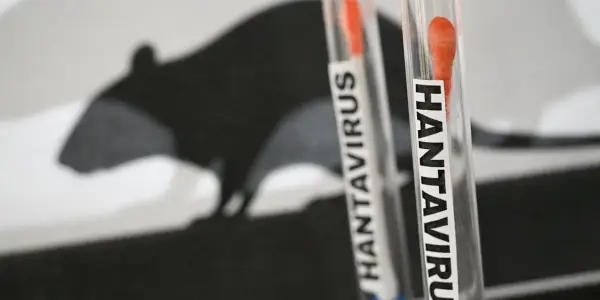
Maryland health authorities are closely tracking two residents after potential exposure to hantavirus during an international flight.
In-depth analysis
Recent discoveries
Health officials in Maryland are investigating two residents for potential hantavirus exposure linked to a passenger from the M/V Hondius cruise ship outbreak. This incident marks the first report of the Andes virus strain in the state, which is unique for its ability to transmit between humans.
Implications for public health
While the risk to the general public is considered minimal, the event has prompted heightened awareness and precautionary measures to prevent potential transmission and ensure community safety.
Who is affected
The outbreak has impacted at least 18 individuals, primarily American passengers on the M/V Hondius, along with one dual British-American citizen. The international nature of the cruise raises concerns about broader implications for travelers and public health.
Potential future studies
Future research may focus on the Andes virus's transmission dynamics and its potential for spread in different environments. Studies could also explore effective containment strategies to manage similar outbreaks.
Did you know?
How this affects your health
While the risk from the recent hantavirus exposure is low, awareness is key to health. Understanding how hantavirus spreads can empower individuals to take precautions, especially in areas where rodents are prevalent. Symptoms can mimic other illnesses, making early detection vital. Staying informed about such outbreaks can lead to better personal health choices and community safety.
The scientific surprise
The Andes virus's ability to spread person-to-person is a rare phenomenon within hantaviruses, which typically rely on rodent hosts. This unexpected transmission pathway highlights the need for ongoing research into viral behavior and public health implications, reminding us that even familiar pathogens can evolve in unpredictable ways.
The doctor and the patient: a personal story
Marcus, 34, from Chicago, always loved exploring the outdoors. During a recent camping trip, he encountered signs of rodent activity in his tent. Days later, he began feeling fatigued and developed a fever. Anxiously, he sought medical help, fearing hantavirus after hearing about the outbreak from the M/V Hondius. Fortunately, it turned out to be a mild viral infection. This close call sparked a new awareness in Marcus about the hidden dangers of nature and the importance of being vigilant about health, especially when traveling. He now shares his story to educate others on the importance of awareness and safety in both everyday life and adventures.
Expert Commentary

Mother's Struggles Highlight Iron Deficiency...

Potential Risks of Apple Cider Vinegar: Experts...

Maine Faces Urgent HIV Crisis as Federal...
COVID-19 Resurgence: Current Trends and Symptoms...

Study Reveals Hidden Risks of Phthalates in...

New Research Suggests Increased Melanoma Risk...
Measles Exposure Alert Issued in Maryland and...

Microscopic Chips Utilize Immune Cells to Target...

Harvard Study Uncovers Gut Molecules That May...

Study Links Grey Hair to Body's Defense Against...

How Diet Influences Body Odor and Attractiveness

New Study Questions Efficacy of Omega-3...
Experts Warn of Potential Human Pandemic from...

Davis County Reports First Measles Case Amid...


Breakthrough Gel Offers Potential to Regrow Tooth...

Neural Biomarkers of Food Cravings Impacted by...

CDC Revises Hepatitis B Vaccine Guidance for...

FDA Removes Black Box Warnings on Hormone...

The Items Women Turn to When Facing Emotional...

Breakthrough Study Reveals Microscopic...

Newly Discovered Antibiotic Shows Potential...
Post-Pandemic Trends: Low Rates of STDs and Flu...

Timing of Cancer Treatments May Influence Patient...

Daily Walking Linked to Reduced Alzheimer’s Risk,...

Essential Nutrients for Brain Longevity: Insights...
Fit 31-Year-Old Shares Bowel Cancer Journey,...

Concerns Rise as ACIP Meeting Set to Revisit...

Prisma Health Implements Temporary Restrictions...

New Study Suggests Walking as Few as 3,000 Steps...

Experts Warn of Potentially Severe Flu Season...

New Research Challenges Assumptions About...

Exploring the Health Benefits of Black Tea: Six...


Viagra Shows Potential to Address Genetic Hearing...

New Research Links Mediterranean and Plant-Based...

The Surge of Weight-Loss Medications in India: A...

The Challenge of Accessing Levodopa: A...

Potential of mRNA Technology in Medicine Faces...

The Unique Characteristics of the Sargasso Sea:...