Study Links Healthy Diets to Increased Lung Cancer Risk in Young Non-Smokers
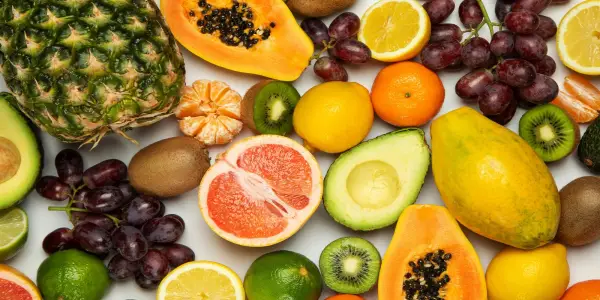
A study highlights a potential connection between diets rich in fruits and vegetables and lung cancer risk in younger non-smokers, emphasizing pesticide exposure.
In-depth analysis
Recent discoveries
Researchers at the University of Southern California have identified an unexpected link between healthy eating habits and a heightened risk of lung cancer in younger non-smokers. This study, presented at the American Association for Cancer Research meeting, highlights a concerning trend: rising lung cancer rates in individuals under 50 who have never smoked, challenging traditional perceptions of the disease.
Implications for public health
These findings underscore the urgent need for public health initiatives that address dietary choices alongside environmental factors, particularly regarding pesticide exposure, which may pose risks to non-smokers.
Who is affected
The study primarily impacts younger non-smokers, especially women under 50, who are experiencing an alarming increase in lung cancer diagnoses despite maintaining healthier diets than the general population.
Potential future studies
Future research will focus on blood and urine analyses to further investigate the relationship between dietary habits, pesticide exposure, and lung cancer risk among non-smokers, aiming to clarify these complex interactions.
Did you know?
How this affects your health
This research challenges the conventional wisdom surrounding lung cancer risk. For younger non-smokers, a seemingly healthy diet may be a double-edged sword. While fruits and vegetables are essential for overall health, awareness of pesticide exposure is crucial. Engaging with local produce sources and supporting organic farming can mitigate these risks, empowering individuals to make healthier choices without compromising safety.
The scientific surprise
The correlation between healthy dietary habits and increased lung cancer risk defies long-held assumptions about nutrition and cancer. Researchers now face the complex task of unraveling how pesticide exposure could undermine the protective benefits typically associated with a nutritious diet. This unexpected link opens new avenues for inquiry into environmental factors influencing cancer, particularly among younger demographics.
The doctor and the patient: a personal story
Marcus, 34, from Chicago, never expected to hear the words 'lung cancer' from his doctor. A lifelong non-smoker, Marcus prided himself on his healthy lifestyle, often sharing meal prep ideas with friends. When he received his diagnosis, he was devastated and confused. During his treatment, he learned about the potential risks associated with pesticide exposure in the fresh produce he had so diligently consumed. This revelation transformed his perspective. Marcus now advocates for increased awareness about food safety and actively participates in community discussions, hoping to spare others from his experience. His journey is a stark reminder of the complexities of health and the unseen dangers that can lurk in even the healthiest choices.
Expert Commentary

Breakthrough Study Reveals Potential Pathway to...

Potential of mRNA Technology in Medicine Faces...

Food Preservatives Linked to Increased Cancer and...

Rising Lung Cancer Cases Among Non-Smokers...



Misdiagnosed Fatigue Leads to Late Diagnosis of...

Prisma Health Implements Temporary Restrictions...

Breakthrough Study Reveals Microscopic...

Exploring the Health Benefits of Black Tea: Six...

Study Links Grey Hair to Body's Defense Against...

Study Reveals Misinformation About Sunscreen...

Ethiopia Reports First Cases of Marburg Virus...

New Study Questions Efficacy of Omega-3...

Pet Vaccination Skepticism Rises Amid Growing...

UK Launches Largest Prostate Cancer Screening...

Engaging in Creative Activities Linked to Younger...

Measles Outbreak in Buncombe County Linked to...

New Experimental Drug Shows Potential in...

New Study Suggests Walking as Few as 3,000 Steps...

FDA Removes Black Box Warnings on Hormone...

Understanding Muscle Growth: A Comprehensive Guide

Daily Walking Linked to Reduced Alzheimer’s Risk,...

Gene Editing and Cholesterol: A Potential...

Newly Discovered Antibiotic Shows Potential...

Evaluating Sweeteners: A Nutritionist's Insight...

Tennessee Investigates Histoplasmosis Cluster...

Measles Exposure Alert Issued in Maryland and...

Long-Term Melatonin Use Linked to Increased Heart...

Davis County Reports First Measles Case Amid...

Rising H3N2 Flu Variant Sparks Concerns Among...

Essential Nutrients for Brain Longevity: Insights...

Three Foods Linked to Enhanced Heart Health and...

Study Reveals Hidden Risks of Phthalates in...

Struggling with a Rare Disease, 25-Year-Old Woman...

Neural Biomarkers of Food Cravings Impacted by...

Florida Health Department Proposes Repeal of...

COVID-19 Resurgence: Current Trends and Symptoms...

Study Links GLP-1 Medications Such as Ozempic to...

Understanding Insomnia: A Habit That Can Worsen...