Rabies Cases Increase in Tuolumne County with Three Additional Skunks Testing Positive
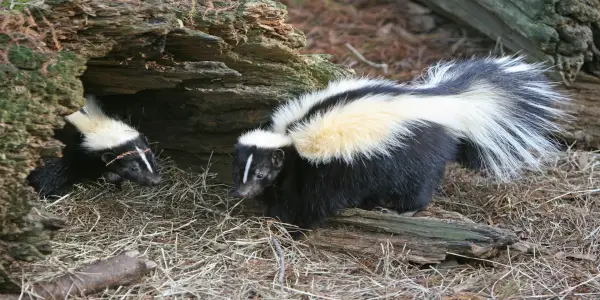
Tuolumne County reports three more rabies-positive skunks, raising concerns for public health and pet safety in the area.
In-depth analysis
Recent discoveries
Recent reports from Tuolumne County indicate a rise in rabies cases among skunks, with three new infections confirmed near key locations such as Sonora High School and Ponderosa Hills. This increase follows two earlier cases, highlighting a concerning trend in the area's wildlife health and the potential risks associated with rabies transmission.
Implications for public health
The emergence of new rabies cases emphasizes the need for heightened public health measures. Authorities stress the importance of pet vaccination and awareness to prevent potential transmission from wildlife to domestic animals and humans.
Who is affected
Residents of Tuolumne County, particularly pet owners and families living near wildlife habitats, are directly impacted by these rabies cases. Additionally, local wildlife, including skunks, are at risk, necessitating careful monitoring and management by health authorities.
Potential future studies
Future research could focus on the ecological factors contributing to rabies outbreaks in urban and suburban wildlife populations. Studies may also explore the effectiveness of vaccination programs and community education initiatives in preventing rabies transmission.
Did you know?
How this affects your health
The rise in rabies cases in Tuolumne County serves as a crucial reminder of the interconnectedness of human and animal health. Even vaccinated pets can be at risk if exposed to wildlife. This underscores the importance of regular vaccinations and immediate reporting of unusual animal behavior to prevent potential outbreaks that can affect families and communities.
The scientific surprise
The recent rabies cases in skunks challenge previous assumptions about wildlife behavior and disease spread. The presence of rabies in seemingly healthy wildlife suggests that environmental factors may be influencing the virus's prevalence, emphasizing the need for ongoing research into wildlife health and the potential for zoonotic diseases to impact domestic animals.
The doctor and the patient: a personal story
Marcus, 34, from Chicago, never worried about rabies until his beloved dog, Bella, was exposed to an infected skunk during a hiking trip in Tuolumne County. After receiving a booster vaccination, Bella bounced back, but the scare left Marcus shaken. He realized how quickly life could change and has since become an advocate for pet vaccinations in his community, sharing his story to raise awareness and encourage others to stay vigilant.
Expert Commentary

Pfizer's mRNA Flu Vaccine Shows Superiority Over...

Newly Discovered Antibiotic Shows Potential...

FDA Removes Black Box Warnings on Hormone...

Potential Risks of Apple Cider Vinegar: Experts...

Daily Walking Linked to Reduced Alzheimer’s Risk,...
Measles Outbreak in Buncombe County Linked to...

Engaging in Creative Activities Linked to Younger...

The Case for a National Leucovorin Registry to...

Loneliness Among Young Adults: A Growing Concern...

Insights from Neurodivergent Adults on the Term...

Texas Sees Highest Whooping Cough Cases in Over a...

Study Links Grey Hair to Body's Defense Against...

New Study Challenges Effectiveness of Lecanemab...

Evaluating Sweeteners: A Nutritionist's Insight...

Prisma Health Implements Temporary Restrictions...

New Study Suggests Walking as Few as 3,000 Steps...
Experts Warn of Potential Human Pandemic from...

Concerns Rise as ACIP Meeting Set to Revisit...

New Research Links Mediterranean and Plant-Based...

Mother's Struggles Highlight Iron Deficiency...
Transformed Puppy Overcomes Severe Skin Condition...

Florida Health Department Proposes Repeal of...

Neural Biomarkers of Food Cravings Impacted by...

New Study Questions Efficacy of Omega-3...

Remembering Nicole Lynn Allenbaugh: A Life of...

Fit 31-Year-Old Shares Bowel Cancer Journey,...

Navigating Co-Parenting Challenges with AI...
Alzheimer's Disease May Originate from...

Potential of mRNA Technology in Medicine Faces...

Tennessee Investigates Histoplasmosis Cluster...

Harvard Study Uncovers Gut Molecules That May...

Exploring the Health Benefits of Black Tea: Six...

Rising Lung Cancer Cases Among Non-Smokers...

Breakthrough Gel Offers Potential to Regrow Tooth...

Microplastics Linked to Atherosclerosis in Male...

Recent Study Raises Concerns About Fruits and...

Van Tulleken Brothers Debunk Three Common...

Florida Doctor's Office Linked to Hepatitis C...

Confirmed Tuberculosis Case Emerges at Aegis...
Gene Editing and Cholesterol: A Potential...