MIT Research Uncovers Cysteine's Role in Gut Healing
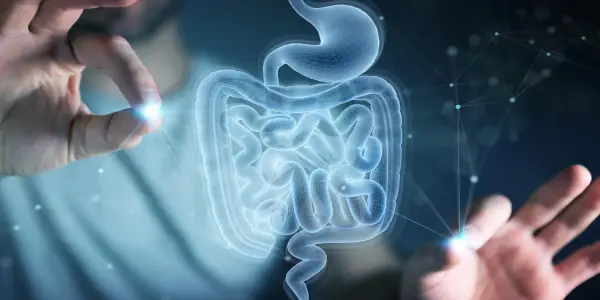
New findings from MIT reveal that the amino acid cysteine can significantly enhance the gut's self-repair mechanisms, potentially offering new treatment avenues for patients undergoing chemotherapy or radiation therapy.
In-depth analysis
Recent discoveries
Researchers at MIT have revealed that cysteine, an amino acid found in protein-rich foods, can significantly enhance gut healing. Experiments on mice demonstrated that a cysteine-rich diet activates immune cells, particularly CD8 T cells, which play a crucial role in tissue repair. This study highlights cysteine's unique potential in promoting intestinal regeneration.
Implications for public health
The findings suggest that incorporating cysteine into diets could offer a natural method to support gut health, particularly for cancer patients. This approach may reduce the gastrointestinal side effects associated with radiation and chemotherapy treatments.
Who is affected
Individuals undergoing cancer treatments, especially those experiencing intestinal damage from radiation or chemotherapy, stand to benefit significantly from this research. Additionally, the broader population interested in gut health may find dietary cysteine advantageous for overall well-being.
Potential future studies
Future research may explore cysteine's effects on tissue regeneration beyond the gut, including areas like hair follicles. Investigating the mechanisms behind cysteine's impact on various health conditions could yield valuable insights for therapeutic applications.
Did you know?
How this affects your health
Integrating cysteine-rich foods into your diet may offer a proactive approach to gut health, especially for those undergoing cancer treatments. This amino acid not only supports tissue repair but could also enhance immune response. Individuals may find that a focus on nutrition not only mitigates side effects but also fosters resilience in their recovery journey.
The scientific surprise
The study’s revelation that cysteine directly activates immune cells marks a pivotal shift in understanding gut health. It challenges prior assumptions by pinpointing a single nutrient's role in intestinal regeneration. This nuanced insight opens the door for targeted dietary interventions that could revolutionize recovery strategies for cancer patients.
The doctor and the patient: a personal story
Marcus, 34, from Chicago, sat nervously in his oncologist's office, grappling with the aftermath of aggressive chemotherapy. His doctor, Dr. Patel, suggested incorporating more cysteine-rich foods into his diet, emphasizing how they could aid his gut recovery. Skeptical but hopeful, Marcus embraced the change, adding chicken and lentils to his meals. Weeks later, he noticed a remarkable difference—less discomfort and a renewed energy. During a follow-up appointment, he shared his progress with Dr. Patel, who smiled, pleased to see how a simple dietary shift had such a profound impact on Marcus's healing journey.
Expert Commentary
Confirmed Tuberculosis Case Emerges at Aegis...

Davis County Reports First Measles Case Amid...

Long-Term Melatonin Use Linked to Increased Heart...

UK Launches Largest Prostate Cancer Screening...
Alzheimer's Disease May Originate from...

Loneliness Among Young Adults: A Growing Concern...

Food Preservatives Linked to Increased Cancer and...
Experts Warn of Potential Human Pandemic from...

Misdiagnosed Fatigue Leads to Late Diagnosis of...

Exploring the Health Benefits of Black Tea: Six...
Recent Study Raises Concerns About Fruits and...

How Diet Influences Body Odor and Attractiveness

Essential Nutrients for Brain Longevity: Insights...

Frequent Short Walks Outshine Long Morning...
Breakthrough Study Reveals Potential Pathway to...

Tennessee Investigates Histoplasmosis Cluster...

Concerns Rise as ACIP Meeting Set to Revisit...

The Unique Characteristics of the Sargasso Sea:...

Study Links Grey Hair to Body's Defense Against...
Harvard Study Uncovers Gut Molecules That May...

Pelvic Girdle Pain: The Hidden Challenge for One...

Evaluating Sweeteners: A Nutritionist's Insight...

Man's Experience with GLP-1 Medication Ends in...

UK Regulator Signals Major Overhaul for Rare...

New Study Suggests Walking as Few as 3,000 Steps...

Navigating Co-Parenting Challenges with AI...

Rising Lung Cancer Cases Among Non-Smokers...

Understanding Insomnia: A Habit That Can Worsen...

Golden Retriever's Hilarious Reaction to Late...

Timing of Cancer Treatments May Influence Patient...

Insights from Neurodivergent Adults on the Term...

Struggling with a Rare Disease, 25-Year-Old Woman...

New Research Suggests Increased Melanoma Risk...

Van Tulleken Brothers Debunk Three Common...
COVID-19 Resurgence: Current Trends and Symptoms...

Study Reveals Hidden Risks of Phthalates in...

Study Reveals Misinformation About Sunscreen...

Fit 31-Year-Old Shares Bowel Cancer Journey,...

New Study Questions Efficacy of Omega-3...