New Research Identifies Brain Protein as Potential Early Indicator of Alzheimer's Disease
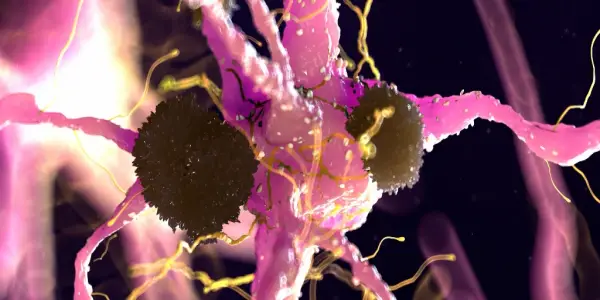
Researchers from Florida International University have discovered a brain protein linked to inflammation that could serve as an early warning sign for Alzheimer's disease, potentially leading to earlier interventions.
In-depth analysis
Recent discoveries
Researchers at Florida International University have identified elevated levels of the translocator protein (TSPO) in both mouse models and human brain tissue, suggesting it could serve as an early marker for Alzheimer's disease. This study reveals that increased TSPO levels appear in young mice, indicating potential early neuroinflammation linked to the disease's onset.
Implications for public health
The findings suggest that early detection of neuroinflammation via TSPO could significantly alter Alzheimer's disease management, potentially delaying symptoms and improving quality of life for patients.
Who is affected
Individuals with a genetic predisposition to early-onset Alzheimer's, particularly those in their 40s or 50s, are directly impacted by the study's findings. Additionally, the research highlights a gender disparity, with women showing higher TSPO levels, indicating a greater risk for developing the disease.
Potential future studies
Future research will explore the role of TSPO in sporadic Alzheimer's cases, which account for most diagnoses. Investigating the biomarker's potential for early detection and intervention will be crucial for improving patient outcomes.
Did you know?
How this affects your health
The identification of TSPO as a potential early marker for Alzheimer's disease could revolutionize preventative health strategies. By enabling earlier detection, individuals at risk may seek interventions or lifestyle changes sooner. This proactive approach could ultimately enhance quality of life, as managing neuroinflammation before symptoms manifest offers a promising pathway to delay progression and maintain cognitive function.
The scientific surprise
The significant findings regarding TSPO challenge the long-held notion that Alzheimer's is primarily a disease of old age. The early elevation of this protein in younger models suggests that neuroinflammation could begin much earlier than previously recognized, opening new avenues for research and potential therapies aimed at mitigating the disease long before cognitive decline is evident.
The doctor and the patient: a personal story
At 34, Marcus from Chicago always thought he had plenty of time before worrying about Alzheimer's. However, when his mother was diagnosed at 55, he began to feel the weight of his family history. During a routine check-up, his doctor discussed the latest research on TSPO and its implications for early detection. This sparked a profound sense of urgency in Marcus; he realized the importance of staying informed. Motivated by the possibility of early intervention, he began a lifestyle overhaul — adopting a brain-healthy diet and engaging in regular exercise. The thought of potentially delaying his mother's struggles gave him hope, transforming his anxiety into proactive steps toward a healthier future.
Expert Commentary

Insights on End-of-Life Care from Palliative...

Presidential Proclamation Marks National Breast...

Rising Lung Cancer Cases Among Non-Smokers...

Maine Faces Growing HIV Outbreak: Health...

New Research Links Mediterranean and Plant-Based...

How Your Dental Health Can Reflect Broader Health...

Understanding Dry Mouth: Insights from Dental...

Remembering Nicole Lynn Allenbaugh: A Life of...

Microscopic Chips Utilize Immune Cells to Target...

Dietary Fiber: A Key Component in Managing...

Study Links Soybean Oil to Obesity, Raising...

Chronic Fatigue as an Early Indicator of Heart...
Measles Outbreak in Buncombe County Linked to...

Florida Doctor's Office Linked to Hepatitis C...
New Research Identifies Brain Protein as...

Study Links Grey Hair to Body's Defense Against...

Experts Warn Against Potential Split of MMR...

Study Links COVID-19 mRNA Vaccine to Extended...

Experts Warn of Potentially Severe Flu Season...

Building Muscle After 60: A Practical Guide
Rising H3N2 Flu Variant Sparks Concerns Among...

Promising Research Offers Hope for Osteoporosis...

Misdiagnosed Fatigue Leads to Late Diagnosis of...

Understanding Delayed Autism Diagnoses: New...

Microplastics Linked to Atherosclerosis in Male...

Timing of Cancer Treatments May Influence Patient...

Breakthrough Study Reveals Potential Pathway to...

Eight Unique Hobbies Psychologists Recommend for...

Experts Warn of Potential Human Pandemic from...

Pet Vaccination Skepticism Rises Amid Growing...

Innovative 'Superfood' Supplement Aims to Bolster...

COVID-19 Resurgence: Current Trends and Symptoms...

Understanding Freshers' Flu: The Challenge for...

New Dietary Guidelines Highlight Kiwis and Rye...
New Study Challenges Effectiveness of Lecanemab...

New Experimental Drug Shows Potential in...

Chronic Wasting Disease Resurfaces in Florida,...

NHS Green Social Prescribing: A Path to Mental...

Chinese Doctors Report Successful 171-Day Pig...

Exploring Testosterone Enhancement: Natural...