Dietary RNA Molecules Show Promise in Promoting Healthier Aging
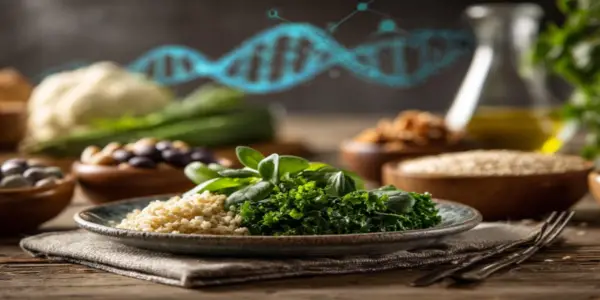
New research from the University of Basel reveals that dietary RNA molecules may enhance healthspan by protecting cells from aging-related damage and protein...
In-depth analysis
Recent discoveries
Researchers at the University of Basel have uncovered that specific dietary RNA molecules can significantly protect cells from protein aggregation, a major contributor to aging and age-related diseases. Their study, involving the nematode worm Caenorhabditis elegans, reveals that these double-stranded RNA molecules enhance cellular resilience and prevent harmful aggregates, offering insights into the molecular underpinnings of healthspan.
Implications for public health
This research highlights the potential for dietary interventions to influence aging and health outcomes. By understanding how specific dietary components can activate protective cellular responses, public health strategies may evolve to incorporate nutrition as a vital factor in promoting healthier aging.
Who is affected
The findings of this study may impact a broad demographic, particularly older adults who are at greater risk for age-related diseases like Alzheimer's and Parkinson's. Additionally, health professionals and nutritionists could utilize these insights to guide dietary recommendations for enhancing healthspan across various age groups.
Potential future studies
Future research should focus on elucidating the precise molecular mechanisms by which dietary RNA influences cellular aging. Additionally, studies could investigate the feasibility of integrating these dietary strategies into human diets to assess their effectiveness in promoting health and longevity.
Did you know?
How this affects your health
Understanding the link between diet and cellular aging can empower individuals to make informed nutritional choices. Incorporating foods rich in specific RNA molecules may enhance cellular resilience, potentially staving off age-related diseases. This knowledge not only fosters a proactive approach to health but also highlights the importance of quality nutrition in extending both lifespan and healthspan.
The scientific surprise
The discovery that dietary RNA can influence cellular aging marks a pivotal shift in how we view nutrition's role in health. This insight challenges the traditional focus on macronutrients alone, unveiling a deeper layer of molecular interaction that could transform dietary guidelines and therapeutic strategies aimed at combating age-related decline.
The doctor and the patient: a personal story
Marcus, 34, from Chicago, was diagnosed with early-stage Parkinson's disease. His doctor, Dr. Patel, suggested a diet rich in specific foods known to boost cellular health, including fermented vegetables and whole grains. Skeptical at first, Marcus decided to give it a try. Within weeks, he noticed a difference in his energy levels and overall mood. Inspired, he began sharing his journey online, advocating for a focus on nutrition alongside medical treatment. His story resonates with many who seek hope in managing chronic conditions through lifestyle changes, proving that even small dietary shifts can lead to meaningful improvements.
Expert Commentary

COVID-19 Resurgence: Current Trends and Symptoms...

Identifying Unconditional Love in Relationships:...
New Study Reveals Vitamin D2 Supplements May...

New Research Suggests Increased Melanoma Risk...

Research Reveals How Ozempic Affects Alcohol...
Four Everyday Beverages to Support Arterial...

Study Links Soybean Oil to Obesity, Raising...

Davis County Reports First Measles Case Amid...

Breakthrough Study Reveals Potential Pathway to...

Addressing the Testosterone Decline in Men: 15...

Exploring Testosterone Enhancement: Natural...

Fit 31-Year-Old Shares Bowel Cancer Journey,...

Ethiopia Reports Three Fatalities from Marburg...

NHS Green Social Prescribing: A Path to Mental...
Rising H3N2 Flu Variant Sparks Concerns Among...

Research Breakthrough: Peptide Prevents Toxic...

Pfizer's mRNA Flu Vaccine Shows Superiority Over...

Rising Lung Cancer Cases Among Non-Smokers...

Struggling with a Rare Disease, 25-Year-Old Woman...

Breakthrough Study Reveals Microscopic...
Three Foods Linked to Enhanced Heart Health and...

Misdiagnosed Fatigue Leads to Late Diagnosis of...
MIT Research Uncovers Cysteine's Role in Gut...

UK Launches Largest Prostate Cancer Screening...

Frequent Short Walks Outshine Long Morning...

Timing of Cancer Treatments May Influence Patient...

Experts Warn of Potentially Severe Flu Season...

Hawaii Officials Issue Warning Following...

Harvard Study Uncovers Gut Molecules That May...

Microplastics Linked to Atherosclerosis in Male...

CDC Revises Hepatitis B Vaccine Guidance for...

Pelvic Girdle Pain: The Hidden Challenge for One...

New Research Links Mediterranean and Plant-Based...
New Imaging Technique Unveils Brain's Pulsatile...

Insights on End-of-Life Care from Palliative...
Understanding Freshers' Flu: The Challenge for...

Pet Vaccination Skepticism Rises Amid Growing...

Fiji Faces Alarming Surge in HIV Cases Linked to...

Microscopic Chips Utilize Immune Cells to Target...

RFK Jr. Advocates for Enhanced Nutrition...