Study Reveals Non-Pharmacological Approaches as Superior Treatments for Knee Osteoarthritis
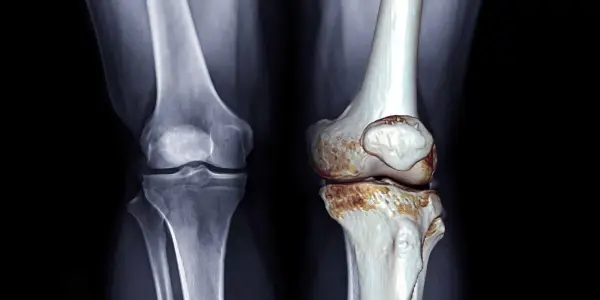
A new study reveals non-pharmacological treatments like knee braces and exercise programs offer superior relief for knee osteoarthritis compared to conventio...
In-depth analysis
Recent discoveries
Recent research has unveiled that non-pharmacological interventions, such as knee braces and structured exercise programs, can provide significant relief for knee osteoarthritis patients, often outperforming traditional medications. Analyzing data from thousands of patients, the study highlights the effectiveness of simpler, less risky therapeutic options in managing this degenerative joint disease.
Implications for public health
These findings suggest a paradigm shift in osteoarthritis management, favoring non-drug therapies over medications. This approach could enhance patient quality of life and reduce reliance on pharmaceuticals, potentially lowering healthcare costs associated with long-term drug use.
Who is affected
Knee osteoarthritis affects millions worldwide, with approximately 32 million adults in the United States experiencing this condition. The research particularly impacts older populations who may face adverse effects from traditional medications, highlighting the need for safer, effective treatment alternatives.
Potential future studies
Future research could explore the long-term effects of non-pharmacological treatments on knee osteoarthritis, as well as their impact on different demographics. Additionally, studies might investigate the integration of these therapies into standard clinical practices to optimize patient outcomes.
Did you know?
How this affects your health
The shift towards non-pharmacological interventions for knee osteoarthritis could have profound implications for your health. Emphasizing knee braces and structured exercise not only offers effective pain relief but also reduces reliance on medications that may cause harmful side effects, particularly in older adults. This approach promotes a more sustainable, long-term management strategy that supports mobility and overall well-being, allowing individuals to stay active and engaged in daily life.
The scientific surprise
The study's findings challenge long-held beliefs about treatment efficacy, revealing that simpler, more accessible therapies like knee bracing and hydrotherapy can outperform advanced technological solutions. This unexpected outcome suggests that innovative research methodologies like network meta-analysis can uncover valuable insights, prompting a reevaluation of clinical practices in managing knee osteoarthritis.
The doctor and the patient: a personal story
Marcus, 34, from Chicago, had always enjoyed an active lifestyle, but knee osteoarthritis turned his world upside down. After years of relying on NSAIDs, he felt trapped in a cycle of pain and fatigue. On a doctor’s recommendation, he tried a knee brace and joined a local hydrotherapy program. Within weeks, Marcus felt a shift. The brace provided the support he needed, while the warm water exercises eased his discomfort. He rediscovered joy in movement, from swimming to walking his dog in the park. Today, his outlook is brighter, and he often shares his story, encouraging others to explore non-drug alternatives.

The Challenge of Accessing Levodopa: A...

Microscopic Chips Utilize Immune Cells to Target...

Viagra Shows Potential to Address Genetic Hearing...

Gene Editing and Cholesterol: A Potential...

CDC Revises Hepatitis B Vaccine Guidance for...

The Case for a National Leucovorin Registry to...

How Diet Influences Body Odor and Attractiveness

New Government Initiative Aims to Map Human...

Confirmed Tuberculosis Case Emerges at Aegis...
New Study Challenges Effectiveness of Lecanemab...

Navigating Co-Parenting Challenges with AI...
Measles Outbreak in Buncombe County Linked to...

Davis County Reports First Measles Case Amid...

Breakthrough Study Reveals Microscopic...

Microplastics Linked to Atherosclerosis in Male...

Ethiopia Reports Three Fatalities from Marburg...

Study Links Grey Hair to Body's Defense Against...

COVID-19 Resurgence: Current Trends and Symptoms...

New Experimental Drug Shows Potential in...

Understanding the Recurrence of Urinary Tract...

Ethiopia Reports First Cases of Marburg Virus...

Experts Warn of Potentially Severe Flu Season...

Wilson Middle School Temporarily Shuts Down Due...

UK Launches Largest Prostate Cancer Screening...

FDA Removes Black Box Warnings on Hormone...

Addressing the Testosterone Decline in Men: 15...

Breakthrough Gel Offers Potential to Regrow Tooth...
Pet Vaccination Skepticism Rises Amid Growing...

Fit 31-Year-Old Shares Bowel Cancer Journey,...

Recent Study Raises Concerns About Fruits and...

Understanding Insomnia: A Habit That Can Worsen...

Neural Biomarkers of Food Cravings Impacted by...

Significant Number of CDC Vaccination Databases...

Understanding Muscle Growth: A Comprehensive Guide

Transformed Puppy Overcomes Severe Skin Condition...

Measles Exposure Alert Issued in Maryland and...

Food Preservatives Linked to Increased Cancer and...

Three Foods Linked to Enhanced Heart Health and...

Evaluating Sweeteners: A Nutritionist's Insight...