New Imaging Technique Unveils Brain's Pulsatile Blood Flow, Potentially Indicating Dementia Risk
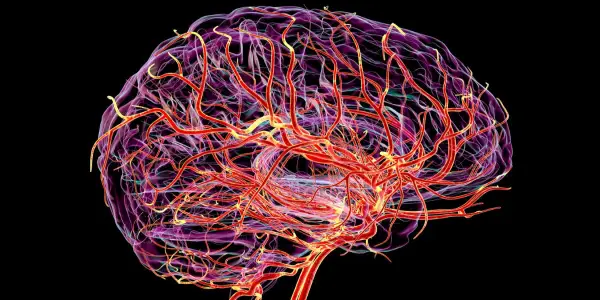
A groundbreaking imaging method allows for unprecedented mapping of blood vessel pulsations in the brain, offering insights into cognitive health and dementia.
In-depth analysis
Recent discoveries
Researchers at the University of Southern California, in collaboration with Siemens Healthcare, have developed a groundbreaking imaging technique that allows for the detailed mapping of blood vessel pulsations in the brain. This non-invasive method combines two MRI techniques to observe real-time changes in blood flow dynamics, enhancing understanding of the brain's vascular system.
Implications for public health
This research highlights the critical link between vascular health and cognitive decline, particularly as dementia rates rise globally. Improved understanding of these connections may lead to better diagnostic tools and interventions for at-risk populations.
Who is affected
Individuals across a wide age range, from their 20s to 70s, are impacted by the findings of this study. As the brain's microvascular system deteriorates with age, the risk of cognitive impairment increases, particularly concerning conditions like Alzheimer's disease.
Potential future studies
Future research could focus on elucidating the mechanisms behind vascular changes observed in the brain. Investigating these dynamics further may provide insights into preventative measures and treatments for dementia-related conditions.
Did you know?
How this affects your health
The new imaging technique highlights the crucial role of vascular health in maintaining cognitive function. By tracking blood vessel pulsations, individuals can gain insights into their own brain health. Early detection of vascular changes may allow for proactive measures, such as lifestyle adjustments or medical interventions, potentially delaying the onset of dementia and enhancing overall brain resilience.
The scientific surprise
Researchers were taken aback by the rapid acceleration of blood flow in deep white matter as age increased. This unexpected finding challenges existing theories about vascular stability and suggests that age-related changes in the cerebrovascular system could be more dynamic than previously thought, opening new avenues for studying cognitive decline.
The doctor and the patient: a personal story
Marcus, 34, from Chicago, had always prided himself on his sharp memory and quick thinking. However, after his father was diagnosed with Alzheimer's, he became acutely aware of his own cognitive health. During a routine check-up, his neurologist introduced him to the new imaging technique. Watching the pulsations of his brain's blood vessels on the screen, Marcus felt a wave of anxiety mixed with hope. If this innovation could help him take preventive measures, he was willing to embrace the change. The experience deepened his resolve to lead a healthier lifestyle, sparking a newfound appreciation for the intricate connection between his vascular health and cognitive well-being.
Expert Commentary

UK Regulator Signals Major Overhaul for Rare...

Pet Vaccination Skepticism Rises Amid Growing...

The Impact of Gut Health on Menopause Symptoms:...

Exploring the Health Benefits of Black Tea: Six...

Measles Exposure Alert Issued in Maryland and...
Gene Editing and Cholesterol: A Potential...

Understanding the Recurrence of Urinary Tract...

Remembering Nicole Lynn Allenbaugh: A Life of...

MIT Research Uncovers Cysteine's Role in Gut...

Ethiopia Reports Three Fatalities from Marburg...

Davis County Reports First Measles Case Amid...

Study Reveals Hidden Risks of Phthalates in...

Florida Health Department Proposes Repeal of...

Navigating Co-Parenting Challenges with AI...

COVID-19 Resurgence: Current Trends and Symptoms...

Essential Nutrients for Brain Longevity: Insights...

CDC Revises Hepatitis B Vaccine Guidance for...

Timing of Cancer Treatments May Influence Patient...

Evaluating Sweeteners: A Nutritionist's Insight...

Pelvic Girdle Pain: The Hidden Challenge for One...


Newly Discovered Antibiotic Shows Potential...

Study Reveals Misinformation About Sunscreen...

Tennessee Investigates Histoplasmosis Cluster...

Harvard Study Uncovers Gut Molecules That May...

New Study on Hormonal Contraceptives and Breast...

Study Links Blood Caffeine Levels to Body Fat and...

Breakthrough Gel Offers Potential to Regrow Tooth...

Recent Study Raises Concerns About Fruits and...

Struggling with a Rare Disease, 25-Year-Old Woman...

Maine Faces Urgent HIV Crisis as Federal...

Genetic Mutations in Sperm Increase with Age,...

Florida Doctor's Office Linked to Hepatitis C...

Microplastics Linked to Atherosclerosis in Male...

The Surge of Weight-Loss Medications in India: A...

Engaging in Creative Activities Linked to Younger...

Viagra Shows Potential to Address Genetic Hearing...

Post-Pandemic Trends: Low Rates of STDs and Flu...

New Study Questions Efficacy of Omega-3...

New Research Links Mediterranean and Plant-Based...