Innovative Brain Mapping Links Vision and Touch, Enhancing Understanding of Sensory Processing
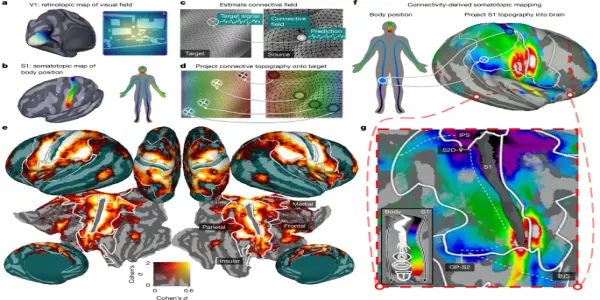
Recent research reveals a novel brain organization that integrates visual and tactile information, potentially reshaping our understanding of sensory perception and cognitive functions.
In-depth analysis
Recent discoveries
The study published in *Nature* reveals how the human brain integrates visual and tactile information, utilizing advanced fMRI techniques. By analyzing brain activity through high-resolution imaging, researchers identified critical connections between sensory cortices, enhancing understanding of how sensory data is transformed into coherent actions and cognitive functions.
Implications for public health
These findings could significantly inform therapeutic approaches for sensory processing disorders, potentially leading to improved interventions and support systems for affected individuals.
Who is affected
Individuals with sensory processing disorders, including those with autism or other neurodevelopmental conditions, may benefit from insights gained in this research. Additionally, educators and therapists working with diverse populations could also be impacted by the study's implications.
Potential future studies
Future research could explore the specific mechanisms behind sensory integration, examining how different populations respond to multisensory stimuli. Investigating the long-term effects of enhanced sensory processing on cognitive development may also be a promising avenue.
Did you know?
How this affects your health
Understanding the interplay between visual and tactile information has profound implications for health, particularly for those with sensory processing disorders. Insights from this study could lead to improved therapies that enhance how individuals interpret sensory data, potentially alleviating challenges in daily life. By tailoring interventions based on these findings, clinicians can foster better communication and interaction skills in patients, ultimately promoting overall well-being.
The scientific surprise
A noteworthy revelation from this study is the extent to which visual and tactile inputs are integrated in the brain. While previous research hinted at their connection, this study quantifies the relationship, suggesting a more sophisticated network of sensory processing than previously understood. This could reshape future research directions, focusing on how these interactions influence cognitive functions beyond simple perception.
The doctor and the patient: a personal story
Marcus, 34, from Chicago, has always struggled with sensory overload. Even the slightest touch or bright light could send him into a spiral of anxiety. After hearing about the recent study on sensory integration, he sought help from Dr. Lee, a neurologist specializing in sensory processing disorders. Together, they explored tailored therapies that focused on integrating visual and tactile experiences. During their sessions, Marcus began to feel empowered; the new techniques helped him navigate crowded places without becoming overwhelmed. One day, while attending a friend's wedding, he felt the warmth of the sun on his skin and the laughter of friends around him, finally able to enjoy the moment without his usual unease. This journey not only improved his daily life but also deepened his connection with those around him.
Exploring the Health Benefits of Black Tea: Six...

Struggling with a Rare Disease, 25-Year-Old Woman...

Recent Study Raises Concerns About Fruits and...

Experts Warn of Potentially Severe Flu Season...

Study Links Grey Hair to Body's Defense Against...

New Research Links Mediterranean and Plant-Based...

Viagra Shows Potential to Address Genetic Hearing...

Davis County Reports First Measles Case Amid...

The Surge of Weight-Loss Medications in India: A...
Navigating Co-Parenting Challenges with AI...

The Case for a National Leucovorin Registry to...

The Unique Characteristics of the Sargasso Sea:...

Understanding Insomnia: A Habit That Can Worsen...


Pelvic Girdle Pain: The Hidden Challenge for One...
Long-Term Melatonin Use Linked to Increased Heart...

Confirmed Tuberculosis Case Emerges at Aegis...

Prisma Health Implements Temporary Restrictions...
Ethiopia Reports First Cases of Marburg Virus...

Addressing the Testosterone Decline in Men: 15...
Potential of mRNA Technology in Medicine Faces...
New Experimental Drug Shows Potential in...
Essential Nutrients for Brain Longevity: Insights...

Breakthrough Gel Offers Potential to Regrow Tooth...

Study Links Blood Caffeine Levels to Body Fat and...

Pfizer's mRNA Flu Vaccine Shows Superiority Over...
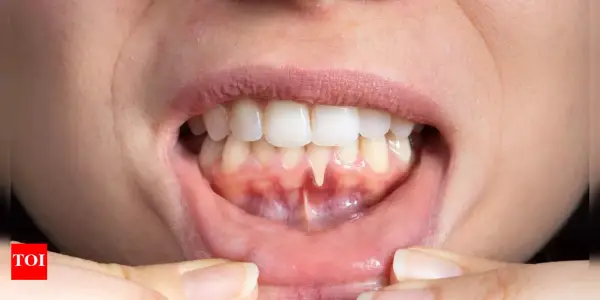
How Your Dental Health Can Reflect Broader Health...

New Study Suggests Walking as Few as 3,000 Steps...
New Research Challenges Assumptions About...
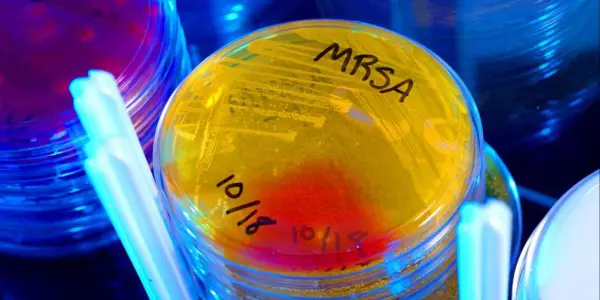
Newly Discovered Antibiotic Shows Potential...

Daily Walking Linked to Reduced Alzheimer’s Risk,...

Florida Health Department Proposes Repeal of...
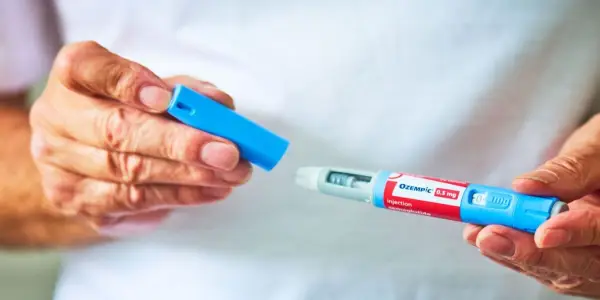
Study Links GLP-1 Medications Such as Ozempic to...

Transformed Puppy Overcomes Severe Skin Condition...

Van Tulleken Brothers Debunk Three Common...
Gene Editing and Cholesterol: A Potential...


Understanding the Recurrence of Urinary Tract...

COVID-19 Resurgence: Current Trends and Symptoms...

Breakthrough Study Reveals Potential Pathway to...