Trump Mandates Divestiture of Computer Chip Deal Amid Security Concerns
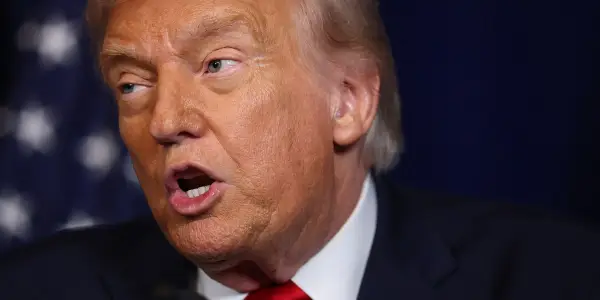
WASHINGTON — President Donald Trump has ordered the dissolution of a $2.9 million computer chip agreement, citing potential threats to U.S. national security posed by the current ownership of the technology by HieFo Corp.
In-depth analysis
Why this matters
Business news informs investment decisions and corporate strategies.
Real-world use case
Investors track stock trends and market forecasts quickly through curated summaries.
Comparison
Manual market tracking is slow; summaries allow faster, informed decisions.
Limits / risks
Markets fluctuate rapidly; past summaries may not predict future movements.
Did you know?
What this means for your wallet
The unwinding of the HieFo deal could have ripple effects across the tech industry, potentially leading to increased costs for consumers. Companies may face higher expenses as they navigate regulatory hurdles, which could be passed on to buyers through elevated prices for tech products. Additionally, this heightened scrutiny might stifle innovation, as companies may become more hesitant to invest in research or new technologies, ultimately impacting market competitiveness and consumer choices.
What analysts aren't telling you
Many analysts overlook that over 60% of semiconductor manufacturing capacity in the U.S. is currently under foreign ownership. This statistic underscores the fragility of the U.S. tech supply chain and the potential vulnerabilities in national security, raising questions about the effectiveness of existing regulations in safeguarding critical technologies.
One person's journey
Marcus, 34, from Chicago, works in IT and has always been passionate about technology. When he heard about the HieFo deal, his thoughts immediately turned to his job. He recalled how the company had recently integrated advanced chips into their systems, which improved efficiency dramatically. However, with the news of the deal's unwinding, he felt a wave of anxiety. What would happen to the innovations he relied on daily? With increasing scrutiny on foreign tech, Marcus wonders if his job will be impacted as companies become more conservative. For him, this isn't just an industry issue; it's a personal stake in the future of technology.

Target Kicks Off Black Friday 2025 Sales with...
Amazon Begins Disbursing Refunds Following $2.5...

CISA and NSA Urge Immediate Action to Secure WSUS...
Amazon Thwarts 1,800 Job Applications Linked to...
Upcoming Social Security COLA Adjustments: What...

Sonder Faces Backlash as Guests Evicted Amid...
Dutch Authorities Halt Intervention in Nexperia...

Former Hospital Executive Accused of...
Amazon Announces 700 Job Cuts in New York City...

The Rise of AI Influencers: A New Era in Social...

Meta Platforms Poised for Significant Stock Split...

Analyzing the Forbes Under 30 Class of 2026: A...
Mark Zuckerberg's Wealth Takes a Hit as Meta...

Debunking Dental Myths: Insights from Experts on...

FAA Probes Near-Miss Incident Involving Delta and...

October Sees Modest Rise in Existing-Home Sales...

Zipcar to Cease UK Operations Amid Operational...

Extended Cyber Monday Offers Still Available: Top...
Starbucks Faces Labor Strikes Amid Turnaround...
Miami Waitress Arrested for Allegedly Using...

BHP Revives Acquisition Interest in Anglo...

Starbucks Stock Rises Amid Calls for Boycott by...
Waymo Expands Autonomous Taxi Services to Include...
Palantir's CEO Defends Company Against...

Michael Burry Takes Bearish Position on Nvidia...
Federal Reserve's December Interest Rate Decision...
AMD Announces Record Revenue in Third Quarter...
Hollywood Heavyweights Urge Congress to Block...

The Implications of the US Phasing Out the Penny
USPS Chief Advocates for Revenue Growth Amid...

Chase Named New Issuer for Apple Card

After a $532 Million Business Sale, Millennial...
New State Laws Enhance Transparency Around AI Use...

McLean Resident Sentenced to Nearly Two Years for...

MacKenzie Scott's Philanthropic Impact: Over $19...

Tesla Plans Subscription Price Hike for Full...
Trump's Appointment of Warsh as Fed Chair...

Unprecedented Early Black Friday Discounts on...

UK Introduces Pay-Per-Mile Tax for Electric...