Long Island Rail Road Strike Concludes as MTA and Unions Finalize Agreement
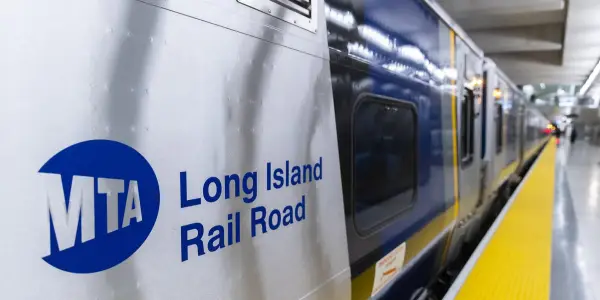
The MTA and LIRR unions have reached a tentative agreement to end a three-day strike, restoring service for thousands of commuters.
In-depth analysis
Market overview
The conclusion of the Long Island Rail Road strike marks a significant moment for the commuter rail market in New York, which serves around 300,000 riders daily. The resolution brings relief to thousands of commuters who faced disruptions and highlights the ongoing challenges within the labor landscape of public transportation. The MTA's swift response aims to restore normalcy in service.
Key business trends
Labor disputes in transportation are becoming more prevalent as workers demand better pay and conditions. This trend reflects broader economic pressures and the rising cost of living that are prompting unions to take a stand.
Impact on companies
The LIRR strike disrupted operations and caused significant inconvenience for commuters, leading to increased costs for alternative transportation. The MTA's contingency plans, including shuttle services, aimed to mitigate these impacts, but the overall service disruption highlighted vulnerabilities in the rail system's operational resilience.
Future projections
Looking ahead, the focus will be on the ratification of the new agreement and its implications for labor relations within the MTA. Continued negotiations may shape the future of commuter services, especially as economic pressures persist.
Did you know?
What this means for your wallet
The end of the LIRR strike brings relief to commuters who faced rising transportation costs during the disruption. While the new agreement grants salary increases to workers, it notably avoids fare hikes, which is crucial for riders already grappling with inflation. For daily commuters, this means a reprieve from additional financial burdens, allowing them to budget more effectively for their monthly expenses.
What analysts aren't telling you
Many analysts overlook that the LIRR strike was not just about immediate pay raises; it highlighted long-standing issues in the labor market, including worker burnout and the need for improved safety measures. The agreement could set a precedent for upcoming negotiations in other sectors facing similar challenges.
One person's journey
Marcus, 34, from Chicago, relies on the LIRR to commute to his job in Manhattan. During the strike, he felt the pressure mounting as he scrambled to find alternative transportation, spending nearly double on rideshares. The frustration of daily delays left him anxious, impacting his work performance. Now that the strike is over, Marcus is hopeful that the new agreement will not only stabilize his commute but also bring much-needed improvements to the working conditions of train staff. His relief is palpable as he returns to the familiar rhythm of his morning rides.
Expert Commentary
December 2025 SSI Payment Schedule Confirmed by...

Trump's Appointment of Warsh as Fed Chair...

Campbell's Dismisses Executive Following...
Rising Gas Prices in Illinois Linked to...
Analyst Highlights Palantir as a Leader in...

Meta to Block Access for Australians Under 16 on...
Palantir's CEO Defends Company Against...

Super Micro Faces Decline in Stock Following...
Federal Reserve's December Interest Rate Decision...

Google Takes Legal Action Against Text Scammers,...
Transportation Secretary Duffy's Dress Code...

The Implications of the US Phasing Out the Penny
Insurers Seek Exemptions for AI-Related...

Michael Dell Highlights Key Aspects of Elon...

October Sees Modest Rise in Existing-Home Sales...

Verizon Announces Major Workforce Reductions,...


Target Kicks Off Black Friday 2025 Sales with...

Pennsylvania Electric Rates Set to Rise December 1

Microsoft's Strategic Bet on OpenAI: A Risky Move...

AMD Announces Record Revenue in Third Quarter...

MacKenzie Scott's Philanthropic Impact: Over $19...
Proposed Bill Aims to Increase Social Security...

Analyzing the Forbes Under 30 Class of 2026: A...
Walmart Emerges as Key Player in Addressing...


Norway's Sovereign Wealth Fund Rejects Musk's...

BCBS Class Action Settlement 2025: Key Details on...
Amazon Begins Disbursing Refunds Following $2.5...
Roblox Enhances Child Safety by Blocking Adult...

The Uncertain Fate of the Trump Phone: Delays and...
Chick-Fil-A Launches Chicken & Waffles Sandwich...

After a $532 Million Business Sale, Millennial...
Hollywood Heavyweights Urge Congress to Block...

Amazon Announces 700 Job Cuts in New York City...

Trump's Executive Order Targets Proxy Advisory...

McLean Resident Sentenced to Nearly Two Years for...
CFPB Plans Workforce Furloughs and Case Transfers...
Starbucks Faces Labor Strikes Amid Turnaround...

Cautionary Insights from Billionaire Entrepreneur...