Asian Markets Rally as US and Iran Reach Agreement to End Hostilities

Asian stock markets rise sharply following a US-Iran deal to cease hostilities and reopen the Strait of Hormuz, impacting global oil prices.
In-depth analysis
Market overview
Stock markets in the Asia Pacific region experienced a significant rally on Monday, propelled by a new agreement between the United States and Iran aimed at reducing Middle Eastern hostilities. The Nikkei index surged by 5 percent, while South Korea's Kospi followed suit with a similar increase. Taiwan's Taiex and the Australian Securities Exchange also posted gains, reflecting heightened investor confidence.
Key business trends
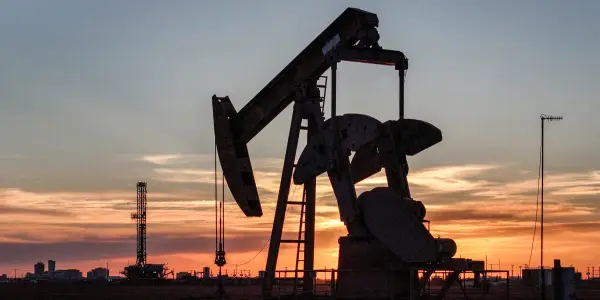
The energy sector saw immediate repercussions, with Brent crude prices dropping approximately 4 percent. This decline indicates a shift in market sentiment, as investors anticipate increased oil supply following the geopolitical agreement.
Impact on companies
Companies reliant on stable oil prices may benefit from the recent agreement, as the potential for increased supply could stabilize market conditions. However, logistical challenges and regional threats may hinder immediate recovery, necessitating careful navigation for affected businesses.
Future projections
Experts project that while the agreement may initially boost market confidence, full stabilization of energy flows could take months or even over a year. Ongoing monitoring of geopolitical developments will be crucial for understanding the long-term implications for global oil supply.
Did you know?
What this means for your wallet
The recent agreement between the US and Iran could lead to lower oil prices, which might ease the financial burden on consumers and businesses alike. With Brent crude dipping below $80 per barrel, expect potential savings at the pump. Additionally, stock market gains in the Asia Pacific may inspire investor confidence, possibly translating to economic stability and better returns on investments.
What analysts aren't telling you
Many analysts overlook that the Strait of Hormuz handles about 20% of the world's oil supply. A significant reopening could not only stabilize prices but also shift global energy dynamics, impacting nations far beyond the Middle East.
One person's journey
Marcus, 34, from Chicago, works as a logistics coordinator for an international shipping firm. The uncertainty around Middle Eastern tensions had kept him on edge, fearing disruptions in supply lines. When he heard about the US-Iran agreement, he felt a wave of relief wash over him. For Marcus, lower oil prices mean less stress about rising shipping costs, and he can now plan a long-awaited family vacation. His daughter has been asking to visit the Grand Canyon, and thanks to this deal, that dream might finally become a reality.
Expert Commentary
NASA's Jet Propulsion Laboratory to Lay Off 550...
Hartsfield-Jackson Atlanta International Airport...
Two Promising S&P 500 Dividend Stocks Trading at...

Warner Bros. Discovery Turns Down Paramount...

Amazon Thwarts 1,800 Job Applications Linked to...
China's New Rare Earth Export Controls Ignite...

Microsoft's Strategic Bet on OpenAI: A Risky Move...

Shein Faces Legal Scrutiny in France Over...
Federal Reserve's December Interest Rate Decision...

Meta Platforms Poised for Significant Stock Split...

Standard Chartered Predicts End of Bitcoin...

Major Players in AI Infrastructure See...

Transportation Secretary Duffy's Dress Code...

Waymo Expands Autonomous Taxi Services to Include...

Rivian's R2 SUV Aims to Compete with Tesla's...

Federal Employees Share Shutdown Experiences on...

CISA and NSA Urge Immediate Action to Secure WSUS...
Supply Chain Challenges and Rising Equipment...

Pfizer May Seek Political Leverage in $8.5...

Cyberattack Disrupts Emergency Alert Systems...

UK Introduces Pay-Per-Mile Tax for Electric...

Starbucks Stock Rises Amid Calls for Boycott by...

Unprecedented Early Black Friday Discounts on...

Trump's Executive Order Targets Proxy Advisory...

Black Friday 2025: A Mixed Bag for Retailers Amid...

USPS Chief Advocates for Revenue Growth Amid...

Michael Dell Highlights Key Aspects of Elon...

Trump's Proposed 100% Tariffs on China Ignite $18...
Oil Prices Plummet as Stock Markets Rally Amid...

Trump's Pardon of Binance Founder Raises Ethical...

Biden's TikTok Decision: A Potential Political...

Goldman Sachs Forecasts $8 Trillion Opportunity...

Beta Technologies Launches Successful $1 Billion...

The Remarkable Rise of Leopold Aschenbrenner:...

Netflix Launches 10-for-1 Stock Split Amid...

McLean Resident Sentenced to Nearly Two Years for...

New State Laws Enhance Transparency Around AI Use...

After a $532 Million Business Sale, Millennial...

AMD Announces Record Revenue in Third Quarter...

Amazon's Partnership with OpenAI Boosts Jeff...