Federal Reserve's December Interest Rate Decision Faces Uncertainty Amid Job Market Data
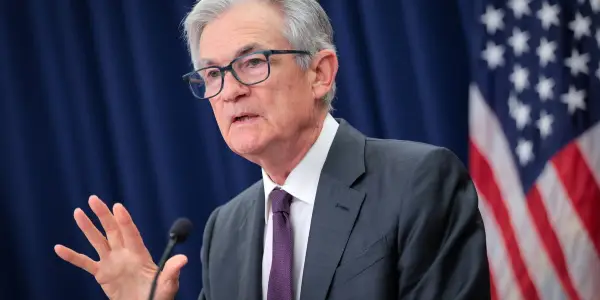
The Federal Reserve's December interest rate decision faces uncertainty as job market data shifts expectations, reducing the likelihood of a rate cut to 30%.
In-depth analysis
Market overview
The Federal Reserve's anticipated interest rate decision in December faces increasing complexity due to recent employment data. Initially, analysts expected a rate cut, but current forecasts suggest the Fed may maintain rates, reflecting a significant shift in market sentiment as the probability of a cut drops to around 30%.
Key business trends
Recent employment reports indicate robust job growth, prompting a reevaluation of monetary policy expectations. Analysts are adjusting their forecasts as the Fed's dual mandate of managing inflation and unemployment remains under scrutiny amidst fluctuating economic indicators.
Impact on companies
A decision to pause rate cuts could lead to higher borrowing costs for consumers, particularly affecting sectors like housing and automotive. This scenario may reinforce public concerns about living costs, thereby influencing consumer spending and overall economic activity.
Future projections
As the Federal Reserve assesses ongoing labor market conditions, future rate cuts may hinge on emerging economic data. Analysts suggest that if job market weaknesses persist, the central bank could consider resuming cuts in January.
Did you know?
What this means for your wallet
With the possibility of interest rates remaining stable, consumers can expect their borrowing costs to stay elevated. This is particularly significant for those looking to secure loans for homes or vehicles. Higher rates mean more interest paid over time, which can strain budgets. Individuals planning major purchases in the coming months should be prepared for these financial implications.
What analysts aren't telling you
Despite the prevailing narrative around potential rate cuts, a lesser-known factor is that the Fed's decisions often lag behind economic indicators. This means that even if the job market shows signs of weakness, it might take several months before the Fed reacts, potentially missing timely opportunities for intervention.
One person's journey
Marcus, 34, from Chicago, recently faced a tough decision regarding his first home purchase. After months of searching, he thought he could secure a lower mortgage rate with anticipated cuts. However, as news of the Fed's potential pause circulated, he felt uncertainty creeping in. The thought of higher monthly payments weighed heavily on him. Ultimately, he decided to wait, hoping for clarity in the upcoming meetings, but the emotional rollercoaster had already taken a toll on his excitement about homeownership.

Cautionary Insights from Billionaire Entrepreneur...
Rising Gas Prices in Illinois Linked to...
Upcoming Social Security COLA Adjustments: What...
Bank of America Settles $72.5 Million with...

U.S. Retailers Face Penny Shortage as Minting...

Microsoft's Strategic Bet on OpenAI: A Risky Move...

Norway's Sovereign Wealth Fund Rejects Musk's...

Jim Beam Suspends Production at Key Kentucky...


AMD Announces Record Revenue in Third Quarter...

Amazon Thwarts 1,800 Job Applications Linked to...
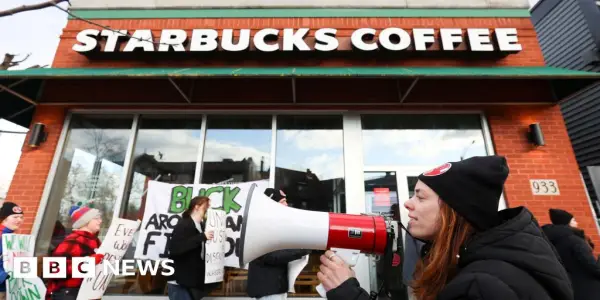
Starbucks Faces Labor Strikes Amid Turnaround...

Palantir's CEO Defends Company Against...

Transportation Secretary Duffy's Dress Code...
Governor Barr Addresses Banking Supervision...
Two Promising S&P 500 Dividend Stocks Trading at...

Google Takes Legal Action Against Text Scammers,...

Moltbook Database Vulnerability Exposes AI Agents...

Mark Zuckerberg's Wealth Takes a Hit as Meta...
Chick-Fil-A Launches Chicken & Waffles Sandwich...

BHP Revives Acquisition Interest in Anglo...

FAA Probes Near-Miss Incident Involving Delta and...

Westinghouse Announces Ambitious Nuclear Reactor...

Analyzing the Forbes Under 30 Class of 2026: A...

Standard Chartered Predicts End of Bitcoin...

Dutch Authorities Halt Intervention in Nexperia...

McLean Resident Sentenced to Nearly Two Years for...
BCBS Class Action Settlement 2025: Key Details on...

Miami Waitress Arrested for Allegedly Using...

Black Friday 2025: Real-Time Sales Updates from...
Federal Reserve's December Interest Rate Decision...

Amazon's Job Cuts: A 14,000-Strong Reduction...

Oil Prices Plummet as Stock Markets Rally Amid...

Pennsylvania Electric Rates Set to Rise December 1

Trump's Pardon of Binance Founder Raises Ethical...
December 2025 SSI Payment Schedule Confirmed by...

Anthropic Unveils Enhanced Opus 4.5 Model,...

Japan's Ambitious Plan to Transform Hokkaido into...

Trump's Appointment of Warsh as Fed Chair...

Walmart Emerges as Key Player in Addressing...