Miami Waitress Arrested for Allegedly Using Fraudulent Income Claims to Purchase Luxury Vehicles
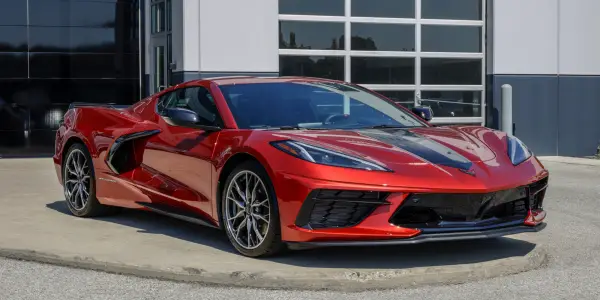
A Miami waitress faces multiple felony charges after allegedly claiming $180,000 monthly income to finance luxury cars, including a Corvette and Mercedes.
In-depth analysis
Market overview
The recent arrest of Flor Dunia Sierra for financial fraud has spotlighted vulnerabilities within the auto financing sector. Her case illustrates a troubling trend where deceptive practices are employed to secure loans for luxury vehicles, raising concerns about the integrity of financial transactions in the automotive industry.
Key business trends
The rise of coordinated fraud schemes, often involving multiple parties, is increasingly prevalent in auto financing. Experts note that the use of 'straw buyers' complicates the detection of fraudulent activities, posing challenges for financial institutions.
Impact on companies
Sierra's case has significant implications for auto dealerships and financing companies, as it raises critical questions about their verification processes. The incident may prompt a reevaluation of practices to safeguard against fraud and ensure the integrity of the financing system.
Future projections
As the automotive market evolves, heightened scrutiny and stricter regulations are expected in response to fraud cases like Sierra's. Stakeholders will likely need to implement more robust measures to combat fraudulent activities and protect the industry's reputation.
Did you know?
What this means for your wallet
The fallout from Sierra's alleged fraud could tighten lending practices and increase scrutiny on auto loans. Consumers may face higher interest rates or stricter approval processes, making financing a car more challenging. If lenders ramp up their verification methods, borrowers with legitimate claims might experience delays or added costs, putting a strain on those trying to navigate an already complicated market.
What analysts aren't telling you
The average auto loan default rate increased by 5% last year, a statistic that highlights the rising risk in the auto financing market. Analysts often focus on broader economic indicators but overlook the growing trend of financing fraud, which can exacerbate the instability of loan portfolios for lenders.
One person's journey
Marcus, 34, from Chicago, was excited about buying his first car after years of saving. When he applied for a loan, he was met with intense scrutiny, largely due to rising fraud cases like Sierra's. Despite having a solid income and good credit, he faced numerous hurdles, with lenders tightening their criteria. Frustrated but determined, Marcus finally secured a loan, but the experience left him feeling anxious about the trustworthiness of the financing process. His journey reflects the growing challenges honest borrowers face in an increasingly suspicious auto market.
Expert Commentary
Starbucks Faces Labor Strikes Amid Turnaround...
Fact Check: Trump's Misstatements on Inflation...
Analyst Highlights Palantir as a Leader in...
Federal Reserve's December Interest Rate Decision...

Proposed Bill Aims to Increase Social Security...

Norway's Sovereign Wealth Fund Rejects Musk's...
Amazon's Partnership with OpenAI Boosts Jeff...

AMD, Cisco, and HUMAIN Launch Joint Venture to...
Potential $200 Monthly Increase in Social...

Unprecedented Early Black Friday Discounts on...

Campbell's Dismisses Executive Following...

AMD Announces Record Revenue in Third Quarter...

U.S. Retailers Face Penny Shortage as Minting...

Black Friday 2025: Real-Time Sales Updates from...
Cautionary Insights from Billionaire Entrepreneur...

New State Laws Enhance Transparency Around AI Use...

Trump's Appointment of Warsh as Fed Chair...

Sonder Faces Backlash as Guests Evicted Amid...

MacKenzie Scott's Philanthropic Impact: Over $19...

Target Kicks Off Black Friday 2025 Sales with...

Japan's Ambitious Plan to Transform Hokkaido into...
Saks OFF 5TH to Close Majority of Stores Amid...
Amazon's Job Cuts: A 14,000-Strong Reduction...

Delay in TikTok Sale Leaves US Investors Uncertain

Starbucks Stock Rises Amid Calls for Boycott by...

Optimal Locations for Future US Data Centers...
Standard Chartered Predicts End of Bitcoin...

Chase Named New Issuer for Apple Card

Debunking Dental Myths: Insights from Experts on...
Supply Chain Challenges and Rising Equipment...
Palantir's CEO Defends Company Against...

Super Micro Faces Decline in Stock Following...
Netflix Launches 10-for-1 Stock Split Amid...

Meta to Block Access for Australians Under 16 on...
Wendy's to Shut Down Hundreds of U.S. Locations...
Hollywood Heavyweights Urge Congress to Block...

Extended Cyber Monday Offers Still Available: Top...

McLean Resident Sentenced to Nearly Two Years for...

October Sees Modest Rise in Existing-Home Sales...
Bank of America Settles $72.5 Million with...