Subaru Issues Recall for Over 540,000 SUVs Due to Weight Label Error

Subaru recalls over 540,000 SUVs, including Ascent, Forester, and Crosstrek models, due to incorrect weight labels that may lead to accidents.
In-depth analysis
Market overview
Subaru's recent recall of over 541,000 SUVs, including the Ascent, Forester, and Crosstrek, reflects ongoing challenges in the automotive industry regarding compliance with safety standards. This incident highlights the critical role of accurate labeling in ensuring vehicle safety, as companies navigate regulatory pressures and consumer expectations.
Key business trends
The recall illustrates a broader trend of increasing scrutiny on automotive manufacturers regarding safety compliance. As regulatory bodies tighten standards, companies are compelled to enhance their quality control processes to avoid similar issues.
Impact on companies
This recall could negatively affect Subaru's brand reputation and consumer trust, particularly as safety concerns gain prominence in the automotive market. The company must address these challenges swiftly to mitigate potential financial repercussions and maintain customer loyalty.
Future projections
Looking ahead, Subaru may need to invest significantly in quality assurance and compliance systems to prevent future recalls. The emphasis on safety will likely shape the automotive landscape, prompting manufacturers to prioritize rigorous testing and accurate labeling.
Did you know?
What this means for your wallet
With over half a million Subaru owners affected, this recall may prompt some unexpected expenses for drivers. While Subaru will cover the cost of the new labels and installation, owners should consider potential indirect costs, such as the need for additional trips to the dealership or possible downtime without their vehicle. Staying vigilant about weight limits can also prevent future accidents and costly repairs.
What analysts aren't telling you
Interestingly, the NHTSA's intervention in this case is not uncommon; nearly 20% of vehicle recalls in the past year have been related to labeling inaccuracies. This statistic highlights a broader issue within the automotive industry regarding compliance and consumer safety.
One person's journey
Marcus, 34, from Chicago, was excited to take his family on a camping trip in his Subaru Ascent. The night before they left, he carefully packed the car, aiming to maximize space for his wife and two kids. After receiving the recall notice, he felt a wave of anxiety wash over him. Questions flooded his mind: Did he overload the vehicle? Would they be safe on their adventure? The weight limit confusion forced him to rethink his plans and prioritize family safety over spontaneity, turning what was supposed to be a joyful getaway into a lesson on vigilance and responsibility.
Expert Commentary

The Implications of the US Phasing Out the Penny
Starbucks Faces Labor Strikes Amid Turnaround...

New State Laws Enhance Transparency Around AI Use...
After a $532 Million Business Sale, Millennial...

BCBS Class Action Settlement 2025: Key Details on...

BHP Revives Acquisition Interest in Anglo...
Jim Beam Suspends Production at Key Kentucky...

Pfizer May Seek Political Leverage in $8.5...

Waymo Expands Autonomous Taxi Services to Include...

Anthropic Unveils Enhanced Opus 4.5 Model,...

USPS Chief Advocates for Revenue Growth Amid...
Saks OFF 5TH to Close Majority of Stores Amid...
Starbucks Stock Rises Amid Calls for Boycott by...

Amazon Announces 700 Job Cuts in New York City...

Dutch Authorities Halt Intervention in Nexperia...

U.S. Retailers Face Penny Shortage as Minting...
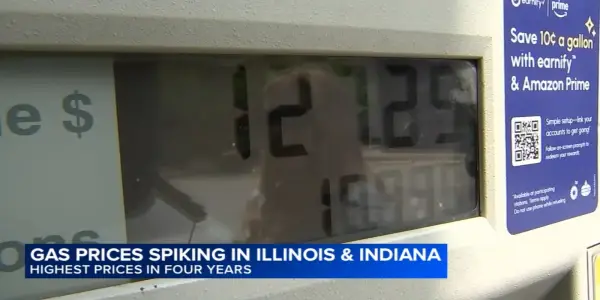
Rising Gas Prices in Illinois Linked to...

Michael Burry Takes Bearish Position on Nvidia...
FAA Probes Near-Miss Incident Involving Delta and...
Intel CEO Stands By Former TSMC Executive Amid...
Westinghouse Announces Ambitious Nuclear Reactor...

Job Cuts at Amazon and T-Mobile Impact Bellevue's...
Amazon Begins Disbursing Refunds Following $2.5...

Moltbook Database Vulnerability Exposes AI Agents...
Amazon Thwarts 1,800 Job Applications Linked to...

The Rise of AI Influencers: A New Era in Social...
Campbell's Dismisses Executive Following...
Potential $200 Monthly Increase in Social...

Google Introduces Gemini 3 AI Model and...
Oil Prices Plummet as Stock Markets Rally Amid...

Meta to Block Access for Australians Under 16 on...

Hack of Real-Estate Data Firm Sparks Urgent...
Analyst Highlights Palantir as a Leader in...

Google Takes Legal Action Against Text Scammers,...
Delay in TikTok Sale Leaves US Investors Uncertain
Walmart Emerges as Key Player in Addressing...
Wendy's to Shut Down Hundreds of U.S. Locations...

Roblox Enhances Child Safety by Blocking Adult...
Miami Waitress Arrested for Allegedly Using...

Verizon Announces Major Workforce Reductions,...