Waymo Expands Autonomous Taxi Services to Include Freeway Driving in Key Cities
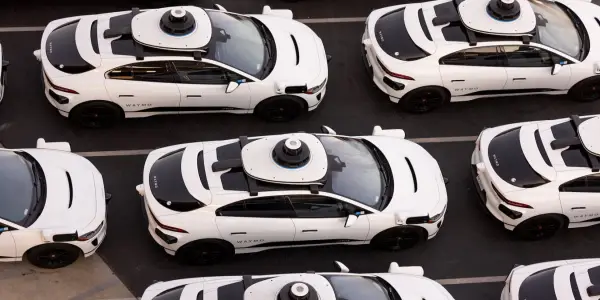
Waymo enhances its autonomous taxi services by adding freeway driving in key cities like San Francisco, Phoenix, and Los Angeles, marking a major advancement...
In-depth analysis
Market overview
Waymo is advancing its autonomous ride-hailing services by integrating freeway driving capabilities in major urban areas, including San Francisco, Phoenix, and Los Angeles. This strategic move enhances the company's operational reach and marks a significant step in the development of self-driving technology, responding to growing demand for innovative urban mobility solutions.
Key business trends
The incorporation of freeway driving capabilities highlights a shift towards more complex autonomous operations, reflecting the industry's focus on enhancing safety and efficiency in urban mobility. This trend underscores the competitive landscape as companies invest heavily in technology advancements.
Impact on companies
Waymo's proactive measures, including a fleet-wide software update following safety investigations, reinforce its commitment to safety while navigating the complexities of autonomous driving. This approach not only builds consumer trust but also sets a precedent for industry standards in safety and operational reliability.
Future projections
As Waymo prepares to expand its services to additional cities like Austin and beyond, the company's growth trajectory suggests a bright future for autonomous taxis. Continued advancements in technology and safety will likely position Waymo as a leading player in the evolving autonomous vehicle market.
Did you know?
What this means for your wallet
With Waymo expanding its ride-hailing services to include freeway driving, users might see a reduction in fares due to improved efficiency and reduced travel times. As autonomous vehicles become more prevalent, the cost of rides could drop, making them a more attractive alternative to traditional taxis and personal vehicles. This shift could also influence insurance rates and urban transportation policies.
What analysts aren't telling you
While Waymo claims its autonomous vehicles have fewer collisions than human drivers, a lesser-known fact is that these numbers heavily depend on the specific routes chosen, with urban areas showing markedly different safety profiles compared to freeways. This nuanced data is critical for understanding the real-world implications of their technology.
One person's journey
Marcus, 34, from Chicago, has been a skeptic of self-driving cars since a near-miss incident on a busy street. However, his perspective shifted when he experienced Waymo's autonomous ride in Phoenix during a business trip. As he cruised smoothly on the freeway without the stress of navigating traffic, he felt an unexpected sense of relief. Marcus reflected on how this technology could transform commuting for urban dwellers, making rides safer and more efficient. Now, he finds himself advocating for autonomous vehicles, believing they might one day eliminate the dangers that plagued his daily drives.

Meta Platforms Poised for Significant Stock Split...

Google Takes Legal Action Against Text Scammers,...

Campbell's Dismisses Executive Following...

The Uncertain Fate of the Trump Phone: Delays and...
Job Cuts at Amazon and T-Mobile Impact Bellevue's...

CISA and NSA Urge Immediate Action to Secure WSUS...
Supply Chain Challenges and Rising Equipment...
Bank of America Settles $72.5 Million with...

Michael Burry Takes Bearish Position on Nvidia...

Amazon Announces 700 Job Cuts in New York City...

Two Promising S&P 500 Dividend Stocks Trading at...

Verizon Announces Major Workforce Reductions,...

Shopify Faces Outage Disrupting Retailers on...
December 2025 SSI Payment Schedule Confirmed by...

Pfizer May Seek Political Leverage in $8.5...

Cautionary Insights from Billionaire Entrepreneur...

Mark Zuckerberg's Wealth Takes a Hit as Meta...
Trump's Pardon of Binance Founder Raises Ethical...

Unprecedented Early Black Friday Discounts on...

The Implications of the US Phasing Out the Penny

U.S. Retailers Face Penny Shortage as Minting...

McLean Resident Sentenced to Nearly Two Years for...

Analyzing the Forbes Under 30 Class of 2026: A...

Netflix Launches 10-for-1 Stock Split Amid...
Waymo Expands Autonomous Taxi Services to Include...

Optimal Locations for Future US Data Centers...

Anthropic Unveils Enhanced Opus 4.5 Model,...

AMD, Cisco, and HUMAIN Launch Joint Venture to...

Proposed Bill Aims to Increase Social Security...

Super Micro Faces Decline in Stock Following...

Fact Check: Trump's Misstatements on Inflation...
Amazon Thwarts 1,800 Job Applications Linked to...

Delay in TikTok Sale Leaves US Investors Uncertain

Hollywood Heavyweights Urge Congress to Block...
Saks OFF 5TH to Close Majority of Stores Amid...

Starbucks Stock Rises Amid Calls for Boycott by...


Target Kicks Off Black Friday 2025 Sales with...

Sonder Faces Backlash as Guests Evicted Amid...

Michael Dell Highlights Key Aspects of Elon...