Emerging Concerns Over 7-OH: A Potential New Threat in the Opioid Crisis

The FDA warns that 7-OH, an opioid-like substance available in gas stations, could escalate the opioid epidemic, remaining legal in 42 states.
In-depth analysis
Market overview
The introduction of 7-OH into the market has raised significant concerns among health officials, as this potent compound is easily accessible at gas stations and convenience stores. Its rapid proliferation has prompted the FDA to issue warnings about its potential dangers, especially given the alarming rise in opioid-related fatalities linked to such substances.
Key business trends
The surge in popularity of 7-OH reflects a growing consumer interest in alternative substances to traditional opioids. This trend is compounded by the lack of regulatory oversight, allowing products containing 7-OH to enter the market with minimal restrictions.
Impact on companies
Businesses involved in the sale of kratom and its derivatives face increasing scrutiny due to the health risks associated with 7-OH. The push for stricter regulations may force companies to improve labeling practices and ensure consumer safety, impacting their operational strategies.
Future projections
As awareness of the dangers of 7-OH grows, regulatory changes are likely on the horizon. Companies may need to adapt to stricter guidelines, which could reshape the landscape of the kratom market and influence consumer perceptions.
Did you know?
What this means for your wallet
The rise of 7-OH could lead to unexpected healthcare expenses for consumers. With increasing hospitalizations tied to this substance, individuals may face significant medical bills if they experience adverse effects. Additionally, the lack of regulation means many may unknowingly purchase dangerous products, compounding potential costs. Budgeting for health emergencies could become essential as the consequences of unregulated substances unfold.
What analysts aren't telling you
Despite its accessibility, 7-OH exhibits a potency that can be 10 times stronger than traditional kratom, which many users may not realize. This heightened concentration significantly raises the risk of overdose, especially for those who believe they are consuming a benign herbal product.
One person's journey
Marcus, 34, from Chicago, thought he was making a healthy choice when he picked up 7-OH gummies at a local gas station. A week later, he found himself in the emergency room, battling debilitating side effects. The experience shook him to the core, as he had previously used kratom for chronic pain management without issues. Now, he advocates for stricter regulations on these products, fearing others might not be as lucky as he was to survive the encounter.
Expert Commentary
China's New Rare Earth Export Controls Ignite...

Goldman Sachs Forecasts $8 Trillion Opportunity...

AMD Announces Record Revenue in Third Quarter...

New State Laws Enhance Transparency Around AI Use...

Lutnick Brothers Capitalize on Data Center Boom...

Cyberattack Disrupts Emergency Alert Systems...

BCBS Class Action Settlement 2025: Key Details on...

Roblox Enhances Child Safety by Blocking Adult...

The Implications of the US Phasing Out the Penny

Amazon Begins Disbursing Refunds Following $2.5...

Cryptocurrency Market Experiences Swift Decline...

Westinghouse Announces Ambitious Nuclear Reactor...


AMD, Cisco, and HUMAIN Launch Joint Venture to...

Ontario Premier Calls for Economic Retaliation...

Job Cuts at Amazon and T-Mobile Impact Bellevue's...
Insurers Seek Exemptions for AI-Related...

CNBC's Andrew Ross Sorkin Voices Concerns Over...

Standard Chartered Predicts End of Bitcoin...

Japan's Ambitious Plan to Transform Hokkaido into...

U.S. Retailers Face Penny Shortage as Minting...

Cautionary Insights from Billionaire Entrepreneur...

Pfizer May Seek Political Leverage in $8.5...

Shein Faces Legal Scrutiny in France Over...

Moltbook Database Vulnerability Exposes AI Agents...
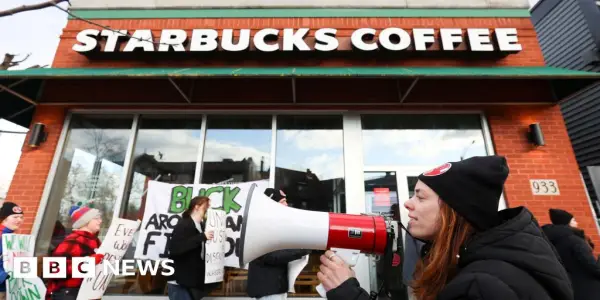
Starbucks Faces Labor Strikes Amid Turnaround...

Michael Dell Highlights Key Aspects of Elon...

Verizon Announces Major Workforce Reductions,...

Biden's TikTok Decision: A Potential Political...

Beta Technologies Launches Successful $1 Billion...

The Remarkable Rise of Leopold Aschenbrenner:...
Governor Barr Addresses Banking Supervision...

Two Promising S&P 500 Dividend Stocks Trading at...

Sonder Faces Backlash as Guests Evicted Amid...

Upcoming Social Security COLA Adjustments: What...

Oil Prices Plummet as Stock Markets Rally Amid...

Norway's Sovereign Wealth Fund Rejects Musk's...

Chase Named New Issuer for Apple Card

Google Introduces Gemini 3 AI Model and...

Potential $200 Monthly Increase in Social...