Ontario Premier Calls for Economic Retaliation Following Stellantis’ Shift to U.S. Production

Ontario Premier Doug Ford criticizes Stellantis' decision to move SUV production to the U.S., calling for economic retaliation amid ongoing trade negotiations.
In-depth analysis
Market overview
The automotive sector in Ontario is currently facing significant challenges as Stellantis announces plans to relocate SUV production to Illinois. This decision is part of a larger $13 billion investment in U.S. manufacturing, raising concerns about the impact on Canada’s automotive industry and its economic stability amidst ongoing trade negotiations.
Key business trends
Stellantis' move highlights a growing trend where automotive companies are increasingly influenced by U.S. economic policies and incentives, prompting shifts in production locations that could reshape the industry landscape.
Impact on companies
The decision by Stellantis to shift production from Brampton to Illinois could have far-reaching implications for Canadian automotive companies, potentially leading to job losses and weakening the supply chain, as local officials express concerns about the future of the facility.
Future projections
As trade negotiations continue, the outlook for Ontario's automotive sector remains uncertain. Policymakers must find effective strategies to protect local interests or risk further production shifts that could diminish Canada's role in the automotive supply chain.
Did you know?
What this means for your wallet
The relocation of Stellantis' SUV production to Illinois could have ripple effects on consumers in Ontario. As the automotive industry adjusts to new production dynamics, potential job losses in Brampton may lead to reduced local spending power. Additionally, if tariffs on automotive imports persist or rise, consumers could see increased prices for vehicles, affecting affordability in the region.
What analysts aren't telling you
While mainstream coverage focuses on the immediate impacts of Stellantis' decision, analysts often overlook that U.S. incentives for domestic production can lead to a long-term decline in Canada's automotive competitiveness, potentially costing the nation billions in lost economic output and jobs.
One person's journey
Marcus, 34, from Chicago, worked at the Brampton assembly plant for over a decade. He recalls the pride he felt when he built his first SUV. That pride turned to anxiety when he learned about the production shift. With a family to support, Marcus worries about job security and the implications for his community. 'We’re not just losing a factory; we’re losing our way of life,' he says, reflecting on the deep bonds formed among colleagues who once celebrated milestones together. The thought of leaving his hometown for work is daunting, and he dreams of a future where local manufacturing thrives again.
Expert Commentary

Cautionary Insights from Billionaire Entrepreneur...
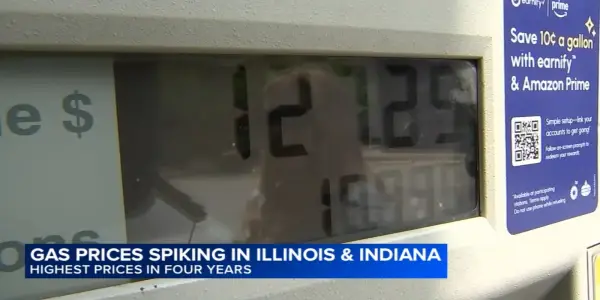
Rising Gas Prices in Illinois Linked to...

Upcoming Social Security COLA Adjustments: What...

Bank of America Settles $72.5 Million with...
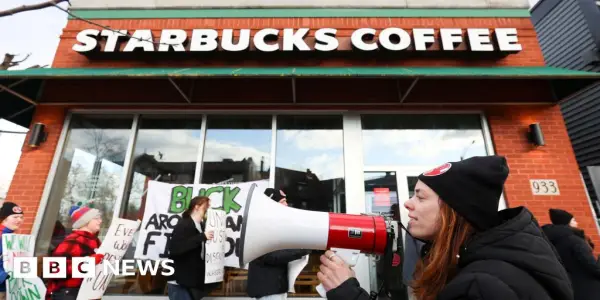
Starbucks Faces Labor Strikes Amid Turnaround...

Microsoft's Strategic Bet on OpenAI: A Risky Move...

Norway's Sovereign Wealth Fund Rejects Musk's...

Jim Beam Suspends Production at Key Kentucky...

Tesla Plans Subscription Price Hike for Full...

AMD Announces Record Revenue in Third Quarter...

December 2025 SSI Payment Schedule Confirmed by...

AMD, Cisco, and HUMAIN Launch Joint Venture to...

Lutnick Brothers Capitalize on Data Center Boom...

Transportation Secretary Duffy's Dress Code...

Governor Barr Addresses Banking Supervision...

Two Promising S&P 500 Dividend Stocks Trading at...

Google Takes Legal Action Against Text Scammers,...

Moltbook Database Vulnerability Exposes AI Agents...

Mark Zuckerberg's Wealth Takes a Hit as Meta...
Chick-Fil-A Launches Chicken & Waffles Sandwich...

Former Hospital Executive Accused of...

FAA Probes Near-Miss Incident Involving Delta and...
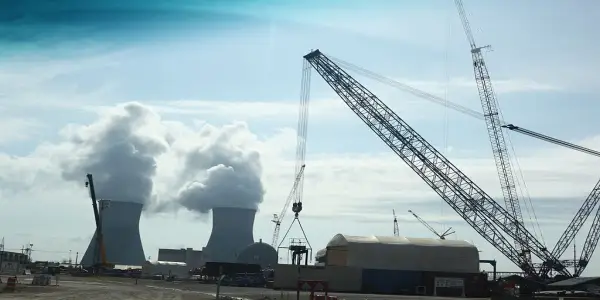
Westinghouse Announces Ambitious Nuclear Reactor...

Analyzing the Forbes Under 30 Class of 2026: A...

Standard Chartered Predicts End of Bitcoin...

Dutch Authorities Halt Intervention in Nexperia...

McLean Resident Sentenced to Nearly Two Years for...

BCBS Class Action Settlement 2025: Key Details on...

Sonder Faces Backlash as Guests Evicted Amid...

Amazon Thwarts 1,800 Job Applications Linked to...

Federal Reserve's December Interest Rate Decision...

Amazon's Job Cuts: A 14,000-Strong Reduction...

UK Introduces Pay-Per-Mile Tax for Electric...

Pennsylvania Electric Rates Set to Rise December 1

CISA and NSA Urge Immediate Action to Secure WSUS...

Campbell's Dismisses Executive Following...

Anthropic Unveils Enhanced Opus 4.5 Model,...

Japan's Ambitious Plan to Transform Hokkaido into...

Trump's Appointment of Warsh as Fed Chair...

Walmart Emerges as Key Player in Addressing...