Rising Gas Prices in Illinois Linked to International Conflict and Local Refinery Issues
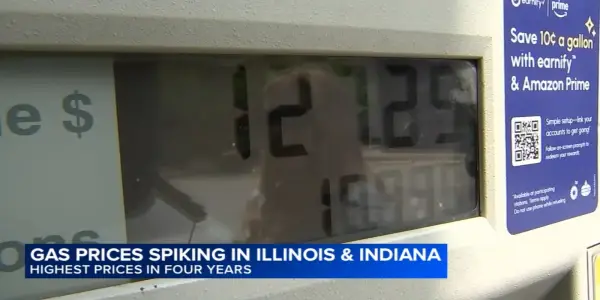
Gas prices in Illinois surge due to refinery disruptions and geopolitical tensions, impacting consumers and local businesses.
In-depth analysis
Market overview
Gas prices in Illinois have surged significantly, driven by geopolitical tensions and operational disruptions at local refineries. The average price for regular unleaded gasoline in Chicago has reached levels that many consumers find challenging, reflecting broader fluctuations in the oil market influenced by various factors.
Key business trends
Rising fuel prices are creating a ripple effect across various sectors, particularly those reliant on transportation. The combination of supply constraints and geopolitical instability is pushing costs higher for businesses and consumers alike.
Impact on companies
Businesses dependent on fuel for transportation are facing increased operational costs, which may lead to higher prices for goods and services. This economic strain could result in a prolonged burden for both consumers and producers, affecting overall market dynamics.
Future projections
As gas prices continue to rise, analysts anticipate ongoing challenges for consumers and businesses. The potential for sustained high fuel costs could reshape spending habits and economic strategies, particularly as demand peaks during travel seasons.
Did you know?
What this means for your wallet
The surge in gas prices can significantly impact your budget, especially for those commuting daily or relying on their vehicles for work. With prices climbing, families may need to reallocate funds from discretionary spending to cover increased fuel costs. This shift could influence local economies, as less disposable income for entertainment or dining out can slow growth in those sectors.
What analysts aren't telling you
While many focus on short-term price hikes, analysts often overlook that the Whiting refinery supplies nearly 10% of the Midwest's gasoline. Its operational setbacks could lead to cascading effects that extend far beyond immediate price increases, potentially disrupting fuel availability for months.
One person's journey
Marcus, 34, from Chicago, has always relied on his car for work. As a delivery driver, he used to budget around $50 a week for fuel. However, after recent price hikes, that amount has skyrocketed to nearly $90. The extra strain has forced him to cut back on meals and weekend outings with friends. Each time he fills up, he feels the weight of his choices pressing down, knowing that every dollar spent on gas is a dollar less for his family’s needs.
Expert Commentary

Meta Platforms Poised for Significant Stock Split...
Starbucks Faces Labor Strikes Amid Turnaround...

Analyzing the Forbes Under 30 Class of 2026: A...
Rising Gas Prices in Illinois Linked to...

Campbell's Dismisses Executive Following...

Fact Check: Trump's Misstatements on Inflation...


CISA and NSA Urge Immediate Action to Secure WSUS...

Meta to Block Access for Australians Under 16 on...

Moltbook Database Vulnerability Exposes AI Agents...

Starbucks Stock Rises Amid Calls for Boycott by...

Trump's Appointment of Warsh as Fed Chair...

Norway's Sovereign Wealth Fund Rejects Musk's...

McLean Resident Sentenced to Nearly Two Years for...

Target Kicks Off Black Friday 2025 Sales with...

Amazon's Partnership with OpenAI Boosts Jeff...
Potential $200 Monthly Increase in Social...

Unprecedented Early Black Friday Discounts on...

Palantir's CEO Defends Company Against...


Pennsylvania Electric Rates Set to Rise December 1

Waymo Expands Autonomous Taxi Services to Include...

Cautionary Insights from Billionaire Entrepreneur...
Amazon Begins Disbursing Refunds Following $2.5...

Extended Cyber Monday Offers Still Available: Top...

Hollywood Heavyweights Urge Congress to Block...

Dutch Authorities Halt Intervention in Nexperia...

Miami Waitress Arrested for Allegedly Using...

Standard Chartered Predicts End of Bitcoin...

Michael Dell Highlights Key Aspects of Elon...

Former Hospital Executive Accused of...

BCBS Class Action Settlement 2025: Key Details on...
Wendy's to Shut Down Hundreds of U.S. Locations...

Pfizer May Seek Political Leverage in $8.5...

Super Micro Faces Decline in Stock Following...

Trump's Pardon of Binance Founder Raises Ethical...

U.S. Retailers Face Penny Shortage as Minting...

New State Laws Enhance Transparency Around AI Use...

Amazon Announces 700 Job Cuts in New York City...
Zipcar to Cease UK Operations Amid Operational...