Potential $200 Monthly Increase in Social Security Benefits: Who Qualifies?
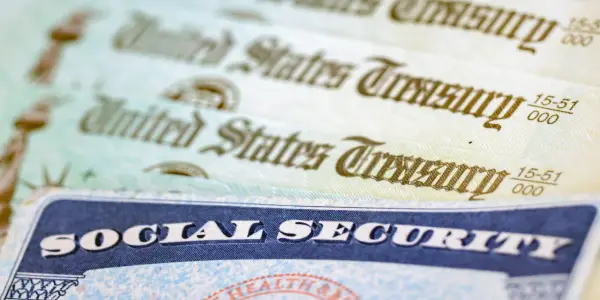
A proposed Social Security Emergency Inflation Relief Act could increase benefits by $200 monthly for millions, including veterans and SSI recipients, amid r...
In-depth analysis
Market overview
The proposed Social Security Emergency Inflation Relief Act aims to address the financial strain on beneficiaries by introducing a $200 monthly increase in benefits. This initiative responds to escalating living costs driven by inflation, impacting a diverse group of recipients, including seniors and disabled veterans. The proposal highlights ongoing economic challenges faced by vulnerable populations.
Key business trends
Support for the proposed legislation reflects a growing awareness among lawmakers regarding the financial struggles of Social Security beneficiaries. This trend indicates a shift towards prioritizing social welfare and economic stability in policy discussions amidst rising inflation rates.
Impact on companies
The proposed increase in Social Security benefits could lead to heightened consumer spending among beneficiaries, potentially benefiting retailers and service providers catering to seniors and low-income individuals. However, companies may also face pressure to adjust pricing strategies in response to the changing economic landscape.
Future projections
If enacted, the proposed benefit increase could serve as a catalyst for broader discussions on Social Security reform. Observers anticipate that the outcome may influence future legislative efforts aimed at ensuring financial security for retirees and vulnerable populations amid persistent inflation.
Did you know?
What this means for your wallet
A $200 monthly boost in Social Security benefits could provide significant relief for many struggling to keep up with soaring prices. This increase comes at a crucial time, as essentials like food and healthcare continue to drain budgets. While the COLA adjustment may seem minimal, the combined effects of both changes could help alleviate some financial strain, allowing beneficiaries to better manage their basic needs.
What analysts aren't telling you
Many analysts overlook that the proposed $200 increase may not fully offset the actual inflation experienced by seniors, who often face different expenditure patterns than younger populations. For example, health care costs for older adults have risen at rates significantly higher than general inflation, complicating the effectiveness of the COLA adjustments.
One person's journey
Marcus, 34, from Chicago, has been caring for his elderly mother, who relies on Social Security. With rising grocery prices and her medical bills increasing, the family has struggled to make ends meet. When Marcus heard about the proposed $200 increase, he felt a glimmer of hope. It could mean fewer sleepless nights worrying about how to pay for her medications. For him, this isn’t just a policy change; it’s a lifeline that could ease their burden and restore some peace to their home.

Dutch Authorities Halt Intervention in Nexperia...
Starbucks Faces Labor Strikes Amid Turnaround...

Verizon Announces Major Workforce Reductions,...

Delay in TikTok Sale Leaves US Investors Uncertain

Pennsylvania Electric Rates Set to Rise December 1

Proposed Bill Aims to Increase Social Security...
Amazon Begins Disbursing Refunds Following $2.5...

McLean Resident Sentenced to Nearly Two Years for...

Google Takes Legal Action Against Text Scammers,...

Zipcar to Cease UK Operations Amid Operational...

Mark Zuckerberg's Wealth Takes a Hit as Meta...

Former Hospital Executive Accused of...

Cautionary Insights from Billionaire Entrepreneur...

Standard Chartered Predicts End of Bitcoin...

Saks OFF 5TH to Close Majority of Stores Amid...

Trump's Executive Order Targets Proxy Advisory...
Rising Gas Prices in Illinois Linked to...

Anthropic Unveils Enhanced Opus 4.5 Model,...

Walmart Emerges as Key Player in Addressing...

BCBS Class Action Settlement 2025: Key Details on...

Job Cuts at Amazon and T-Mobile Impact Bellevue's...

Rivian Reports Growth in Q3 2025: Increased...

Chick-Fil-A Launches Chicken & Waffles Sandwich...

UK Introduces Pay-Per-Mile Tax for Electric...

Chase Named New Issuer for Apple Card

CISA and NSA Urge Immediate Action to Secure WSUS...

The Implications of the US Phasing Out the Penny

Unprecedented Early Black Friday Discounts on...

Two Promising S&P 500 Dividend Stocks Trading at...

Hack of Real-Estate Data Firm Sparks Urgent...
Intel CEO Stands By Former TSMC Executive Amid...

Hollywood Heavyweights Urge Congress to Block...

Pfizer May Seek Political Leverage in $8.5...

The Uncertain Fate of the Trump Phone: Delays and...

Jim Beam Suspends Production at Key Kentucky...

Meta Platforms Poised for Significant Stock Split...

Westinghouse Announces Ambitious Nuclear Reactor...

Amazon Announces 700 Job Cuts in New York City...

Do Kwon Sentenced to 15 Years for Role in $40...

After a $532 Million Business Sale, Millennial...