Volkswagen Unveils Refined Second Generation of Atlas SUV
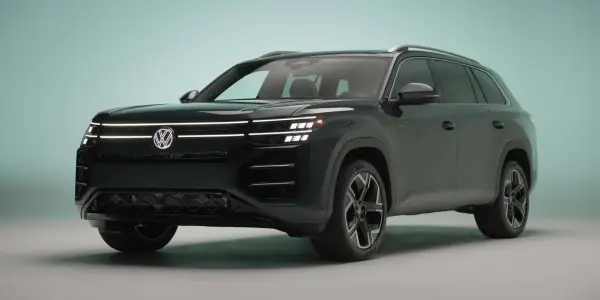
Volkswagen has launched the second generation of its Atlas SUV, featuring significant updates and a competitive edge in the growing three-row market.
In-depth analysis
Market overview
The introduction of the second generation Atlas SUV comes at a time of increasing demand for large three-row vehicles in the U.S. market. As competition intensifies with new models emerging, Volkswagen aims to reinvigorate its presence. The Atlas has been a staple for nearly ten years, necessitating updates to maintain relevance.
Key business trends
The automotive industry is witnessing a shift towards modernized designs and user-friendly interfaces, reflecting consumer preferences. Additionally, the absence of hybrid variants in new models highlights the tension between traditional offerings and the rising eco-consciousness among buyers.
Impact on companies
Volkswagen's refreshed Atlas is expected to enhance its competitive edge in the crowded SUV market. However, the decision to exclude a hybrid option may hinder its appeal to environmentally conscious consumers, potentially affecting sales and market share in this evolving segment.
Future projections
As the Atlas hits dealerships this fall, its performance will be closely monitored amid fierce competition. The success of this model will likely depend on consumer reception to its design enhancements and the ongoing demand for large SUVs.
Did you know?
What this means for your wallet
The new Atlas SUV, starting around $30,000, could impact your budget significantly. With higher trims nearing $50,000, potential buyers should weigh the long-term costs, including fuel and insurance. The absence of a hybrid option may also lead to higher fuel expenses, particularly as gas prices fluctuate. Careful consideration of your financial landscape is essential before making this investment.
What analysts aren't telling you
Many analysts overlook that the Atlas's architecture is shared with the Teramont, which has been a success in China. This could mean that design and features are tailored to a market with different preferences, potentially affecting its reception in the U.S. where consumer expectations differ.
One person's journey
Marcus, 34, from Chicago, has fond memories of family road trips in the original Atlas. With two young kids, he relies on the spacious interior for their adventures. However, as he browsed the new model, excitement mixed with concern. The lack of a hybrid option weighed heavily on him; he had hoped for a more eco-friendly choice to align with his family's values. As he deliberated over this significant purchase, Marcus reflected on balancing family needs with an increasing desire for sustainability.
Expert Commentary


Transportation Secretary Duffy's Dress Code...

Trump's Pardon of Binance Founder Raises Ethical...

Shein Faces Legal Scrutiny in France Over...

Hack of Real-Estate Data Firm Sparks Urgent...

UK Introduces Pay-Per-Mile Tax for Electric...

FAA Probes Near-Miss Incident Involving Delta and...

AMD, Cisco, and HUMAIN Launch Joint Venture to...

Fact Check: Trump's Misstatements on Inflation...

USPS Chief Advocates for Revenue Growth Amid...
Analyst Highlights Palantir as a Leader in...

Standard Chartered Predicts End of Bitcoin...

Michael Burry Takes Bearish Position on Nvidia...

December 2025 SSI Payment Schedule Confirmed by...

AMD Announces Record Revenue in Third Quarter...

Campbell's Dismisses Executive Following...
Chick-Fil-A Launches Chicken & Waffles Sandwich...

Amazon Begins Disbursing Refunds Following $2.5...

Cautionary Insights from Billionaire Entrepreneur...

The Implications of the US Phasing Out the Penny

New State Laws Enhance Transparency Around AI Use...

U.S. Retailers Face Penny Shortage as Minting...

Trump's Executive Order Targets Proxy Advisory...

Hollywood Heavyweights Urge Congress to Block...
Intel CEO Stands By Former TSMC Executive Amid...
Wendy's to Shut Down Hundreds of U.S. Locations...

MacKenzie Scott's Philanthropic Impact: Over $19...

Oil Prices Plummet as Stock Markets Rally Amid...

Federal Reserve's December Interest Rate Decision...
Starbucks Faces Labor Strikes Amid Turnaround...

Job Cuts at Amazon and T-Mobile Impact Bellevue's...

Shopify Faces Outage Disrupting Retailers on...

Black Friday 2025: Real-Time Sales Updates from...
Saks OFF 5TH to Close Majority of Stores Amid...

Amazon's Job Cuts: A 14,000-Strong Reduction...

Westinghouse Announces Ambitious Nuclear Reactor...

Two Promising S&P 500 Dividend Stocks Trading at...

Verizon Announces Major Workforce Reductions,...

Former Hospital Executive Accused of...