Trump's China Summit: Promises of Trade Deals Fall Short, Experts Say
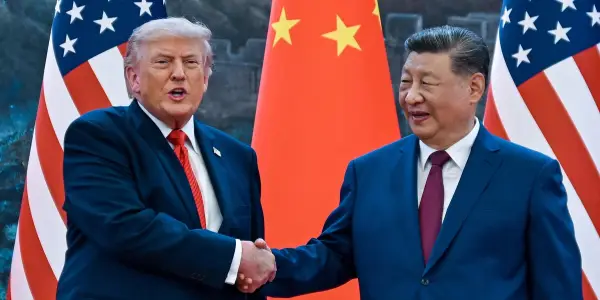
While President Trump's visit to China aimed to enhance trade relations, experts suggest no significant agreements emerged from the discussions.
In-depth analysis
Market overview
The recent summit between President Trump and Chinese officials highlighted ongoing tensions in U.S.-China trade relations, which have been strained since the 2018 trade war. Experts remain doubtful about the summit's outcomes, noting a lack of significant commitments from China, which could hinder future economic cooperation.
Key business trends
Despite the absence of major agreements, there is a noticeable shift towards exploring new areas of cooperation, as indicated by Chinese officials during the summit. This suggests a potential thawing of relations in certain sectors.
Impact on companies
Boeing appears to be positioned favorably following the summit, with prospects for reopening the Chinese market for its aircraft. The company has expressed optimism about re-establishing business ties, which could lead to significant aircraft orders in the future.
Future projections
The lack of immediate trade agreements raises concerns about the effectiveness of current diplomatic efforts. However, ongoing discussions may lay the groundwork for future negotiations, suggesting a cautiously optimistic outlook for U.S.-China trade relations.
Did you know?
What this means for your wallet
The stalled trade talks could have a ripple effect on consumer prices. Without significant agreements, expect continued volatility in sectors like agriculture and energy, which might lead to higher costs at the grocery store and the pump. Additionally, if Boeing's anticipated orders don't materialize, related industries may face supply chain challenges that could further inflate prices.
What analysts aren't telling you
Many experts overlook that the U.S. has historically run a trade deficit with China, averaging around $300 billion annually over the past decade. This persistent imbalance complicates negotiations, as both nations have differing priorities and economic strategies.
One person's journey
Marcus, 34, from Chicago, felt the effects of the trade war on his family business, a small import shop specializing in electronics. With tariffs driving up costs, he watched sales plummet and had to make difficult choices, including laying off staff. During the summit, he hoped for a breakthrough, believing it could revive his business. While he didn't expect immediate results, he clings to the hope that ongoing dialogue might stabilize the market and help him regain lost ground.
Expert Commentary

Starbucks Faces Labor Strikes Amid Turnaround...
Fact Check: Trump's Misstatements on Inflation...

Analyst Highlights Palantir as a Leader in...
Federal Reserve's December Interest Rate Decision...

Proposed Bill Aims to Increase Social Security...

Norway's Sovereign Wealth Fund Rejects Musk's...

Amazon's Partnership with OpenAI Boosts Jeff...

AMD, Cisco, and HUMAIN Launch Joint Venture to...

Potential $200 Monthly Increase in Social...

Unprecedented Early Black Friday Discounts on...

Campbell's Dismisses Executive Following...

AMD Announces Record Revenue in Third Quarter...

U.S. Retailers Face Penny Shortage as Minting...

Black Friday 2025: Real-Time Sales Updates from...

Cautionary Insights from Billionaire Entrepreneur...

New State Laws Enhance Transparency Around AI Use...

Trump's Appointment of Warsh as Fed Chair...

Sonder Faces Backlash as Guests Evicted Amid...

MacKenzie Scott's Philanthropic Impact: Over $19...

Target Kicks Off Black Friday 2025 Sales with...

Japan's Ambitious Plan to Transform Hokkaido into...

Saks OFF 5TH to Close Majority of Stores Amid...

Amazon's Job Cuts: A 14,000-Strong Reduction...

Delay in TikTok Sale Leaves US Investors Uncertain

Starbucks Stock Rises Amid Calls for Boycott by...

Optimal Locations for Future US Data Centers...

Standard Chartered Predicts End of Bitcoin...

Chase Named New Issuer for Apple Card

Debunking Dental Myths: Insights from Experts on...
Supply Chain Challenges and Rising Equipment...

Palantir's CEO Defends Company Against...

Super Micro Faces Decline in Stock Following...

Netflix Launches 10-for-1 Stock Split Amid...

Meta to Block Access for Australians Under 16 on...

Wendy's to Shut Down Hundreds of U.S. Locations...

Hollywood Heavyweights Urge Congress to Block...

Extended Cyber Monday Offers Still Available: Top...

McLean Resident Sentenced to Nearly Two Years for...

October Sees Modest Rise in Existing-Home Sales...

Bank of America Settles $72.5 Million with...