Navigating Flight Cancellations Amid Rising Jet Fuel Costs
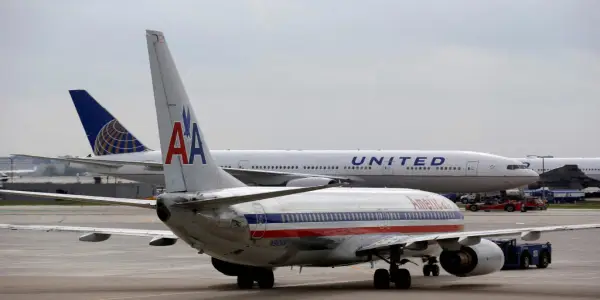
As global airlines face flight cancellations due to escalating jet fuel prices from Middle East conflicts, here's essential information for affected travelers.
In-depth analysis
Market overview
The ongoing conflict in the Middle East is significantly impacting the airline industry, leading to widespread flight cancellations due to jet fuel supply disruptions and escalating costs. As summer travel demand rises, particularly with major events like the World Cup approaching, the ramifications for air travel are becoming increasingly pronounced, affecting both airlines and passengers alike.
Key business trends
Airlines are adjusting operations by cutting flights, particularly short-haul routes, in response to rising fuel costs. This trend reflects a strategic shift to manage resources more effectively amid geopolitical uncertainties.
Impact on companies
Airlines are facing mounting pressures from rising operational costs and fluctuating fuel supplies, prompting them to implement changes such as increasing checked baggage fees. These adjustments highlight the need for companies to adapt quickly to maintain profitability while navigating a challenging market landscape.
Future projections
As the fuel crisis continues, the aviation sector may see further operational adjustments and potential increases in ticket prices. Experts predict that consumer awareness of rights and protections will grow, influencing airline policies and passenger behaviors.
Did you know?
What this means for your wallet
Rising jet fuel costs are likely to lead airlines to pass expenses onto consumers. Expect higher ticket prices, especially during peak travel seasons. Additionally, fees for checked baggage and other services may surge as airlines seek to offset operational losses. Travelers should budget carefully, considering potential delays and cancellations could result in extra costs, from accommodation to last-minute bookings.
What analysts aren't telling you
While many focus on the immediate impact of flight cancellations, a lesser-known fact is that geopolitical tensions can lead to long-term shifts in airline routes. Carriers may permanently alter their flight paths based on fuel availability and safety assessments, affecting travel patterns for years to come.
One person's journey
Marcus, 34, from Chicago, had planned a long-awaited trip to attend the World Cup with his father. They had saved for months, dreaming of the matches and bonding over shared experiences. When their flight was canceled due to rising fuel costs, Marcus felt crushed. It wasn’t just about the game; it represented a chance to reconnect after years of busy schedules. Navigating the rebooking process was frustrating, but Marcus found hope in a new flight—this time, a chance to create memories that would last a lifetime.
Expert Commentary

Meta Platforms Poised for Significant Stock Split...

Google Takes Legal Action Against Text Scammers,...

Campbell's Dismisses Executive Following...

The Uncertain Fate of the Trump Phone: Delays and...

Job Cuts at Amazon and T-Mobile Impact Bellevue's...

CISA and NSA Urge Immediate Action to Secure WSUS...
Supply Chain Challenges and Rising Equipment...

Bank of America Settles $72.5 Million with...

Michael Burry Takes Bearish Position on Nvidia...

October Sees Modest Rise in Existing-Home Sales...

Two Promising S&P 500 Dividend Stocks Trading at...

Verizon Announces Major Workforce Reductions,...

Shopify Faces Outage Disrupting Retailers on...
December 2025 SSI Payment Schedule Confirmed by...

Pfizer May Seek Political Leverage in $8.5...

Cautionary Insights from Billionaire Entrepreneur...

Mark Zuckerberg's Wealth Takes a Hit as Meta...

Trump's Pardon of Binance Founder Raises Ethical...

Unprecedented Early Black Friday Discounts on...

The Implications of the US Phasing Out the Penny

U.S. Retailers Face Penny Shortage as Minting...

McLean Resident Sentenced to Nearly Two Years for...

Analyzing the Forbes Under 30 Class of 2026: A...

Netflix Launches 10-for-1 Stock Split Amid...

Waymo Expands Autonomous Taxi Services to Include...

Optimal Locations for Future US Data Centers...

Anthropic Unveils Enhanced Opus 4.5 Model,...

AMD, Cisco, and HUMAIN Launch Joint Venture to...

Proposed Bill Aims to Increase Social Security...

Super Micro Faces Decline in Stock Following...

Fact Check: Trump's Misstatements on Inflation...

Amazon Thwarts 1,800 Job Applications Linked to...

Delay in TikTok Sale Leaves US Investors Uncertain

Hollywood Heavyweights Urge Congress to Block...

Amazon Announces 700 Job Cuts in New York City...

Starbucks Stock Rises Amid Calls for Boycott by...


Target Kicks Off Black Friday 2025 Sales with...

Sonder Faces Backlash as Guests Evicted Amid...

Michael Dell Highlights Key Aspects of Elon...