US Economy Faces Stark Wealth Disparity Amid Declining Consumer Sentiment
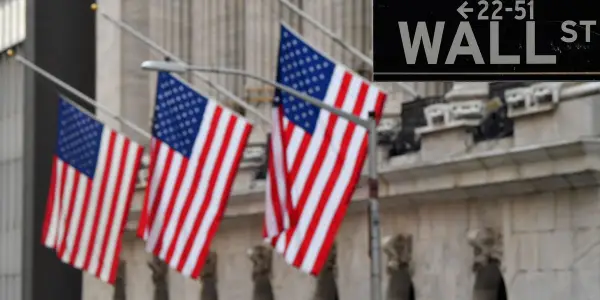
Recent surveys reveal a sharp drop in US consumer sentiment as stock markets soar, highlighting a growing wealth divide among Americans.
In-depth analysis
Market overview
Recent polling reveals a stark decline in consumer sentiment in the U.S., juxtaposed against a soaring stock market. This divergence highlights a troubling trend in wealth inequality, where affluent individuals increasingly dictate consumer spending patterns. Historical data shows that consumer sentiment and stock performance typically correlate, but recent years have seen a significant disconnect.
Key business trends
The current economic landscape is marked by a growing divide in consumer sentiment and stock market performance, indicating a shift in spending power towards the wealthiest households. This trend is fueled by rising inflation concerns and a decline in economic optimism among the general population.
Impact on companies
Companies may face challenges as consumer sentiment weakens, despite a thriving stock market. The concentration of spending among the top earners suggests that businesses reliant on broader consumer bases could struggle. Addressing the disparity in economic experiences will be crucial for maintaining market stability and fostering sustainable growth.
Future projections
Looking ahead, the disconnect between consumer sentiment and stock market performance raises concerns about economic stability. Without effective policies to address wealth inequality, companies could encounter significant hurdles in sustaining growth and consumer engagement in the long term.
Did you know?
What this means for your wallet
The disconnect between soaring stock prices and plummeting consumer sentiment could have direct implications for everyday budgets. As inflation continues to outpace wage growth, many consumers may find their purchasing power diminished. This could lead to reduced spending on non-essential items, putting pressure on businesses that rely on a broad customer base. The potential for an economic downturn looms, raising concerns about job stability and further wage stagnation.
What analysts aren't telling you
While analysts focus on stock performance, they often overlook that nearly 70% of U.S. GDP is driven by consumer spending. This suggests that a sustained decline in consumer sentiment could ultimately jeopardize economic growth, despite what stock indices indicate.
One person's journey
Marcus, 34, from Chicago, is feeling the weight of the current economic landscape. A graphic designer, he once felt secure in his career, but rising costs have begun to erode his savings. The price of groceries and rent has risen sharply, forcing him to skip outings with friends and reconsider his dream of buying a home. Marcus recalls a recent conversation with his parents, who expressed similar concerns about the future. The anxiety that grips him isn’t just about finances; it’s about the uncertainty of what tomorrow may bring for him and his community.
Expert Commentary

Miami Waitress Arrested for Allegedly Using...

Delay in TikTok Sale Leaves US Investors Uncertain
Insurers Seek Exemptions for AI-Related...

McLean Resident Sentenced to Nearly Two Years for...

CISA and NSA Urge Immediate Action to Secure WSUS...
Potential $200 Monthly Increase in Social...

Waymo Expands Autonomous Taxi Services to Include...

Amazon's Partnership with OpenAI Boosts Jeff...

Verizon Announces Major Workforce Reductions,...

Shopify Faces Outage Disrupting Retailers on...

Starbucks Stock Rises Amid Calls for Boycott by...

Michael Burry Takes Bearish Position on Nvidia...

Shein Faces Legal Scrutiny in France Over...
Hack of Real-Estate Data Firm Sparks Urgent...
Hollywood Heavyweights Urge Congress to Block...

Former Hospital Executive Accused of...

Do Kwon Sentenced to 15 Years for Role in $40...

Analyst Highlights Palantir as a Leader in...

Campbell's Dismisses Executive Following...

Amazon Announces 700 Job Cuts in New York City...
Two Promising S&P 500 Dividend Stocks Trading at...

Japan's Ambitious Plan to Transform Hokkaido into...
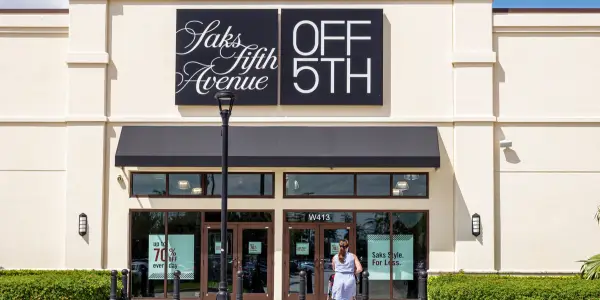
Saks OFF 5TH to Close Majority of Stores Amid...
Governor Barr Addresses Banking Supervision...

Chase Named New Issuer for Apple Card

U.S. Retailers Face Penny Shortage as Minting...

Black Friday 2025: Real-Time Sales Updates from...

Walmart Emerges as Key Player in Addressing...

Pennsylvania Electric Rates Set to Rise December 1

Cautionary Insights from Billionaire Entrepreneur...

FAA Probes Near-Miss Incident Involving Delta and...
Wendy's to Shut Down Hundreds of U.S. Locations...

Debunking Dental Myths: Insights from Experts on...

USPS Chief Advocates for Revenue Growth Amid...

Amazon's Job Cuts: A 14,000-Strong Reduction...

Meta Platforms Poised for Significant Stock Split...
Rising Gas Prices in Illinois Linked to...

Rivian Reports Growth in Q3 2025: Increased...

Unprecedented Early Black Friday Discounts on...

Moltbook Database Vulnerability Exposes AI Agents...