NHTSA Initiates Investigation After Tesla Model 3 Fatal Crash in Texas
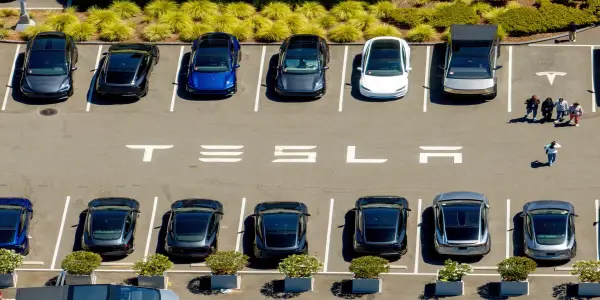
The NHTSA investigates a fatal crash involving a Tesla Model 3 reportedly in self-driving mode, raising safety concerns for autonomous vehicles.
In-depth analysis
Market overview
The automotive industry is currently navigating a complex landscape marked by increasing scrutiny of autonomous driving technologies. The NHTSA's investigation into Tesla's self-driving capabilities highlights ongoing concerns about safety and regulatory compliance, impacting consumer trust and market dynamics. As companies innovate in this space, the balance between advancement and safety remains a critical focus.
Key business trends
There is a growing emphasis on regulatory compliance and safety in the development of autonomous vehicles. Companies are increasingly prioritizing transparency and accountability in their self-driving technologies to mitigate risks and enhance public confidence.
Impact on companies
The NHTSA's investigation into Tesla's self-driving technology could significantly affect the company's reputation and market position. As scrutiny intensifies, competitors may leverage Tesla's challenges to highlight their own safety measures and technological advancements, potentially reshaping consumer preferences.
Future projections
Looking ahead, the outcomes of the NHTSA's investigation may lead to stricter regulations governing autonomous vehicles. This could prompt a shift in industry standards, encouraging companies to adopt more robust safety protocols and diversify their technological approaches.
Did you know?
What this means for your wallet
As the NHTSA investigates Tesla's self-driving technology, potential regulatory changes could impact vehicle insurance rates. If safety concerns lead to stricter regulations, insurers may adjust premiums for Tesla owners, reflecting increased risk. Consumers should stay informed; decisions made now could affect long-term ownership costs, especially as the market navigates the evolving landscape of autonomous vehicles.
What analysts aren't telling you
Many experts believe that Tesla's reliance on a camera-only system could be a crucial factor in its struggles. Unlike competitors employing multi-sensor strategies, Tesla's approach may not fully capture the complexities of diverse driving conditions, potentially compromising safety.
One person's journey
Marcus, 34, from Chicago, always dreamed of owning a Tesla. When he finally purchased a Model 3, he felt a blend of excitement and responsibility, especially with its self-driving capabilities. But after hearing about the recent crash near Houston, he couldn’t shake the unease. For Marcus, it wasn't just a car; it was a symbol of innovation. He now questions if it was the right choice for his family. The incident has made him rethink the reliability of self-driving technology, leading him to discuss the topic with friends and contemplate whether he should keep or sell his Tesla.
Expert Commentary
Waymo Expands Autonomous Taxi Services to Include...
Trump's Appointment of Warsh as Fed Chair...
Intel CEO Stands By Former TSMC Executive Amid...

The Rise of AI Influencers: A New Era in Social...
Shein Faces Legal Scrutiny in France Over...
Starbucks Faces Labor Strikes Amid Turnaround...
Trump's Executive Order Targets Proxy Advisory...

Unprecedented Early Black Friday Discounts on...
Jim Beam Suspends Production at Key Kentucky...
Oil Prices Plummet as Stock Markets Rally Amid...

Analyzing the Forbes Under 30 Class of 2026: A...

Do Kwon Sentenced to 15 Years for Role in $40...

Standard Chartered Predicts End of Bitcoin...
Optimal Locations for Future US Data Centers...
New State Laws Enhance Transparency Around AI Use...

Campbell's Dismisses Executive Following...

The Uncertain Fate of the Trump Phone: Delays and...
Beta Technologies Launches Successful $1 Billion...

CISA and NSA Urge Immediate Action to Secure WSUS...
Westinghouse Announces Ambitious Nuclear Reactor...
Governor Barr Addresses Banking Supervision...
Meta to Block Access for Australians Under 16 on...
Moltbook Database Vulnerability Exposes AI Agents...
Hollywood Heavyweights Urge Congress to Block...

Meta Platforms Poised for Significant Stock Split...
USPS Chief Advocates for Revenue Growth Amid...
Transportation Secretary Duffy's Dress Code...

CFPB Plans Workforce Furloughs and Case Transfers...
AMD Announces Record Revenue in Third Quarter...
Insurers Seek Exemptions for AI-Related...
Amazon Thwarts 1,800 Job Applications Linked to...
Potential $200 Monthly Increase in Social...
Chick-Fil-A Launches Chicken & Waffles Sandwich...
Job Cuts at Amazon and T-Mobile Impact Bellevue's...
Bank of America Settles $72.5 Million with...

McLean Resident Sentenced to Nearly Two Years for...
Walmart Emerges as Key Player in Addressing...
Proposed Bill Aims to Increase Social Security...
AMD, Cisco, and HUMAIN Launch Joint Venture to...
Trump's Pardon of Binance Founder Raises Ethical...