Taiwanese Authorities Conduct Raid on Intel Executive's Residence Amid Trade Secrets Investigation
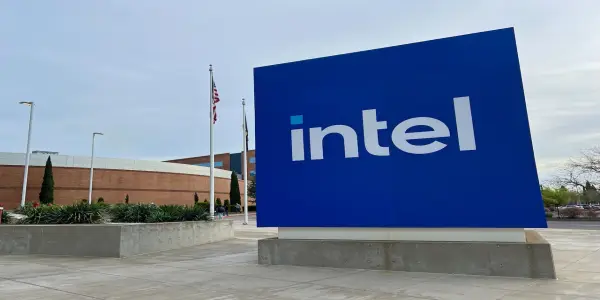
The investigation into alleged trade secret theft by Intel's Wei-Jen Lo raises significant geopolitical concerns, particularly given the U.S. government's substantial investment in the chipmaker.
In-depth analysis
Market overview
The investigation into Intel executive Wei-Jen Lo has cast a spotlight on the semiconductor market, particularly concerning trade secrets and national security. As TSMC and Intel navigate this complex landscape, the potential ramifications for international trade relations and competitive dynamics in the semiconductor industry are significant, raising concerns among investors and stakeholders alike.
Key business trends
The scrutiny of corporate governance within the semiconductor sector is intensifying, with a focus on trade secret protection and regulatory compliance. This trend highlights an increasing awareness of the intersection between business practices and national security concerns.
Impact on companies
Intel's support for Lo amid allegations indicates a commitment to its leadership, yet the investigation poses risks to its reputation and operational stability. TSMC's aggressive stance underscores the competitive pressures within the industry, potentially influencing partnerships and market strategies.
Future projections
The outcome of this investigation may redefine operational protocols within the semiconductor industry, prompting companies to enhance their compliance measures. As geopolitical tensions continue to shape market dynamics, companies may need to adapt to a more stringent regulatory environment.
Did you know?
What this means for your wallet
The investigation into Wei-Jen Lo could impact the semiconductor market, potentially affecting prices for consumers. If Intel faces penalties or operational disruptions, we may see delays in product releases or increased costs for tech devices. As companies react to the fallout, consumers could face higher prices, especially in sectors reliant on advanced chips, like smartphones and laptops.
What analysts aren't telling you
Fewer people realize that TSMC, despite its dominance, produces over 90% of the world's most advanced chips but only owns about 10% of the market share in terms of revenue, highlighting the intense competition and razor-thin margins that characterize the semiconductor industry.
One person's journey
Marcus, 34, from Chicago, has long relied on cutting-edge technology for his freelance graphic design work. When he heard about the investigation involving Intel, he felt a ripple of anxiety. With his entire workflow dependent on high-performance chips, he understood how disruptions in the semiconductor supply chain could lead to delays in his projects. A recent order for new hardware had already been pushed back due to supply issues, and now he fears that the fallout from this investigation might mean even longer wait times and increased costs. For Marcus, the stakes go beyond business; they affect his ability to provide for his family and maintain his livelihood.

Chick-Fil-A Launches Chicken & Waffles Sandwich...

Upcoming Social Security COLA Adjustments: What...

Former Hospital Executive Accused of...

Trump's Pardon of Binance Founder Raises Ethical...

Norway's Sovereign Wealth Fund Rejects Musk's...

Job Cuts at Amazon and T-Mobile Impact Bellevue's...
Intel CEO Stands By Former TSMC Executive Amid...

Target Kicks Off Black Friday 2025 Sales with...

Amazon Announces 700 Job Cuts in New York City...

After a $532 Million Business Sale, Millennial...

Sonder Faces Backlash as Guests Evicted Amid...

Unprecedented Early Black Friday Discounts on...

Trump's Executive Order Targets Proxy Advisory...

Oil Prices Plummet as Stock Markets Rally Amid...

Roblox Enhances Child Safety by Blocking Adult...

Starbucks Stock Rises Amid Calls for Boycott by...

Amazon Thwarts 1,800 Job Applications Linked to...

AMD, Cisco, and HUMAIN Launch Joint Venture to...
Supply Chain Challenges and Rising Equipment...

Anthropic Unveils Enhanced Opus 4.5 Model,...

Super Micro Faces Decline in Stock Following...

Optimal Locations for Future US Data Centers...

Delay in TikTok Sale Leaves US Investors Uncertain

Black Friday 2025: Real-Time Sales Updates from...

McLean Resident Sentenced to Nearly Two Years for...

New State Laws Enhance Transparency Around AI Use...

October Sees Modest Rise in Existing-Home Sales...

Meta to Block Access for Australians Under 16 on...

Insurers Seek Exemptions for AI-Related...

Debunking Dental Myths: Insights from Experts on...

Shopify Faces Outage Disrupting Retailers on...

Michael Burry Takes Bearish Position on Nvidia...

CISA and NSA Urge Immediate Action to Secure WSUS...
Governor Barr Addresses Banking Supervision...

Beta Technologies Launches Successful $1 Billion...

U.S. Retailers Face Penny Shortage as Minting...

Proposed Bill Aims to Increase Social Security...

BCBS Class Action Settlement 2025: Key Details on...

Rivian Reports Growth in Q3 2025: Increased...

Amazon's Partnership with OpenAI Boosts Jeff...