Rising Concerns About Cancer Risks Linked to Popular Weight Loss Medications
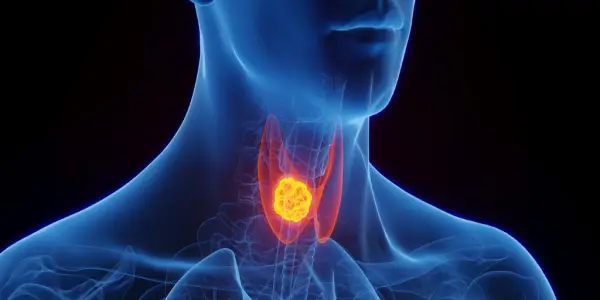
As the usage of GLP-1 receptor agonists like Ozempic and Wegovy surges in Western countries, health experts are voicing concerns regarding potential cancer links and supply shortages.
In-depth analysis
Recent discoveries
Recent studies have illuminated potential risks associated with GLP-1 medications, particularly concerning thyroid tumors and pancreatitis. Animal research suggests high doses might lead to thyroid tumors, while some patients report pancreatitis, raising concerns about a possible link to pancreatic cancer. These findings underscore the necessity for further investigation into the long-term safety of these drugs.
Implications for public health
The rising use of GLP-1 medications brings significant public health implications, particularly regarding their safety profile. The potential risks associated with thyroid tumors and pancreatitis highlight the need for careful monitoring as these drugs become more widely prescribed.
Who is affected
Individuals prescribed GLP-1 medications, particularly those with a personal or familial history of thyroid cancer or endocrine conditions, may face heightened risks. Patients experiencing gastrointestinal side effects, such as vomiting and constipation, are also affected, raising concerns about the broader implications for those utilizing these weight loss treatments.
Potential future studies
Future research should focus on clarifying the relationship between GLP-1 medications and cancer risks, particularly thyroid and pancreatic cancers. Large-scale, long-term studies are essential to establish definitive connections and assess the overall safety of these weight loss drugs.
Did you know?
How this affects your health
The surge in weight loss medications like Ozempic and Wegovy presents a double-edged sword for health. While they can effectively reduce obesity, potential side effects and long-term risks such as thyroid tumors or pancreatitis raise significant concerns. Patients must weigh the benefits against these risks, especially those with existing health issues, and engage in thorough discussions with their healthcare providers to make informed choices.
The scientific surprise
Recent findings from animal studies revealing a potential link between GLP-1 medications and thyroid tumors have caught many by surprise. While this connection is not yet established in humans, it underscores the complexity of these drugs and the need for ongoing research. This unexpected twist highlights the importance of vigilance as these medications gain popularity.
The doctor and the patient: a personal story
Marcus, 34, from Chicago, had struggled with obesity for years, feeling the weight of societal expectations along with his own health concerns. After starting on Wegovy, he lost 30 pounds in just a few months, but he also experienced debilitating nausea. During a follow-up, his doctor, Dr. Lee, took the time to listen to Marcus’s concerns. Together, they discussed the potential side effects and the emerging research about thyroid risks. Feeling heard and supported, Marcus appreciated the candid conversation and began to understand that weight loss comes with complexities, making him more committed to his journey.
Expert Commentary
Understanding Statins: Essential Information for...

Struggling with a Rare Disease, 25-Year-Old Woman...

Identifying Unconditional Love in Relationships:...

COVID-19 Resurgence: Current Trends and Symptoms...

Rising Lung Cancer Cases Among Non-Smokers...

Pet Vaccination Skepticism Rises Amid Growing...

UK Launches Largest Prostate Cancer Screening...

The Unique Characteristics of the Sargasso Sea:...

Ethiopia Reports Three Fatalities from Marburg...

Eight Unique Hobbies Psychologists Recommend for...

RFK Jr. Advocates for Enhanced Nutrition...

Presidential Proclamation Marks National Breast...

Measles Outbreak in South Carolina Leads to...
New Study Challenges Effectiveness of Lecanemab...
New Study Reveals Vitamin D2 Supplements May...

NHS Green Social Prescribing: A Path to Mental...

Florida Doctor's Office Linked to Hepatitis C...

New Imaging Technique Unveils Brain's Pulsatile...

Microplastics Linked to Atherosclerosis in Male...
Rising H3N2 Flu Variant Sparks Concerns Among...

Exploring Ketamine's Potential for First...

Reevaluating Creatine Dosage: New Insights...

Measles Outbreak in Buncombe County Linked to...

Research Breakthrough: Peptide Prevents Toxic...

New Research Identifies Brain Protein as...

The Items Women Turn to When Facing Emotional...

Impact of REM Sleep on Memory Consolidation...

Experimental Brain Stimulation Offers Hope to...

Understanding Delayed Autism Diagnoses: New...

Study Reveals Parallel Evolution of Psilocybin...

Food Preservatives Linked to Increased Cancer and...

Study Links GLP-1 Medications Such as Ozempic to...

How Your Dental Health Can Reflect Broader Health...

Experts Warn of Potential Human Pandemic from...

The Case for a National Leucovorin Registry to...

The Surge of Anti-Aging Supplements: Unpacking...

Timing of Cancer Treatments May Influence Patient...

Maine Faces Growing HIV Outbreak: Health...

Breakthrough Study Reveals Microscopic...

Fit 31-Year-Old Shares Bowel Cancer Journey,...