Exploring Ketamine's Potential for First Responders Battling Depression and PTSD
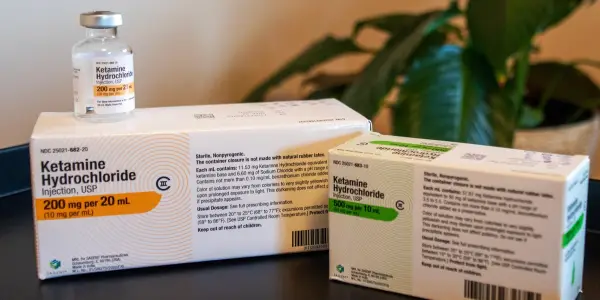
Ketamine, traditionally known for its use as an anesthetic and recreational drug, is increasingly being integrated with psychotherapy to address severe depression and post-traumatic stress disorder among first responders.
In-depth analysis
Recent discoveries
Recent studies indicate that ketamine, traditionally used as an anesthetic, shows promise as a treatment for depression and PTSD among first responders. This innovative approach combines ketamine with psychotherapy, allowing individuals to process traumatic experiences in a controlled environment. The FDA's approval of esketamine for treatment-resistant depression has further spurred interest in this therapeutic avenue.
Implications for public health
The rising rates of depression and suicide among first responders underscore the urgent need for effective mental health interventions. Ketamine-assisted psychotherapy presents a potential solution, addressing a critical gap in mental health care for those exposed to high levels of trauma.
Who is affected
First responders, including police officers, firefighters, and military personnel, are significantly impacted by mental health challenges due to their exposure to traumatic incidents. With studies showing that police officers alone encounter an average of 188 critical incidents throughout their careers, the psychological toll is profound and widespread.
Potential future studies
Future research could explore the long-term effects of ketamine-assisted psychotherapy on first responders, examining its efficacy compared to traditional therapeutic methods. Additionally, studies could assess the impact of regulatory frameworks on the safe and effective use of ketamine in clinical settings.
Did you know?
How this affects your health
For first responders, mental health is critical, yet often neglected due to societal stigma. Ketamine-assisted therapy offers a new pathway, potentially reducing the debilitating effects of PTSD and depression. By fostering emotional release, this approach can empower individuals to confront and heal from traumatic experiences, ultimately enhancing their overall well-being and resilience in high-stress roles.
The scientific surprise
The rapid acceptance of ketamine for treating mental health issues challenges traditional notions of psychiatric care. Its ability to provide almost immediate relief from depressive symptoms contrasts sharply with the slower effects of conventional antidepressants, prompting a reevaluation of treatment protocols and highlighting the need for more research into its long-term efficacy and safety.
The doctor and the patient: a personal story
Marcus, 34, from Chicago, served as a firefighter for over a decade, witnessing life-and-death situations that left him feeling numb. After struggling with depression for years, he discovered ketamine-assisted therapy. During his first session, he felt a profound shift; memories of a tragic rescue mission resurfaced, but instead of despair, he found clarity. For the first time, he could process his feelings without being overwhelmed. Marcus now advocates for mental health awareness among first responders, sharing his story to inspire others to seek help.
Expert Commentary

Emerging H3N2 Variant Raises Concerns for Winter...

Chinese Doctors Report Successful 171-Day Pig...

Study Reveals Hidden Risks of Phthalates in...

Potential of mRNA Technology in Medicine Faces...

Research Reveals How Ozempic Affects Alcohol...

Prisma Health Implements Temporary Restrictions...

Understanding Freshers' Flu: The Challenge for...

Engaging in Creative Activities Linked to Younger...

Misdiagnosed Fatigue Leads to Late Diagnosis of...

Understanding Muscle Growth: A Comprehensive Guide
New Study Reveals Vitamin D2 Supplements May...

Pelvic Girdle Pain: The Hidden Challenge for One...

Concerns Grow in the U.S. as H3N2 Flu Strain...

Addressing the Testosterone Decline in Men: 15...

Identifying Unconditional Love in Relationships:...

Microscopic Chips Utilize Immune Cells to Target...

Remembering Nicole Lynn Allenbaugh: A Life of...

Study Reveals Parallel Evolution of Psilocybin...
Exploring Ketamine's Potential for First...

Promising Research Offers Hope for Osteoporosis...

UK Man Hospitalized After Consuming Excessive...
New Imaging Technique Unveils Brain's Pulsatile...

Insights on End-of-Life Care from Palliative...

Study Links Blood Caffeine Levels to Body Fat and...

Chronic Fatigue as an Early Indicator of Heart...

Building Muscle After 60: A Practical Guide

Impact of REM Sleep on Memory Consolidation...

Navigating Co-Parenting Challenges with AI...

Maine Faces Growing HIV Outbreak: Health...
New Study Challenges Effectiveness of Lecanemab...
Innovative Approach to Childhood OCD Launched by...

Florida Doctor's Office Linked to Hepatitis C...

Rising Lung Cancer Cases Among Non-Smokers...

Davis County Reports First Measles Case Amid...

The Unique Characteristics of the Sargasso Sea:...

Innovative 'Superfood' Supplement Aims to Bolster...

Pfizer's mRNA Flu Vaccine Shows Superiority Over...

NHS Green Social Prescribing: A Path to Mental...
Confirmed Tuberculosis Case Emerges at Aegis...
UK Launches Largest Prostate Cancer Screening...