Experimental Brain Stimulation Offers Hope to Patient After Decades of Depression
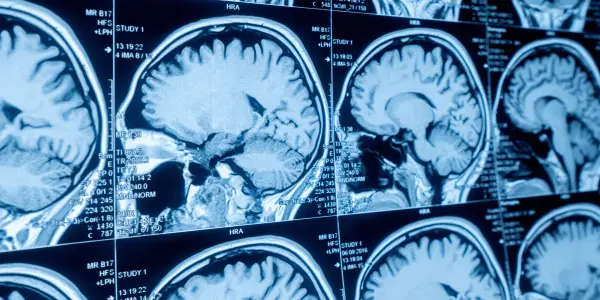
A new experimental treatment called Personalized Adaptive Cortical Electro-stimulation offers hope to patients with treatment-resistant depression after deca...
In-depth analysis
Recent discoveries
The experimental treatment known as Personalized Adaptive Cortical Electro-stimulation (PACE) has shown promising results for treatment-resistant depression (TRD). A recent study highlights a patient who, after years of failed interventions, experienced significant mood improvements and emotional breakthroughs through this innovative, personalized approach to brain stimulation.
Implications for public health
The success of PACE suggests a potential shift in how TRD is treated, offering hope to a significant portion of the population that currently lacks effective options. This advancement could lead to improved mental health outcomes and reduced healthcare costs associated with chronic depression.
Who is affected
Individuals suffering from treatment-resistant depression, particularly those who have undergone multiple unsuccessful therapies, stand to benefit from PACE. This group, often comprising long-term patients, includes those who have faced severe emotional distress and debilitating symptoms for years.
Potential future studies
Further research is needed to explore the broader applications of PACE across diverse patient populations. Future studies could investigate its long-term efficacy and safety, as well as the potential for adapting the technique for other mental health disorders.
Did you know?
How this affects your health
For those living with treatment-resistant depression (TRD), the advent of Personalized Adaptive Cortical Electro-stimulation (PACE) offers a potential lifeline. As traditional medications often fail, innovations like PACE not only target specific brain activity but also address the unique neural patterns of individuals. This could change how mental health is approached, emphasizing the importance of personalized care and potentially improving overall quality of life for many.
The scientific surprise
The study's revelation about the unusually large salience network in the patient’s brain is a game-changer. It suggests that the neural architecture of individuals with TRD may differ significantly from those without. This finding not only deepens the understanding of depression's biological underpinnings but also opens new avenues for targeted therapies that could more effectively address these unique brain structures.
The doctor and the patient: a personal story
Marcus, 34, from Chicago, had battled depression since childhood, feeling trapped in a fog that no medication seemed to lift. After 31 years of enduring despair, he was among the first to try PACE. When the electrodes activated his default mode network, he felt a rush of joy that he hadn’t experienced in decades. 'It was surreal,' he recalled, tears streaming down his face. For the first time, Marcus felt hope, as if a weight had been lifted. This moment transformed his outlook, igniting a desire to reconnect with the world and pursue the life he had long thought impossible.
Expert Commentary

Exploring Ketamine's Potential for First...

Struggling with a Rare Disease, 25-Year-Old Woman...
New Research Identifies Brain Protein as...

COVID-19 Resurgence: Current Trends and Symptoms...

Rising Lung Cancer Cases Among Non-Smokers...

Concerns Rise as ACIP Meeting Set to Revisit...

UK Launches Largest Prostate Cancer Screening...
Measles Outbreak in Buncombe County Linked to...

Dietary RNA Molecules Show Promise in Promoting...

Study Reveals Hidden Risks of Phthalates in...
Study Links GLP-1 Medications Such as Ozempic to...

New Experimental Drug Shows Potential in...

Identifying Unconditional Love in Relationships:...

The Items Women Turn to When Facing Emotional...
Understanding Statins: Essential Information for...

New Research Links Mediterranean and Plant-Based...

UK Man Hospitalized After Consuming Excessive...

Pfizer's mRNA Flu Vaccine Shows Superiority Over...

Dietary Fiber: A Key Component in Managing...

Addressing the Testosterone Decline in Men: 15...

Chronic Fatigue as an Early Indicator of Heart...
Promising Research Offers Hope for Osteoporosis...

Impact of REM Sleep on Memory Consolidation...

Significant Number of CDC Vaccination Databases...
New Study Challenges Effectiveness of Lecanemab...

Insights on End-of-Life Care from Palliative...

Chronic Wasting Disease Resurfaces in Florida,...

Genetic Mutations in Sperm Increase with Age,...

Eight Unique Hobbies Psychologists Recommend for...

Study Reveals Parallel Evolution of Psilocybin...

Study Links Soybean Oil to Obesity, Raising...

Experts Warn of Potential Human Pandemic from...

How Your Dental Health Can Reflect Broader Health...

Prisma Health Implements Temporary Restrictions...

Davis County Reports First Measles Case Amid...

Study Links COVID-19 mRNA Vaccine to Extended...

Ethiopia Reports Three Fatalities from Marburg...

Remembering Nicole Lynn Allenbaugh: A Life of...
Breakthrough Study Reveals Microscopic...

Hawaii Officials Issue Warning Following...