Study Reveals Pancreas-Hippocampus Connection Linked to Bipolar Mood Swings
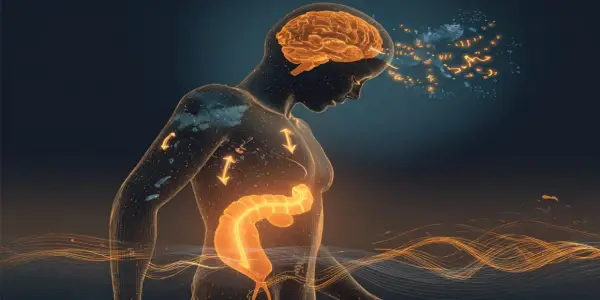
Recent research identifies a feedback loop between the pancreas and hippocampus, potentially explaining mood fluctuations in individuals with bipolar disorder.
In-depth analysis
Recent discoveries
A recent study has established a significant link between the pancreas and the hippocampus, revealing how this relationship may influence mood fluctuations in bipolar disorder. Researchers found that reduced insulin secretion, associated with the RORβ gene, plays a crucial role in this connection, indicating a complex interplay between metabolic and neurological functions.
Implications for public health
These findings could reshape public health strategies by highlighting the interconnectedness of metabolic health and mood disorders, suggesting that addressing insulin regulation may improve mental health outcomes for those affected.
Who is affected
Individuals diagnosed with bipolar disorder are directly impacted by these findings, as the research uncovers underlying biological mechanisms that may contribute to their condition. Additionally, the implications may extend to others experiencing mood disorders, such as major depressive disorder.
Potential future studies
Future research should focus on validating the pancreas-hippocampus feedback mechanism in human participants. Investigating the effects of insulin regulation interventions on mood could lead to novel therapeutic strategies.
Did you know?
How this affects your health
Understanding the pancreas-hippocampus connection could reshape treatment strategies for bipolar disorder. As researchers uncover this link, individuals may benefit from more personalized approaches that consider both metabolic health and mood regulation. This insight encourages patients to adopt lifestyle adjustments, such as diet and exercise, which could potentially stabilize mood fluctuations through improved insulin sensitivity.
The scientific surprise
The discovery that RORβ influences not only pancreatic function but also mood regulation is a remarkable twist in bipolar disorder research. It challenges the traditional view of mood disorders as solely neurological, highlighting the need for a holistic perspective that considers metabolic pathways. This interdisciplinary approach may unlock new avenues for therapeutic interventions.
The doctor and the patient: a personal story
Marcus, 34, from Chicago, has battled bipolar disorder for over a decade. After struggling with debilitating mood swings, he found little relief from conventional treatments. Recently, during a consultation, his doctor introduced him to the findings about the pancreas and hippocampus connection. Intrigued, Marcus began exploring dietary changes and incorporating regular exercise into his routine. He was surprised to notice a shift in his mood stability, feeling more in control than ever before. The newfound knowledge empowered him to take charge of his health, bridging the gap between mind and body in a way he never thought possible.
Expert Commentary

Semaglutide Drugs Like Ozempic Reduce Intrusive...

Chronic Fatigue as an Early Indicator of Heart...

The Case for a National Leucovorin Registry to...

Emerging H3N2 Variant Raises Concerns for Winter...

Exploring Ketamine's Potential for First...

Concerns Rise as ACIP Meeting Set to Revisit...

Understanding Dry Mouth: Insights from Dental...

Understanding Delayed Autism Diagnoses: New...

Frequent Short Walks Outshine Long Morning...

New Experimental Drug Shows Potential in...

Study Links COVID-19 mRNA Vaccine to Extended...

Fit 31-Year-Old Shares Bowel Cancer Journey,...

CDC Revises Hepatitis B Vaccine Guidance for...

Navigating Co-Parenting Challenges with AI...

RFK Jr. Advocates for Enhanced Nutrition...
New Imaging Technique Unveils Brain's Pulsatile...

Breakthrough Study Reveals Microscopic...

Presidential Proclamation Marks National Breast...

NHS Green Social Prescribing: A Path to Mental...

UK Regulator Signals Major Overhaul for Rare...

Understanding Muscle Growth: A Comprehensive Guide

Potential of mRNA Technology in Medicine Faces...

UK Man Hospitalized After Consuming Excessive...

Rising H3N2 Flu Variant Sparks Concerns Among...

The Surge of Anti-Aging Supplements: Unpacking...

Chronic Wasting Disease Resurfaces in Florida,...

Addressing the Testosterone Decline in Men: 15...

Experts Warn of Potentially Severe Flu Season...
Understanding Statins: Essential Information for...

Identifying Unconditional Love in Relationships:...

CDC Grants $1 Million to Danish Researchers Amid...

Misdiagnosed Fatigue Leads to Late Diagnosis of...

Eight Unique Hobbies Psychologists Recommend for...

New Study Reveals Vitamin D2 Supplements May...

New Dietary Guidelines Highlight Kiwis and Rye...

Genetic Mutations in Sperm Increase with Age,...

New Research Links Mediterranean and Plant-Based...

Exploring Testosterone Enhancement: Natural...

Significant Number of CDC Vaccination Databases...

Study Links Grey Hair to Body's Defense Against...