Tracking a Deadly Brainworm Threatening Moose Populations Across the U.S.
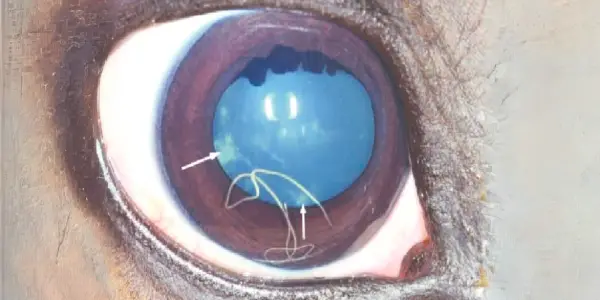
A deadly brainworm is threatening moose populations in the U.S., causing disorientation and severe neurological issues. Learn about its impact and management...
In-depth analysis
Recent discoveries
Recent research in Minnesota highlights the dangers posed by the brainworm parasite, Parelaphostrongylus tenuis, particularly its effects on moose populations. A new serological test developed by the University of Tennessee allows for the early detection of infections, enabling wildlife managers to monitor and manage the spread of this parasite more effectively.
Implications for public health
While P. tenuis primarily affects wildlife, its impact on ecosystems can indirectly influence public health by altering the dynamics of animal populations and the environments they inhabit.
Who is affected
Moose and other ungulates, such as elk and caribou, are particularly vulnerable to brainworm infections. Infected animals exhibit severe neurological symptoms, while white-tailed deer serve as asymptomatic carriers, complicating efforts to manage the spread of the parasite.
Potential future studies
Future research could focus on the ecological impacts of P. tenuis on various herbivore populations and explore additional diagnostic methods to enhance early detection and intervention strategies within affected wildlife communities.
Did you know?
How this affects your health
While the immediate health implications of brainworm are primarily ecological, the ripple effects can touch human health indirectly. As wildlife populations decline due to parasites like Parelaphostrongylus tenuis, the balance of local ecosystems shifts, which can lead to increased human-wildlife interactions and greater disease transmission risks. Understanding these dynamics is crucial for public health and conservation efforts.
The scientific surprise
The development of a serological test for detecting brainworm in live animals represents a significant breakthrough in wildlife health monitoring. This advancement not only enhances our understanding of parasite transmission but also opens doors for proactive management strategies. Scientists are increasingly realizing that early detection can fundamentally change the landscape of wildlife conservation.
The doctor and the patient: a personal story
Marcus, 34, from Chicago, had always felt a deep connection to nature, spending weekends hiking in local forests. One day, he encountered a moose that seemed lost and disoriented, an image that haunted him. Later, he learned about the brainworm affecting these majestic creatures. It struck him that the health of wildlife directly impacts his cherished outdoor experiences. Now, Marcus volunteers with a conservation group, helping to raise awareness about this silent threat, feeling a sense of responsibility to protect the wildlife he loves.
Expert Commentary

Pelvic Girdle Pain: The Hidden Challenge for One...

Study Links GLP-1 Medications Such as Ozempic to...

Three Foods Linked to Enhanced Heart Health and...

Presidential Proclamation Marks National Breast...

Timing of Cancer Treatments May Influence Patient...

Eight Unique Hobbies Psychologists Recommend for...
Transformed Puppy Overcomes Severe Skin Condition...

Wilson Middle School Temporarily Shuts Down Due...

Addressing the Testosterone Decline in Men: 15...

Innovative Approach to Childhood OCD Launched by...

UK Regulator Signals Major Overhaul for Rare...

Understanding Dry Mouth: Insights from Dental...
Breakthrough Study Reveals Microscopic...

The Unique Characteristics of the Sargasso Sea:...
Experimental Brain Stimulation Offers Hope to...

New Study Reveals Vitamin D2 Supplements May...
Experts Warn of Potential Human Pandemic from...

New Experimental Drug Shows Potential in...

Engaging in Creative Activities Linked to Younger...

How Your Dental Health Can Reflect Broader Health...

Davis County Reports First Measles Case Amid...

Microplastics Linked to Atherosclerosis in Male...
Hawaii Officials Issue Warning Following...

Concerns Grow in the U.S. as H3N2 Flu Strain...

MIT Research Uncovers Cysteine's Role in Gut...

Pet Vaccination Skepticism Rises Amid Growing...

Study Reveals Hidden Risks of Phthalates in...

Understanding Statins: Essential Information for...
Measles Outbreak in Buncombe County Linked to...

Maine Faces Growing HIV Outbreak: Health...

Fiji Faces Alarming Surge in HIV Cases Linked to...
Microscopic Chips Utilize Immune Cells to Target...

Study Links Grey Hair to Body's Defense Against...

New Research Suggests Increased Melanoma Risk...

Emerging H3N2 Variant Raises Concerns for Winter...
New Imaging Technique Unveils Brain's Pulsatile...

Remembering Nicole Lynn Allenbaugh: A Life of...

Misdiagnosed Fatigue Leads to Late Diagnosis of...

Experts Warn of Potentially Severe Flu Season...

Potential of mRNA Technology in Medicine Faces...