Breakthrough in Cancer Vaccine Research Shows Promise Against Resistant Tumors in Mice
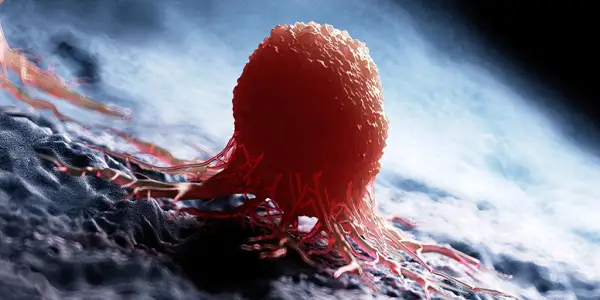
Researchers at the University of Florida have made significant strides towards developing a universal cancer vaccine that could potentially target a wide range of tumors, including those resistant to existing treatments.
In-depth analysis
Recent discoveries
Researchers at the University of Florida have made significant strides in developing a universal cancer vaccine that targets a wide range of tumors, including those resistant to conventional therapies. This innovative vaccine employs mRNA technology to enhance the immune system's ability to recognize and attack cancerous cells, marking a pivotal advancement in cancer immunotherapy.
Implications for public health
The development of a universal cancer vaccine could dramatically alter treatment paradigms, potentially offering a more effective and accessible option for patients worldwide. This could lead to improved survival rates and reduced healthcare costs associated with cancer treatment.
Who is affected
Patients facing various types of cancer, especially those with tumors that resist traditional therapies, stand to benefit significantly from this research. Additionally, healthcare providers and policymakers may need to adapt to new treatment protocols resulting from these advancements.
Potential future studies
Future research will focus on conducting clinical trials to assess the safety and efficacy of the combined mRNA vaccine and immune checkpoint inhibitors in humans. These studies aim to refine the vaccine's formulation and explore its application across diverse cancer types.
Did you know?
How this affects your health
The development of a universal cancer vaccine could be transformative for patients facing a multitude of cancer types. By harnessing the body’s immune system in a more comprehensive way, this approach promises not only to improve treatment outcomes but also to reduce reliance on traditional therapies, which often come with harsh side effects. For patients, this could mean fewer invasive procedures and a better quality of life during treatment.
The scientific surprise
The integration of mRNA technology with immune checkpoint inhibitors marks a significant turning point in cancer research. This dual strategy, previously unexplored in the context of universal vaccines, suggests that our understanding of immune response can be dramatically shifted. The ability to activate dormant immune cells opens new avenues for tackling tumors that were once considered untouchable.
The doctor and the patient: a personal story
Marcus, 34, from Chicago, was diagnosed with melanoma that had spread to his lymph nodes. After exhausting traditional treatments, he felt hopeless. Then, his oncologist mentioned a clinical trial for a new vaccine combining mRNA technology with immune checkpoint inhibitors. Skeptical but desperate, Marcus enrolled. Months later, he experienced a remarkable turnaround; his tumors shrank significantly. Now, he speaks passionately about the hope this research brings, not just for him, but for countless others facing similar battles.
Expert Commentary

Exploring Ketamine's Potential for First...

Navigating Co-Parenting Challenges with AI...

Presidential Proclamation Marks National Breast...

New Government Initiative Aims to Map Human...

Exploring Testosterone Enhancement: Natural...

Chronic Fatigue as an Early Indicator of Heart...

Chronic Wasting Disease Resurfaces in Florida,...
New Research Identifies Brain Protein as...

Understanding Delayed Autism Diagnoses: New...

Experts Warn Against Potential Split of MMR...
Measles Outbreak in Buncombe County Linked to...

UK Regulator Signals Major Overhaul for Rare...

UK Launches Largest Prostate Cancer Screening...

Significant Number of CDC Vaccination Databases...

Reevaluating Creatine Dosage: New Insights...

Florida Doctor's Office Linked to Hepatitis C...
New Imaging Technique Unveils Brain's Pulsatile...

Experimental Brain Stimulation Offers Hope to...

Measles Outbreak in South Carolina Leads to...

Addressing the Testosterone Decline in Men: 15...

Concerns Grow in the U.S. as H3N2 Flu Strain...

Identifying Unconditional Love in Relationships:...
Rising H3N2 Flu Variant Sparks Concerns Among...

Pelvic Girdle Pain: The Hidden Challenge for One...

How Your Dental Health Can Reflect Broader Health...

Davis County Reports First Measles Case Amid...

Study Links GLP-1 Medications Such as Ozempic to...

Confirmed Tuberculosis Case Emerges at Aegis...

Understanding Muscle Growth: A Comprehensive Guide

Remembering Nicole Lynn Allenbaugh: A Life of...

Timing of Cancer Treatments May Influence Patient...

Experts Warn of Potential Human Pandemic from...

Maine Faces Growing HIV Outbreak: Health...

New Study Reveals Vitamin D2 Supplements May...

Breakthrough Study Reveals Potential Pathway to...

New Study on Hormonal Contraceptives and Breast...
New Study Challenges Effectiveness of Lecanemab...

Chinese Doctors Report Successful 171-Day Pig...

Study Links COVID-19 mRNA Vaccine to Extended...

Insights on End-of-Life Care from Palliative...