Trump Considers Tariff Relief for U.S. Automakers as Ford and GM Stocks Surge
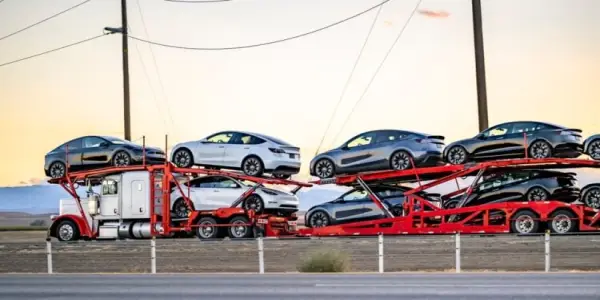
U.S. President Donald Trump's potential tariff relief plan aims to incentivize domestic car manufacturing, leading to a rise in stocks for major automakers.
In-depth analysis
Market overview
The U.S. automotive market is currently experiencing a pivotal moment as President Trump's administration considers a strategy aimed at reducing manufacturing costs. This initiative could provide significant tariff relief for major manufacturers, contingent on their commitment to domestic production. The proposal reflects ongoing efforts to revitalize American manufacturing and bolster job retention in the sector.
Key business trends
Automakers are increasingly focusing on domestic production as a response to potential tariff relief. This trend is driven by financial incentives that could lower operational costs and enhance profitability for companies like Ford and General Motors.
Impact on companies
The proposed tariff relief could substantially affect major automotive manufacturers by reducing their production costs. Companies with significant U.S. assembly operations stand to benefit greatly, potentially improving their financial outlook and competitiveness in the market.
Future projections
If implemented, the tariff relief plan may encourage a shift in production strategies within the automotive sector, fostering increased domestic manufacturing. This could lead to a more resilient industry landscape, although uncertainties regarding steel and aluminum tariffs remain.
Did you know?
What this means for your wallet
If the proposed tariff relief takes effect, consumers could see a decrease in vehicle prices as automakers pass on the savings from reduced tariffs. This could alleviate some financial pressure for buyers already facing rising costs due to inflation. However, the long-term impact will depend on how manufacturers adjust their pricing strategies and whether they genuinely commit to domestic production.
What analysts aren't telling you
While many analysts focus on the potential savings from tariff relief, they often overlook that nearly 70% of the cost of a vehicle comes from parts and materials, not just labor. This means the overall impact on pricing may be more complex than anticipated, especially if steel and aluminum tariffs remain unchanged.
One person's journey
Marcus, 34, from Chicago, has always dreamed of owning an American-made truck. After years of saving, he was excited to finally purchase a Ford F-150. However, rising tariffs and prices forced him to reconsider his budget. With the news of potential tariff relief, Marcus feels a renewed sense of hope. He envisions finally driving his dream truck, knowing it supports local jobs. This proposal could turn his aspiration into a reality, making him feel connected to a larger movement of revitalizing American manufacturing.
Expert Commentary
Amazon Thwarts 1,800 Job Applications Linked to...

Extended Cyber Monday Offers Still Available: Top...

Hack of Real-Estate Data Firm Sparks Urgent...
Wendy's to Shut Down Hundreds of U.S. Locations...

The Remarkable Rise of Leopold Aschenbrenner:...

CFPB Plans Workforce Furloughs and Case Transfers...

Hollywood Heavyweights Urge Congress to Block...

USPS Chief Advocates for Revenue Growth Amid...
Trump Considers Tariff Relief for U.S. Automakers...

Chase Named New Issuer for Apple Card

AMD, Cisco, and HUMAIN Launch Joint Venture to...
Federal Reserve's December Interest Rate Decision...

Trump's Executive Order Targets Proxy Advisory...

BHP Revives Acquisition Interest in Anglo...
Hartsfield-Jackson Atlanta International Airport...
Ontario Premier Calls for Economic Retaliation...

Federal Employees Share Shutdown Experiences on...

Zipcar to Cease UK Operations Amid Operational...

Bitcoin's Energy Consumption: Analyzing...

Google Introduces Gemini 3 AI Model and...

Verizon Announces Major Workforce Reductions,...

Starbucks Stock Rises Amid Calls for Boycott by...

Campbell's Dismisses Executive Following...
Michael Dell Highlights Key Aspects of Elon...

Roblox Enhances Child Safety by Blocking Adult...

Target Kicks Off Black Friday 2025 Sales with...
Lutnick Brothers Capitalize on Data Center Boom...
Walmart Emerges as Key Player in Addressing...

The Implications of the US Phasing Out the Penny

Amazon's Partnership with OpenAI Boosts Jeff...
Westinghouse Announces Ambitious Nuclear Reactor...

Delay in TikTok Sale Leaves US Investors Uncertain

Analyst Optimism Grows as Tesla Surpasses Q3...

Trump Urges Google to Restore Univision on...

F5 Networks Breach Poses Significant Risk to...

UK Introduces Pay-Per-Mile Tax for Electric...

Gas Prices in D.C. Remain Among Highest...
Tesla Faces Declining Sales in China Amidst...

Sonder Faces Backlash as Guests Evicted Amid...

Japan Raises Interest Rates to Highest Point...