Study Reveals Dietary Link to Reduced Dementia Risk
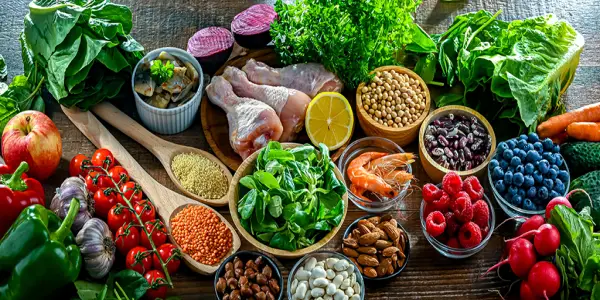
A new study links the MIND diet to a lower risk of dementia, highlighting its benefits for hippocampal health and cognitive function. Discover the findings now.
In-depth analysis
Recent discoveries
Recent findings from Rush University Medical Center indicate that adherence to the MIND diet may offer protective benefits against hippocampal sclerosis, a condition linked to memory loss. Postmortem analyses revealed that individuals closely following this dietary pattern showed a reduced risk of developing neuron loss in the hippocampus, a key area for cognitive function.
Implications for public health
These findings underscore the importance of dietary choices in potentially reducing the risk of dementia and promoting brain health, highlighting the need for public health initiatives that encourage healthy eating patterns.
Who is affected
Individuals at risk of cognitive decline, particularly the elderly population, may benefit from the MIND diet. As dementia increasingly affects aging communities, understanding dietary impacts on brain health becomes crucial for those concerned about neurodegenerative diseases.
Potential future studies
Future research may investigate the specific dietary components of the MIND diet and their direct effects on neuroinflammatory markers, aiming to deepen understanding of how nutrition influences cognitive health and dementia risk.
Did you know?
How this affects your health
Adopting the MIND diet may offer more than just cognitive benefits; it can enhance overall well-being. By prioritizing whole foods and minimizing processed options, individuals may experience improved energy levels and better physical health. These dietary changes not only support brain function but can also lead to healthier body weight and reduced inflammation, creating a holistic approach to wellness.
The scientific surprise
While previous studies linked diet to cognitive health, this research dives deeper, pinpointing the MIND diet's specific effects on hippocampal health. The findings challenge assumptions about dietary influence, suggesting that what we eat can directly affect brain structure and function, opening doors for more targeted nutritional interventions in dementia prevention.
The doctor and the patient: a personal story
Marcus, 34, from Chicago, never thought much about his diet until his grandmother's battle with dementia made him reflect on his own health. After discussing the MIND diet with his doctor, he decided to make a change. Swapping out processed snacks for nuts and berries, and incorporating fish into his meals, Marcus felt a shift—not just in energy, but in his mood. One evening, while preparing a colorful vegetable stir-fry, he realized he was not just cooking; he was investing in his future. The connection to his grandmother's struggles motivated him to stay committed, hoping to protect his brain health while honoring her memory.
Expert Commentary
Harvard Study Uncovers Gut Molecules That May...

Innovative 'Superfood' Supplement Aims to Bolster...

RFK Jr. Advocates for Enhanced Nutrition...

Understanding Dry Mouth: Insights from Dental...
Research Breakthrough: Peptide Prevents Toxic...
New Dietary Guidelines Highlight Kiwis and Rye...

New Government Initiative Aims to Map Human...

Wilson Middle School Temporarily Shuts Down Due...
Understanding Statins: Essential Information for...

Remembering Nicole Lynn Allenbaugh: A Life of...
Reevaluating Alzheimer's: New Insights Suggest...

Impact of REM Sleep on Memory Consolidation...

The Unique Characteristics of the Sargasso Sea:...

Reevaluating Creatine Dosage: New Insights...

Exploring Testosterone Enhancement: Natural...

Eight Unique Hobbies Psychologists Recommend for...

Presidential Proclamation Marks National Breast...

Fit 31-Year-Old Shares Bowel Cancer Journey,...

Timing of Cancer Treatments May Influence Patient...

How Your Dental Health Can Reflect Broader Health...

Study Reveals Hidden Risks of Phthalates in...

Identifying Unconditional Love in Relationships:...

Semaglutide Drugs Like Ozempic Reduce Intrusive...

Promising Research Offers Hope for Osteoporosis...

Significant Number of CDC Vaccination Databases...
Four Everyday Beverages to Support Arterial...

Study Links COVID-19 mRNA Vaccine to Extended...

Engaging in Creative Activities Linked to Younger...

Fiji Faces Alarming Surge in HIV Cases Linked to...

Understanding Freshers' Flu: The Challenge for...

New Experimental Drug Shows Potential in...

Emerging H3N2 Variant Raises Concerns for Winter...

Confirmed Tuberculosis Case Emerges at Aegis...

Experts Warn of Potentially Severe Flu Season...

Study Reveals Parallel Evolution of Psilocybin...
Escalating Threat of Antimicrobial Resistance:...

UK Man Hospitalized After Consuming Excessive...

Experts Warn of Potential Human Pandemic from...

COVID-19 Resurgence: Current Trends and Symptoms...
MIT Research Uncovers Cysteine's Role in Gut...