Reevaluating Alzheimer's: New Insights Suggest Immune System Role
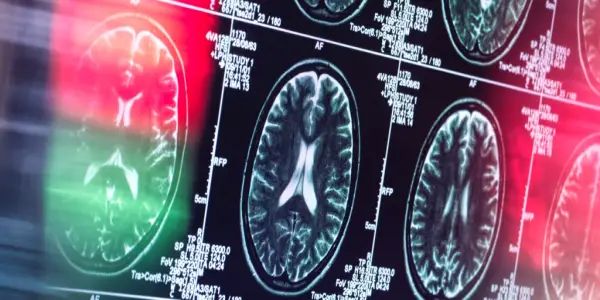
Recent discussions in the scientific community indicate a potential shift in understanding Alzheimer's disease, focusing on immune system involvement rather than solely on brain pathology.
In-depth analysis
Recent discoveries
Recent studies are reshaping the understanding of Alzheimer's disease, suggesting it may be an autoimmune disorder rather than solely a neurodegenerative condition driven by beta-amyloid plaques. Research from the Krembil Brain Institute indicates that beta-amyloid could serve a protective role in the brain's immune response, challenging conventional theories and opening new avenues for treatment.
Implications for public health
The redefined understanding of Alzheimer's disease carries significant public health implications, as traditional treatment approaches may be inadequate. This shift emphasizes the need for tailored therapies that consider the brain's unique immunological landscape to effectively address the rising prevalence of the disease.
Who is affected
Currently, over 55 million individuals globally are living with Alzheimer's disease, with projections indicating a steep increase in cases. This growing population encompasses not only patients but also families and caregivers who face emotional and financial burdens associated with the disease's progression and care.
Potential future studies
Future research could explore the implications of mitochondrial dysfunction and bacterial infections in Alzheimer's disease. Investigating these areas may yield new insights and therapeutic strategies, enhancing the understanding of this complex condition and improving patient outcomes.
Did you know?
How this affects your health
The evolving understanding of Alzheimer's disease could reshape patient care and prevention strategies. If Alzheimer's is confirmed as an autoimmune condition, it may open new pathways for treatments that focus on immune system modulation rather than solely targeting beta-amyloid. This shift could lead to earlier interventions and personalized therapies, ultimately improving quality of life for millions affected by the disease.
The scientific surprise
The idea that beta-amyloid might serve a protective role rather than merely being a villain in Alzheimer's progression is a game-changer. This perspective not only challenges decades of research but also invites novel therapeutic approaches that could redefine how we think about brain health and disease management, sparking fresh dialogue in the scientific community.
The doctor and the patient: a personal story
Marcus, 34, from Chicago, felt lost when his mother was diagnosed with Alzheimer's. Watching her struggle with memory loss was heartbreaking, but a recent conversation with her neurologist opened new doors of hope. The doctor mentioned emerging research suggesting that the disease might be autoimmune. This revelation sparked a flicker of optimism in Marcus, who began researching ways to support his mother’s immune health. He now advocates for a proactive approach to Alzheimer's, emphasizing the importance of understanding the disease's evolving nature. His journey reflects a powerful intersection of personal experience and scientific discovery, reminding families that hope can stem from new understandings.
Expert Commentary

Timing of Cancer Treatments May Influence Patient...

Daily Walking Linked to Reduced Alzheimer’s Risk,...

Neural Biomarkers of Food Cravings Impacted by...

Microscopic Chips Utilize Immune Cells to Target...

The Challenge of Accessing Levodopa: A...

Ethiopia Reports Three Fatalities from Marburg...

New Research Suggests Increased Melanoma Risk...

Recent Study Raises Concerns About Fruits and...

Evaluating Sweeteners: A Nutritionist's Insight...

Potential Risks of Apple Cider Vinegar: Experts...

Understanding Food Spoilage: The Risks of Moldy...
Gene Editing and Cholesterol: A Potential...

New Experimental Drug Shows Potential in...

Experts Warn of Potential Human Pandemic from...

Navigating Co-Parenting Challenges with AI...

Mother's Struggles Highlight Iron Deficiency...

New Research Challenges Assumptions About...

Maine Faces Urgent HIV Crisis as Federal...

Pfizer's mRNA Flu Vaccine Shows Superiority Over...

Prisma Health Implements Temporary Restrictions...

The Impact of Gut Health on Menopause Symptoms:...

Three Foods Linked to Enhanced Heart Health and...
Alzheimer's Disease May Originate from...

Rising Lung Cancer Cases Among Non-Smokers...

New Study Questions Efficacy of Omega-3...

Wilson Middle School Temporarily Shuts Down Due...

Engaging in Creative Activities Linked to Younger...

The Unique Characteristics of the Sargasso Sea:...
Rising H3N2 Flu Variant Sparks Concerns Among...

Pelvic Girdle Pain: The Hidden Challenge for One...


Post-Pandemic Trends: Low Rates of STDs and Flu...
Harvard Study Uncovers Gut Molecules That May...

The Surge of Weight-Loss Medications in India: A...

Long-Term Melatonin Use Linked to Increased Heart...

Understanding the Recurrence of Urinary Tract...

Concerns Grow in the U.S. as H3N2 Flu Strain...

Breakthrough Study Reveals Microscopic...

Tennessee Investigates Histoplasmosis Cluster...

Emerging H3N2 Variant Raises Concerns for Winter...